Uttarakhand CMO Highlights Champawat Infrastructure Push
Synopsis
The Uttarakhand Chief Minister's Office on 22 October 2026 reaffirmed that infrastructure in the state, spotlighting Champawat district in the Kumaon region, is being continuously strengthened — underlining the state's sustained push to improve connectivity in remote Himalayan districts.
Key Takeaways
The Uttarakhand CMO posted on 22 October 2026 stating infrastructure across the state is being 'continuously strengthened.' Champawat district in the Kumaon region was specifically tagged, highlighting its centrality to the state's connectivity drive.
Champawat's hilly terrain has historically posed serious challenges to road and bridge connectivity for local communities.
The government's framing emphasises ongoing commitment rather than a single project milestone.
No specific project, budget figure, or timeline was disclosed in the post.
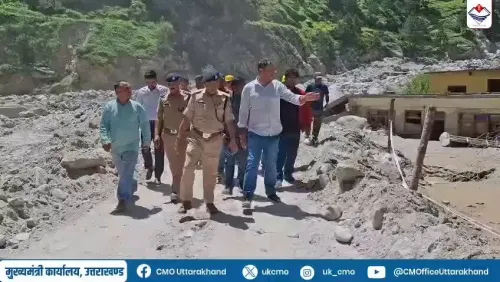
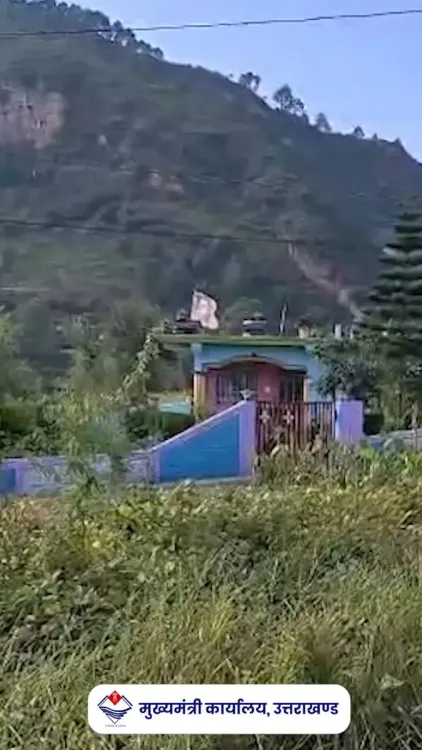
In the rugged hill districts of Uttarakhand, where geography has long been the hardest opponent, the state government is signalling a sustained infrastructure offensive. The Chief Minister's Office of Uttarakhand posted on Thursday, 22 October 2026, affirming that foundational infrastructure across the state — with a specific spotlight on Champawat — is being continuously strengthened.
The post, in Hindi, declared: 'Uttarakhand mein aadharabhoot dhanche ko nirantar kiya ja raha hai majboot' ('Infrastructure in Uttarakhand is being continuously strengthened'), tagging Champawat and Uttarakhand directly.
Champawat's Connectivity Challenge
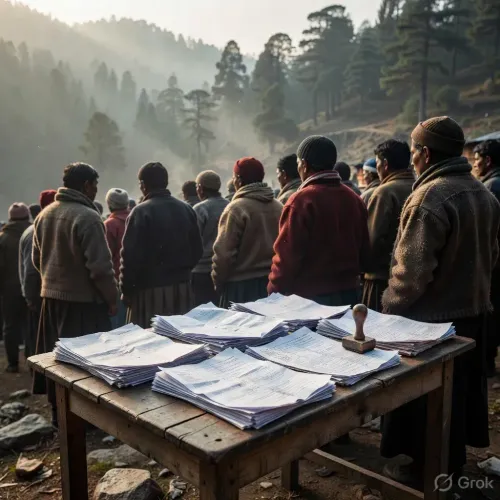
Champawat district, nestled in the Kumaon region of Uttarakhand, sits at the intersection of hilly terrain and geographic isolation — a combination that has historically kept its communities cut off from economic opportunity and emergency services alike. Roads, bridges, and basic connectivity upgrades are not amenities here; they are lifelines.
State governments in Uttarakhand have, over successive administrations, prioritised infrastructure in remote hill districts precisely because the terrain penalty is so steep. A washed-out bridge or a broken hill road can mean a village loses access to markets, schools, and hospitals for days.
Infrastructure as the State's Core Pitch
The CMO's framing — 'continuously strengthened' — positions infrastructure investment as an ongoing commitment rather than a one-off announcement. Uttarakhand's push in this space typically rides on a mix of state budget allocations and central schemes targeting Himalayan connectivity, though the post itself names no specific project, timeline, or funding figure.
The broader pattern is well established: hill-state governments in India have increasingly used infrastructure progress as both a development tool and a political signal, linking road and bridge work to tourism growth, local employment, and the aspirations of young residents who would otherwise migrate to the plains.
Point of View
Where hill connectivity is both a developmental imperative and a recurring electoral theme, such affirmations serve to reassure residents of remote districts that they are not forgotten between election cycles. The real test, as always, will be whether specific allocations and on-ground completions follow the rhetoric.
NationPress
22 Oct 2026
Frequently Asked Questions
What infrastructure work is happening in Champawat, Uttarakhand?
The Uttarakhand government is undertaking ongoing infrastructure strengthening in Champawat district, focused on improving connectivity in this remote Kumaon hill district, though specific projects were not named in the CMO's 22 October 2026 announcement.
Where is Champawat district located?
Champawat is a district in the Kumaon region of Uttarakhand, India, characterised by challenging hilly terrain that makes road and bridge connectivity a persistent developmental challenge.
Why is infrastructure development important for Uttarakhand hill districts?
In Uttarakhand's remote hill districts, roads and bridges are essential lifelines — their absence can cut villages off from markets, hospitals, and schools. Infrastructure investment also supports local tourism and helps check outmigration to the plains.
What did the Uttarakhand CMO post on 22 October 2026?
The Uttarakhand Chief Minister's Office posted on X stating that foundational infrastructure in Uttarakhand is being continuously strengthened, specifically tagging Champawat district.
Which schemes fund infrastructure in Uttarakhand hill districts?
Infrastructure in Uttarakhand's hill districts is typically funded through a mix of state budget allocations and central government schemes targeting Himalayan connectivity, though no specific scheme was cited in this particular announcement.