Uttarakhand CMO: Concrete Steps for Char Dham Yatra 2026 Traffic
Synopsis
The Chief Minister's Office of Uttarakhand has announced that concrete traffic management arrangements are being put in place for the Char Dham Yatra 2026, with the Chamoli district stretch on the Badrinath route flagged as a particular focus area for pre-season planning and inter-departmental coordination.
Key Takeaways
Uttarakhand CMO flagged concrete traffic arrangements for Char Dham Yatra 2026 on 4 June 2026.
The post specifically highlighted Chamoli district, a congestion-prone stretch on the Badrinath route.
The Char Dham Yatra covers Yamunotri, Gangotri, Kedarnath and Badrinath shrines.
Planning sits alongside the Char Dham All Weather Road Project approved in 2016.
Pilgrims and local transporters are the principal stakeholders affected by the measures.
The Chief Minister's Office of Uttarakhand said on 4 June 2026 that the state administration is putting in place concrete arrangements to ensure smooth traffic management during the Char Dham Yatra, with a particular focus on the Chamoli district stretch of the pilgrimage route. The communication, accompanied by a video, signalled that pre-season planning for the 2026 yatra is already under way.
In its post, the CMO stated that 'चारधाम यात्रा के दौरान सुचारू यातायात व्यवस्था के लिए किए जा रहे हैं ठोस प्रबंध' ('concrete arrangements are being made for smooth traffic management during the Char Dham Yatra'). The message was tagged with #Chamoli, #Uttarakhand and #CharDhamYatra2026, indicating district-level focus on one of the most congestion-prone segments of the circuit.
Context
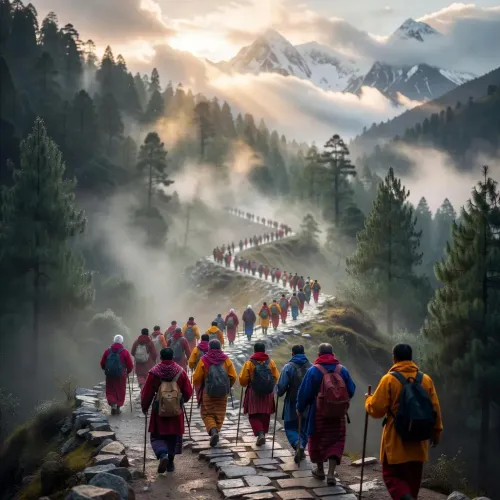
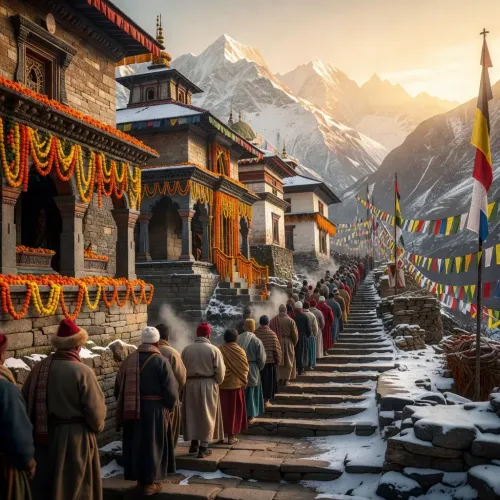
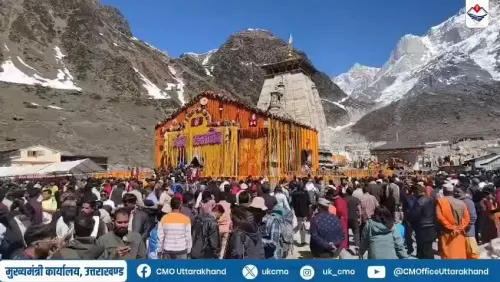
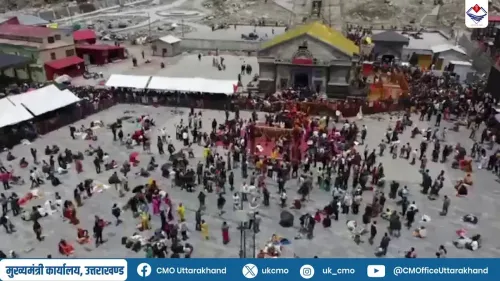
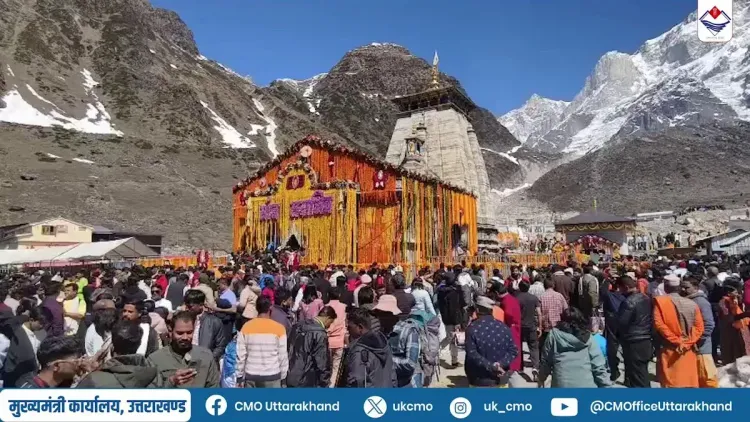
The Char Dham Yatra is an annual Hindu pilgrimage covering four high-altitude shrines in Uttarakhand — Yamunotri, Gangotri, Kedarnath and Badrinath. The circuit draws lakhs of devotees each season, placing significant strain on narrow Himalayan roads and small hill towns that serve as transit points.
Chamoli, which lies on the route to Badrinath, is among the districts most frequently affected by traffic bottlenecks, landslides and weather-induced closures during the yatra months. Advance traffic planning in this district is typically central to any season's overall logistics framework.
Policy backdrop
The state's traffic-management push sits alongside the long-running Char Dham All Weather Road Project, a central government initiative approved in 2016 to widen and all-weatherise the highways serving the four shrines. The project was conceived after earlier monsoon seasons repeatedly disrupted pilgrim movement and exposed the vulnerability of the existing road network.
Successive state administrations have paired these infrastructure upgrades with seasonal directives covering vehicle slotting, parking, registration of pilgrims and inter-departmental coordination. The latest message from the CMO fits within that established pattern of pre-season groundwork rather than an ad hoc response to a specific event.
Stakeholders and impact
The arrangements directly affect pilgrims, who depend on predictable travel windows to complete the multi-shrine circuit within a limited weather window, and local transporters, whose operations are governed by district-level vehicle-management orders. Hoteliers, dhaba operators and porters across Chamoli and adjoining districts are also tied to the smooth flow of yatra traffic.
For the state government, efficient traffic regulation is also a matter of safety. Long vehicle queues on single-lane mountain stretches have historically heightened the risk of accidents and complicated emergency response during landslides or sudden weather changes.
What's next
Attention will now turn to district-level traffic plans, inter-departmental coordination meetings and any revised Standard Operating Procedures issued before the 2026 yatra formally opens. The role of Chamoli district authorities, in coordination with the police and transport department, will be closely watched given the volume of Badrinath-bound traffic.
The CMO's early communication suggests the state intends to front-load planning rather than respond reactively once pilgrim numbers peak. How effectively these measures translate on the ground — particularly during monsoon-affected weeks — will shape the public perception of the 2026 yatra and the broader credibility of Uttarakhand's pilgrimage-management apparatus.
Point of View
Where the state seeks to signal preparedness well before pilgrim footfall peaks. By naming Chamoli specifically, the communication acknowledges that the Badrinath route remains the operational pinch point even as the all-weather road project advances. The political stake is significant: smooth yatra logistics have become a benchmark by which Uttarakhand governments are judged. The real test will lie in whether on-ground SOPs match the advance publicity.
NationPress
20 Oct 2026
Frequently Asked Questions
When does the Char Dham Yatra 2026 begin?
Exact opening dates for the Char Dham Yatra 2026 are set closer to the season by temple committees and the state government. The Uttarakhand CMO has already begun publicising pre-season traffic preparations, including district-level arrangements in Chamoli.
Why is Chamoli important for Char Dham Yatra traffic?
Chamoli lies on the route to the Badrinath shrine and is among the districts most frequently affected by traffic bottlenecks, landslides and weather-related closures during the yatra. Smooth movement through Chamoli is critical for the overall flow of pilgrims on the circuit.
What is the Char Dham All Weather Road Project?
It is a central government initiative approved in 2016 to widen and all-weatherise the highways connecting Yamunotri, Gangotri, Kedarnath and Badrinath. The project aims to provide year-round, safer access to the four Himalayan shrines.
Which shrines are part of the Char Dham Yatra in Uttarakhand?
The Char Dham Yatra in Uttarakhand covers four shrines: Yamunotri, Gangotri, Kedarnath and Badrinath. The annual circuit draws lakhs of devotees during the open season.
Who manages traffic during the Char Dham Yatra?
Traffic during the yatra is managed jointly by district administrations, the state police and the transport department, under directions from the state government. The Uttarakhand CMO coordinates overall logistics and public communication.