Uttarakhand Deploys 13 MRP Units, Heli Ambulances for Kedarnath Yatra
Synopsis
The Uttarakhand Chief Minister's Office announced on 20 June 2026 that 13 MRP units and an emergency helicopter ambulance have been deployed along the Kedarnath yatra route. The state says its preparations are ensuring pilgrims receive a smooth and safe darshan experience during Char Dham Yatra 2026.
Key Takeaways
The Uttarakhand CMO announced the deployment of 13 MRP units and an emergency heli ambulance on the Kedarnath yatra route on 20 June 2026 .
Kedarnath is a high-altitude shrine in Rudraprayag district , attracting lakhs of pilgrims each season as part of the Char Dham Yatra .
The state's emergency medical infrastructure on this route was first institutionalised after the 2013 Kedarnath floods .
The Char Dham Pariyojana , approved by the Union Cabinet in 2016 , has been building all-weather road access to all four shrines.
The state government's layered safety approach — combining ground medical posts with aerial evacuation — is intended to reduce fatalities from altitude, weather, and health emergencies.
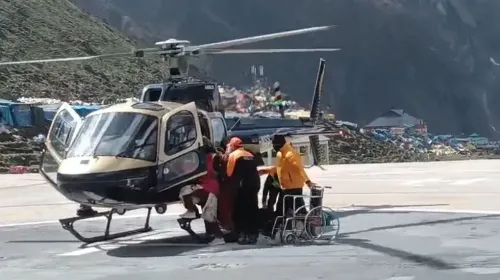
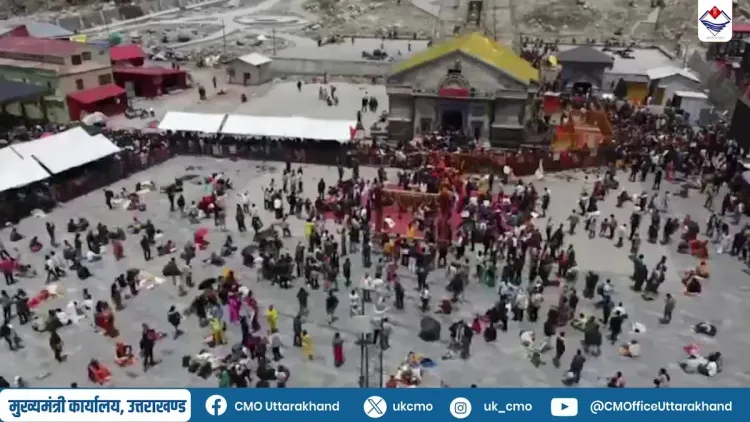
The Chief Minister's Office of Uttarakhand announced on Saturday, 20 June 2026 that the state government has deployed 13 MRP units and an emergency helicopter ambulance along the Kedarnath yatra route, underscoring its commitment to pilgrim safety during the ongoing Char Dham Yatra 2026 season. The announcement, made via the official CMO handle, stated that robust state arrangements are enabling devotees to undertake smooth and comfortable darshan at the high-altitude Shiva shrine.
Context
The post, written in Hindi, states: 'Kedarnath yatra mein shraddhaaluon ki suraksha sarvopari' ('Pilgrim safety is paramount on the Kedarnath yatra'), highlighting the deployment of 13 MRP units and an emergency heli ambulance. It adds that the state government's thorough preparations are helping devotees of Baba Kedarnath receive the fortune of a smooth and pleasant pilgrimage. The CMO also used the hashtags #Kedarnath, #Rudraprayag, #Uttarakhand, and #CharDhamYatra2026.
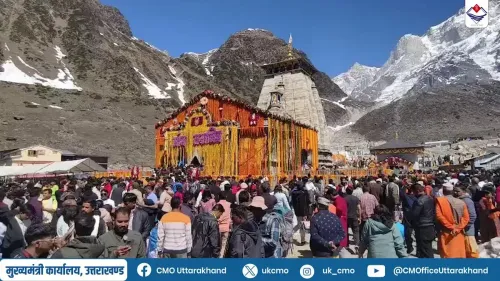
Kedarnath is one of the four shrines on the Char Dham circuit — alongside Badrinath, Gangotri, and Yamunotri — and is dedicated to Lord Shiva. Situated at a high altitude in the Rudraprayag district, the shrine draws hundreds of thousands of pilgrims each season via a demanding trek, making medical and rescue preparedness a critical governance priority.
Policy Backdrop
The deployment of dedicated emergency medical and rescue infrastructure along the Kedarnath route traces its origins to the catastrophic 2013 Kedarnath floods, after which the Uttarakhand government began institutionalising seasonal medical posts and helicopter evacuation capabilities along the route. The approach has been reinforced by successive state administrations, with each yatra season seeing incremental additions to the safety apparatus.
At the national level, the Char Dham Pariyojana, approved by the Union Cabinet in 2016, has been working to build all-weather road connectivity to all four shrines, reducing travel time and improving access for emergency vehicles. The combined effect of road upgrades and aerial evacuation options has been central to the state's risk-mitigation strategy for the pilgrimage circuit.
Stakeholders and Impact
The primary beneficiaries are the lakhs of pilgrims who undertake the Kedarnath yatra each season, many of whom are elderly or travel from low-altitude regions and are thus vulnerable to altitude sickness, cardiac events, and weather-related emergencies. The availability of an emergency heli ambulance provides a critical lifeline for cases requiring rapid evacuation to hospitals in Rudraprayag or beyond.
Local administration in Rudraprayag district — the key transit and logistics hub for the yatra — bears direct operational responsibility for coordinating these deployments. The state government's public communication around these measures also serves to build pilgrim confidence ahead of the peak summer season.
What's Next
Authorities and observers will watch for the official release of Char Dham Yatra 2026 footfall and safety statistics as the season progresses, which will offer a clearer picture of how effectively the current deployment has managed emergencies. There is also growing expectation around whether similar heli-evacuation and medical coverage will be extended to the other three dham routes — Badrinath, Gangotri, and Yamunotri — in coming seasons, as the state seeks to standardise its emergency response across the entire circuit.
Point of View
With each season bringing fresh public communication around safety deployments. The emphasis on helicopter ambulances is politically significant: aerial evacuation is both a visible signal of administrative seriousness and a direct response to the trauma of 2013, which remains a defining moment in the state's approach to disaster management. By front-loading safety messaging early in the 2026 season, the state government is also managing pilgrim expectations and potentially pre-empting criticism should any untoward incident occur. The broader arc points toward an increasing operational burden on state agencies as the Centre's infrastructure push raises pilgrim volumes across the Char Dham circuit.
NationPress
19 Sept 2026
Frequently Asked Questions
What safety measures has Uttarakhand deployed for Kedarnath yatra 2026?
The Uttarakhand government has deployed 13 MRP units and an emergency helicopter ambulance along the Kedarnath yatra route for the 2026 pilgrimage season, according to the Chief Minister's Office.
What is Char Dham Yatra and which shrines does it cover?
Char Dham Yatra is an annual Hindu pilgrimage in Uttarakhand covering four shrines: Kedarnath, Badrinath, Gangotri, and Yamunotri. It draws hundreds of thousands of pilgrims each summer season.
Why is a helicopter ambulance needed on the Kedarnath route?
Kedarnath is situated at a high altitude in Rudraprayag district and is accessible only by trek. Pilgrims — especially elderly visitors from low-altitude regions — face risks from altitude sickness, cardiac events, and sudden weather changes, making aerial evacuation a critical emergency option.
What is the Char Dham Pariyojana?
The Char Dham Pariyojana is a Union Cabinet-approved project from 2016 aimed at constructing all-weather roads to all four Char Dham shrines in Uttarakhand to improve connectivity and emergency access.
When did Uttarakhand begin deploying dedicated medical posts on the Kedarnath route?
Following the devastating 2013 Kedarnath floods, the Uttarakhand government began institutionalising seasonal medical and rescue posts along the Kedarnath yatra route, a practice that has been expanded each subsequent season.