CM Dhami: Uttarakhand's 2026 Religious Yatras Will Be Historic
Synopsis
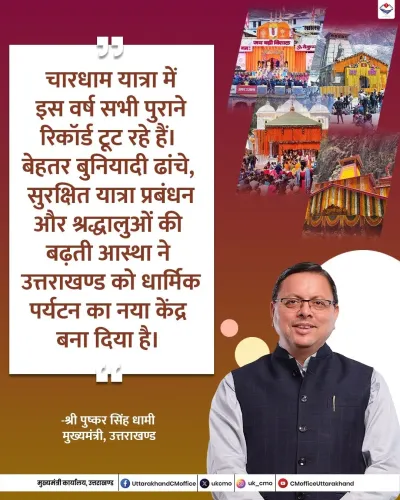
Chief Minister Pushkar Singh Dhami has declared that Uttarakhand's 2026 religious pilgrimages will be historic. The announcement, made via the official CMO account, previews a landmark yatra season covering the Char Dham circuit of Badrinath, Kedarnath, Gangotri and Yamunotri, with infrastructure and safety upgrades expected to be detailed shortly.
Key Takeaways
The Chief Minister's Office of Uttarakhand announced on 25 May 2026 that this year's religious pilgrimages will be 'historic,' attributing the statement to CM Pushkar Singh Dhami .
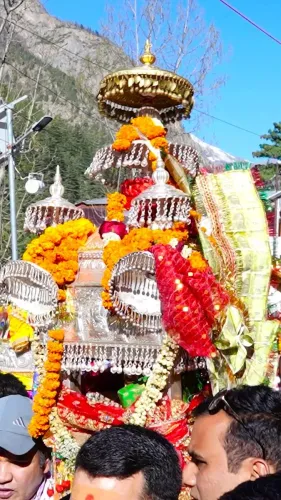
The declaration covers the Char Dham circuit — Badrinath, Kedarnath, Gangotri and Yamunotri — the centrepiece of Uttarakhand's annual pilgrimage season.
The Char Dham all-weather road project , approved in 2016 , has been a long-running infrastructure priority aimed at improving year-round access to the four shrines.
Post- 2013 Kedarnath disaster safety protocols — mandatory registration, helicopter evacuation and medical camps — form the baseline framework being built upon for the 2026 season .
Specific measures that would make the season 'historic' are yet to be officially detailed; announcements on ropeways, digital registration and crowd management are expected imminently.
The yatra season is the primary economic driver for communities across Garhwal and Kumaon , with heightened pilgrim numbers benefiting local hospitality, transport and trade sectors.
The Chief Minister's Office of Uttarakhand declared on Monday, 25 May 2026 that the state's religious pilgrimages this season will be historic, citing preparations by Chief Minister Pushkar Singh Dhami to elevate the experience for millions of devotees heading to the Himalayan shrines.
The post, shared from the official CMO account, stated: 'उत्तराखण्ड में इस बार ऐतिहासिक होंगी धार्मिक यात्राएं' — 'This time, the religious pilgrimages in Uttarakhand will be historic' — attributing the assertion directly to CM Pushkar Singh Dhami. The announcement comes at the start of the peak May–October yatra window, when footfall at the state's shrines surges dramatically.
Context
Uttarakhand is home to the Char Dham circuit — Badrinath, Kedarnath, Gangotri and Yamunotri — which together constitute one of the most significant Hindu pilgrimage routes in the country. Each summer, the four shrines collectively draw millions of devotees from across India and abroad, making the yatra season the single largest driver of economic activity in many Himalayan districts. The 2026 season is being framed by the state government as a landmark edition, though specific measures underpinning the 'historic' characterisation are yet to be detailed officially.Policy Backdrop
The state's pilgrimage infrastructure has been progressively upgraded over the past decade. The Char Dham all-weather road project, approved by the central government in 2016, has been a continuing priority, aimed at ensuring year-round motorable access to the four shrines regardless of winter snowfall or monsoon disruption. Following the catastrophic 2013 Kedarnath floods, successive administrations introduced mandatory pilgrim registration, helicopter evacuation protocols and medical camps stationed along the yatra routes — a safety framework that has been refined with each passing season. CM Dhami, who took office in 2021 and represents the Khatima constituency, has consistently positioned pilgrimage infrastructure as a flagship governance priority, coupling road and ropeway projects with crowd-management technology.Stakeholders and Impact
The announcement carries direct implications for pilgrims, local residents and tourism operators across the Garhwal and Kumaon Himalayan belts. For communities in towns such as Rishikesh, Uttarkashi, Rudraprayag and Chamoli, the yatra season is the primary source of livelihood through hospitality, transport and trade. A season described as 'historic' in scale or quality of facilities would translate into heightened footfall and, consequently, greater revenue for the local economy. Pilgrims, meanwhile, stand to benefit from any enhancements in safety infrastructure, digital registration systems and medical support along the high-altitude routes.What's Next
Attention will now turn to the specifics: official announcements on new ropeways, expanded registration portals, enhanced medical infrastructure and any crowd-cap revisions for the 2026 season are expected in the coming days. Central–state coordination meetings on Char Dham logistics, as well as security deployments along the yatra corridors, will be closely watched. How the government operationalises the 'historic' promise — whether through record pilgrim capacity, upgraded amenities or new digital services — will determine whether the season lives up to the billing set by CM Dhami's office this week.Point of View
Who has staked much of his political identity on Hindu pilgrimage development, a landmark 2026 season would provide tangible proof of delivery ahead of the state's political calendar. The announcement also reflects a broader national trend of state governments competing to attract religious tourism revenue by upgrading Himalayan and temple-circuit infrastructure. The real test will come when specific measures are announced — whether they represent genuine step-changes in capacity and safety, or a repackaging of ongoing projects.
NationPress
9 Oct 2026
Frequently Asked Questions
What did CM Pushkar Singh Dhami say about Uttarakhand yatras in 2026?
CM Pushkar Singh Dhami declared through the official Chief Minister's Office account on 25 May 2026 that Uttarakhand's religious pilgrimages this season will be historic, signalling significant preparations for the Char Dham yatra circuit.
Which pilgrimages are covered under the Char Dham Yatra in Uttarakhand?
The Char Dham Yatra covers four major Hindu shrines: Badrinath, Kedarnath, Gangotri and Yamunotri, all located in the Himalayan ranges of Uttarakhand and visited during the May–October pilgrimage season.
What infrastructure has Uttarakhand built for the Char Dham Yatra?
Key infrastructure includes the Char Dham all-weather road project approved in 2016, mandatory pilgrim registration systems, helicopter evacuation protocols and medical camps along yatra routes, all introduced or expanded after the 2013 Kedarnath disaster.
When does the Uttarakhand yatra season begin?
The Uttarakhand yatra season typically runs from May to October each year, with shrine portals opening in late April or early May and closing before the Himalayan winter sets in.
How important is the Char Dham Yatra to Uttarakhand's economy?
The Char Dham Yatra is the single largest driver of economic activity in many Himalayan districts of Uttarakhand, sustaining livelihoods in hospitality, transport and trade across towns such as Rishikesh, Uttarkashi, Rudraprayag and Chamoli.