CM Pema Khandu Hails Army Outreach in Border Villages
Synopsis
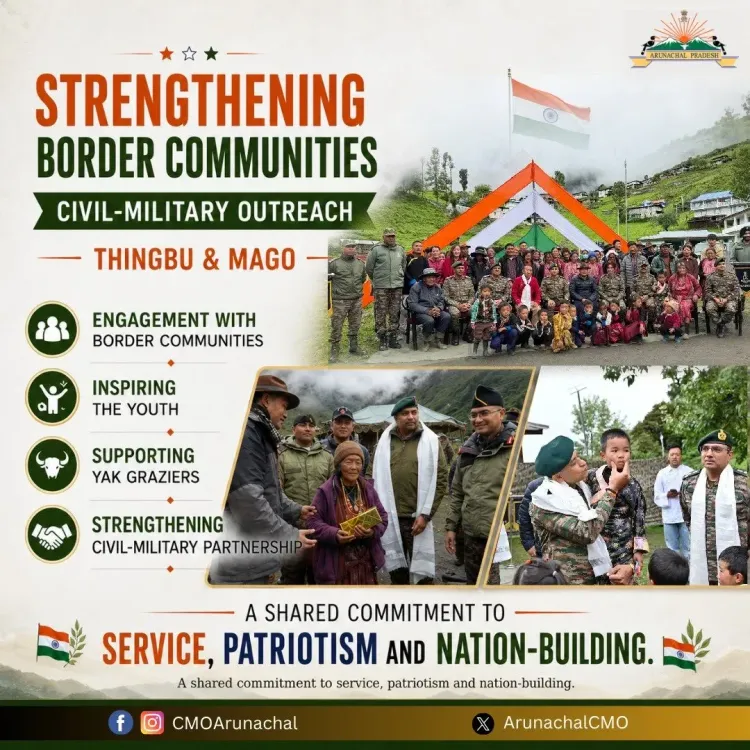
Chief Minister Pema Khandu has appreciated the Indian Army's outreach in border villages Thingbu and Mago in Arunachal Pradesh, praising efforts to build civil-military ties, inspire youth, and promote patriotism along the sensitive Line of Actual Control.
Key Takeaways
CM Pema Khandu publicly appreciated the Indian Army 's outreach activities in border villages Thingbu and Mago on 10 July 2026 .
The outreach aims to strengthen civil-military ties and inspire youth in remote frontier communities near the Line of Actual Control .
Both villages are located in the strategically sensitive Tawang district , close to the Indo-China border.
The Indian Army's Sadbhavana programme, active since the late 1990s, provides the institutional framework for such civic-action initiatives in the Northeast.
The initiative aligns with the central government's Vibrant Villages Programme aimed at developing border settlements along India's northern frontier.
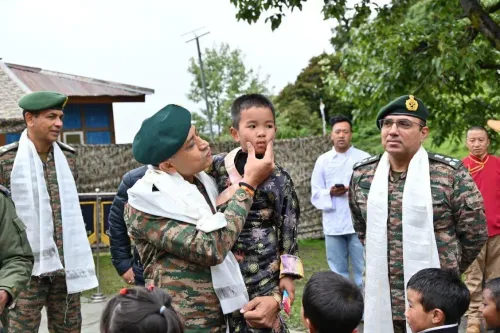
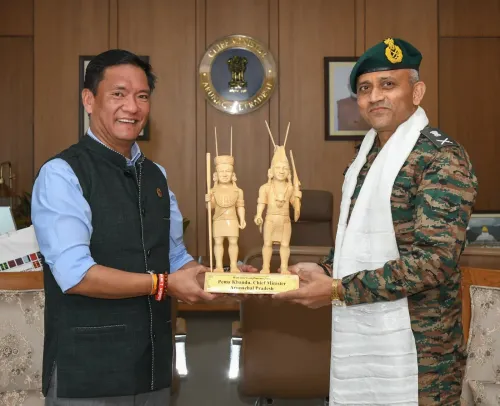
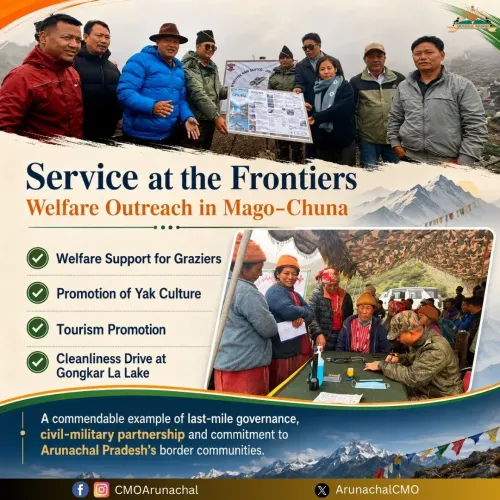
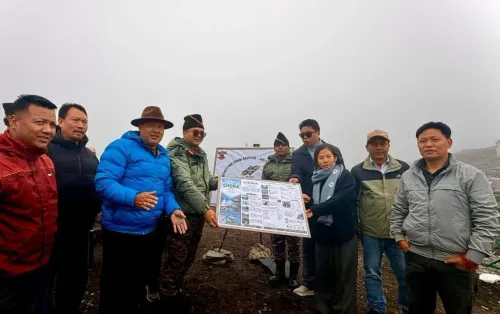
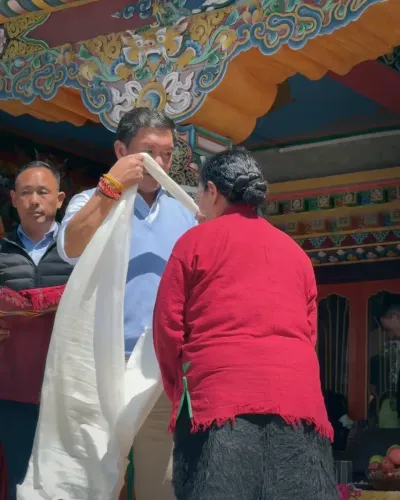
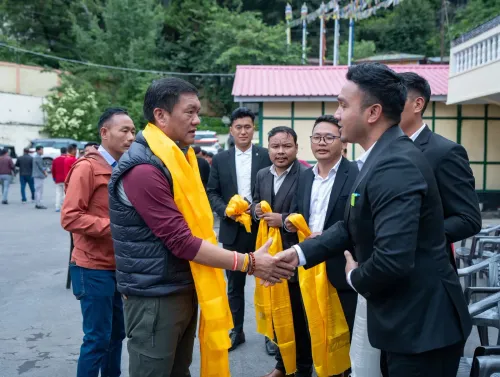
The Chief Minister's Office of Arunachal Pradesh announced on Friday, 10 July 2026 that Chief Minister Pema Khandu has appreciated the Indian Army's outreach activities conducted in the border villages of Thingbu and Mago, praising the initiative for strengthening civil-military ties, inspiring local youth, and reinforcing the values of service, patriotism, and nation-building.
Context
Thingbu and Mago are remote frontier villages situated in the strategically sensitive Tawang district of Arunachal Pradesh, located close to the Line of Actual Control (LAC) along the Indo-China border. These settlements, owing to their geographic isolation and proximity to contested territory, have historically received limited administrative reach, making the Army's presence a critical link between the state and its border communities. CM Khandu underlined that such outreach efforts go beyond security — they carry a message of national integration and solidarity to some of India's most remote citizens.
Policy Backdrop
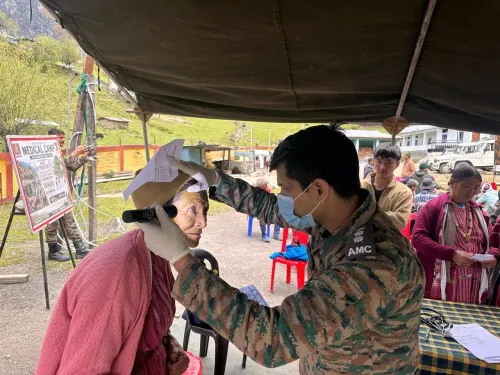
The Indian Army's civic-action programmes, including the long-running Sadbhavana initiative launched in the late 1990s and extended progressively across the Northeast, have formed the institutional backbone for this kind of community engagement. Under Sadbhavana and related frameworks, Army units stationed in border districts organise educational camps, medical outreach, sports events, and vocational training to build trust with local populations. Arunachal Pradesh, with its extensive and sensitive frontier, has been a priority zone for such programmes across successive governments at both the state and central levels.
Successive administrations have recognised that reinforcing administrative and emotional connectivity in frontier villages is as vital as physical infrastructure. Border road construction, the Vibrant Villages Programme launched by the central government, and Army civic-action efforts together constitute an integrated strategy to ensure that residents of border areas feel the presence and care of the Indian state.
Stakeholders and Impact
The most immediate beneficiaries of the Army's outreach in Thingbu and Mago are the border villagers themselves — communities that often face geographic and infrastructural barriers to mainstream services. CM Khandu specifically highlighted the Army's role in inspiring local youth, a demographic that state and central policymakers regard as central to long-term national integration in frontier zones. By engaging young residents through structured programmes, the Army helps channel aspiration toward service and civic participation.
Civil-military cooperation of this nature also carries broader strategic significance. A well-integrated border population contributes to local intelligence networks, reduces vulnerability to external influence, and strengthens India's administrative claim over its frontier territories — a consideration of particular relevance in the Tawang sector, which has historically been a focal point of the India-China boundary dispute.
What's Next
The Chief Minister's public appreciation signals continued state-level support for Army-led civic engagement in Arunachal Pradesh's border districts. Observers will watch for expanded coordination between the state government and Army formations on youth programmes, infrastructure support, and community development under existing civic-action frameworks. With the Vibrant Villages Programme scaling up along the northern frontier, such outreach activities are likely to be woven more formally into the broader policy architecture for border-area development in the coming months.
Point of View
A policy priority that has gained urgency since the 2020 Galwan clashes sharpened focus on the LAC. By spotlighting Thingbu and Mago, the Chief Minister's Office draws attention to the Tawang sector, historically the most contested stretch of the Arunachal border, reinforcing a narrative of active governance in areas China has long claimed. The framing around youth inspiration also reflects a longer-term statecraft goal: cultivating a generation of border residents with a strong sense of national identity. This pattern of civil-military outreach, amplified through official social media, has become a consistent tool in India's soft-power playbook along the northeastern frontier.
NationPress
10 Jul 2026
Frequently Asked Questions
What did CM Pema Khandu say about the Indian Army's outreach in border villages?
CM Pema Khandu appreciated the Indian Army's outreach in the border villages of Thingbu and Mago , praising its efforts to strengthen civil-military ties, inspire youth, and reinforce the spirit of service, patriotism, and nation-building.
Where are Thingbu and Mago located?
Thingbu and Mago are remote border villages in Tawang district , Arunachal Pradesh , situated near the Line of Actual Control along the Indo-China border.
What is the Indian Army's Sadbhavana programme?
The Sadbhavana programme is an Indian Army civic-action initiative launched in the late 1990s and extended to the Northeast, focused on community development, education, medical outreach, and building trust with border populations.
Why is civil-military outreach important in Arunachal Pradesh?
Arunachal Pradesh shares a long and sensitive border with China along the Line of Actual Control . Civil-military outreach helps integrate remote frontier communities with the Indian state, inspires local youth, and strengthens national integration in strategically vital areas.
What is the Vibrant Villages Programme and how does it relate to this outreach?
The Vibrant Villages Programme is a central government scheme to develop border settlements along India's northern frontier. The Indian Army's community outreach in villages like Thingbu and Mago complements this broader policy framework for border-area development.