CM Pema Khandu lauds Tawang welfare drive at Mago-Chuna border
Synopsis
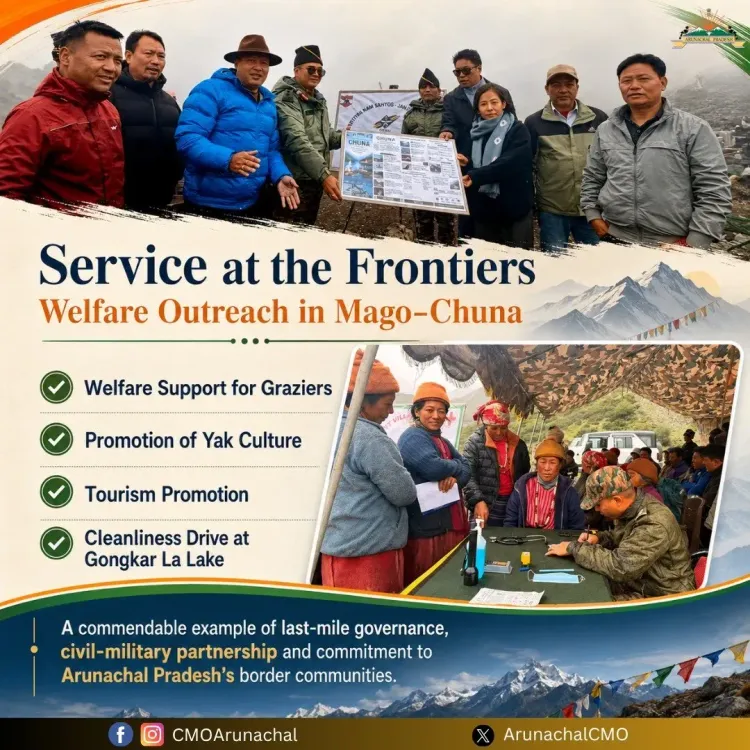
Chief Minister Pema Khandu on 1 July 2026 praised the Tawang Administration and Gajraj Corps for a multi-sector welfare drive in the remote border villages of Mago-Chuna, covering yak culture, tourism and environmental conservation as part of India's civil-military border outreach.
Key Takeaways
CM Pema Khandu publicly appreciated the Tawang Administration and Gajraj Corps for organising welfare outreach in Mago-Chuna border villages on 1 July 2026 .
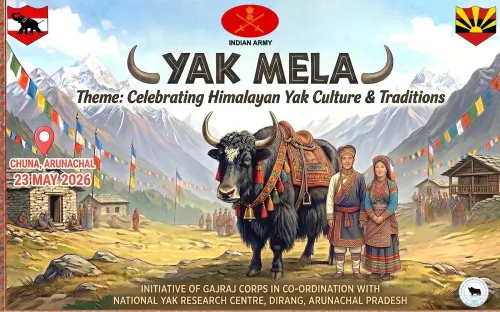
The initiative covered yak culture promotion , tourism development , and environmental conservation in high-altitude border areas.
Gajraj Corps (XVII Corps) is the Indian Army formation responsible for the Arunachal Pradesh sector along the Line of Actual Control .
The outreach aligns with the Indian Army's long-running Operation Sadbhavana civic action programme and the central government's Vibrant Villages Programme (2023) .
Mago-Chuna villages are home to Monpa communities whose traditional yak-herding livelihoods are a focus of cultural preservation efforts.
Similar civil-military welfare models operate in Ladakh and Sikkim , reflecting a broader national strategy for integrated border management.
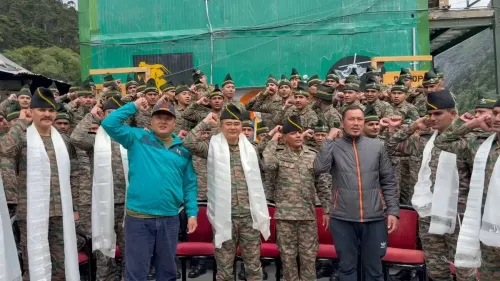
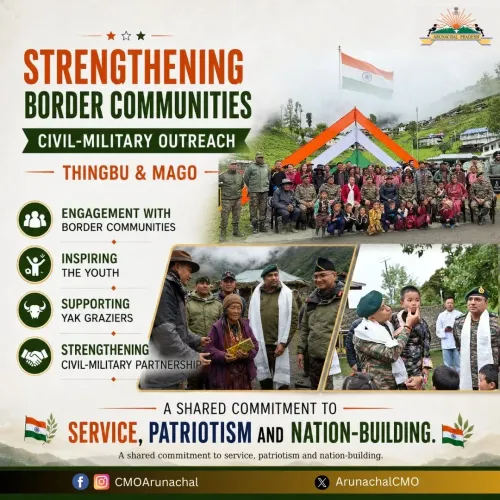
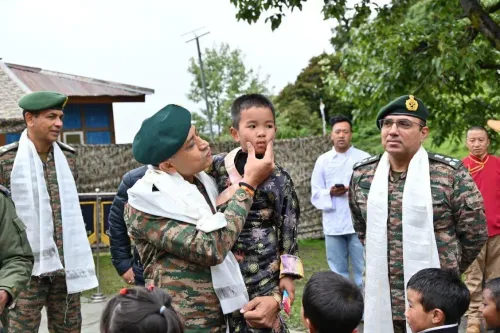
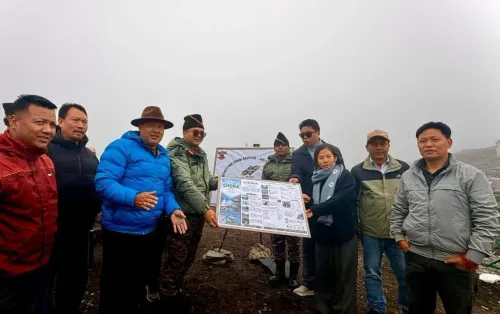
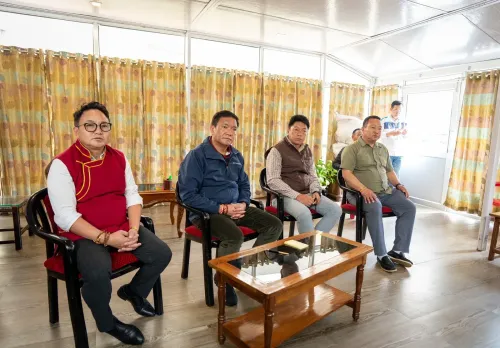
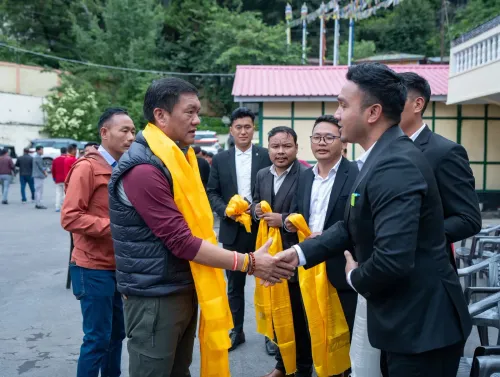
The Chief Minister's Office of Arunachal Pradesh on Wednesday, 1 July 2026, shared that Chief Minister Pema Khandu appreciated the Tawang Administration and the Gajraj Corps of the Indian Army for organising a welfare outreach initiative in the remote border villages of Mago-Chuna, covering yak culture promotion, tourism development, and environmental conservation.
Context
The outreach in Mago-Chuna — high-altitude villages nestled near the India-China border in Tawang district — exemplifies the civil-military partnership model that has become a cornerstone of border governance in Arunachal Pradesh. CM Pema Khandu described the effort as 'reflecting the spirit of service and civil-military partnership,' underscoring the administration's recognition of coordinated outreach in strategically sensitive zones. The initiative brought together district officials and the Army's Gajraj Corps (XVII Corps), which oversees the Arunachal sector along the Line of Actual Control (LAC).
Tawang is home to the Monpa community, traditional yak herders whose pastoral practices are deeply intertwined with the region's cultural identity. Promoting yak culture in such outreach signals an effort to preserve indigenous livelihoods alongside security and development objectives.
Policy Backdrop
The welfare drive aligns with a layered policy framework. The Indian Army's Operation Sadbhavana, running in Northeast border areas since the late 1990s, has long sought to build local trust through civic action — from medical camps to infrastructure support. The current initiative at Mago-Chuna fits squarely within that tradition.
At the state level, Arunachal Pradesh's tourism policy identified Tawang as a priority circuit for cultural and eco-tourism, while the central government's Vibrant Villages Programme (2023) allocated dedicated funds for infrastructure and livelihood support in border blocks, including those in Tawang. Together, these schemes provide the policy scaffolding for multi-sector outreach of the kind appreciated by CM Khandu.
Stakeholders and Impact
The most immediate beneficiaries are the border villagers and yak herders of Mago-Chuna, communities that often face geographic isolation and limited access to government services. Welfare camps and cultural promotion activities offer tangible relief and recognition to these populations, reinforcing their connection to the Indian state.
Local tourism operators in Tawang also stand to gain as the promotion of yak heritage and eco-tourism in remote border areas can attract niche travellers and generate supplementary income. Environmental conservation components, meanwhile, address the ecological fragility of high-altitude Himalayan ecosystems that sustain these communities.
The civil-military model demonstrated here mirrors parallel programmes in Ladakh and Sikkim, where Army corps collaborate with state administrations on welfare, cultural preservation, and ecological initiatives. These efforts have intensified since 2017 as both development tools and instruments of soft power in districts where Chinese infrastructure investment across the LAC has grown visibly.
What's Next
The appreciation expressed by CM Pema Khandu is likely to encourage further joint outreach cycles in other remote blocks of Tawang and neighbouring border districts. Observers will watch for the roll-out of additional Vibrant Villages Programme projects and the formalisation of joint Tawang tourism circuits that integrate Army-supported infrastructure with state-run hospitality initiatives.
As Arunachal Pradesh continues to assert its development credentials in frontier zones, civil-military welfare partnerships at places like Mago-Chuna are poised to serve as both governance instruments and visible signals of India's integrated approach to border management along the LAC.
Point of View
Such outreach serves a dual purpose: delivering tangible welfare to isolated communities while visually reinforcing Indian state presence in strategically sensitive terrain. The inclusion of yak culture and eco-tourism alongside conventional welfare activities reflects a maturation of India's border-management playbook, moving beyond infrastructure alone toward cultural and livelihood anchoring. This pattern, replicated across Ladakh and Sikkim, suggests a coordinated national template rather than isolated state initiative.
NationPress
30 Sept 2026
Frequently Asked Questions
What is the Mago-Chuna welfare outreach about?
The Mago-Chuna welfare outreach is a civil-military initiative by the Tawang Administration and the Indian Army's Gajraj Corps in remote high-altitude border villages of Tawang district, Arunachal Pradesh, covering yak culture promotion, tourism development, and environmental conservation.
What is the Gajraj Corps?
The Gajraj Corps, also known as XVII Corps of the Indian Army, is headquartered in the Northeast and is responsible for the Arunachal Pradesh sector along the Line of Actual Control with China.
What is the Vibrant Villages Programme?
The Vibrant Villages Programme is a central government scheme launched in 2023 that allocates funds for infrastructure and livelihood support in border blocks of states like Arunachal Pradesh, including Tawang district.
Why is Tawang strategically important for India?
Tawang is a strategically sensitive district in western Arunachal Pradesh bordering China, home to the historic Tawang Monastery and traditional Monpa communities, and has been a focus of both security and development policy due to its proximity to the Line of Actual Control.