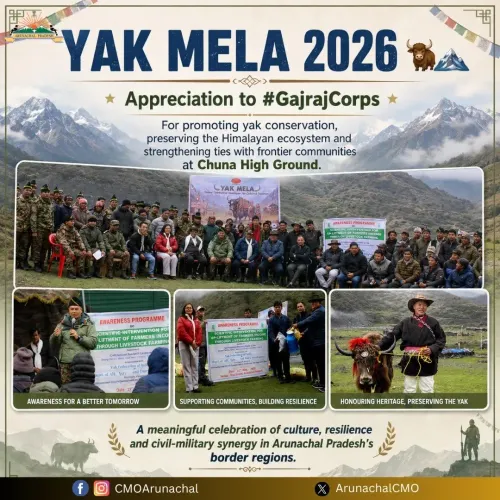
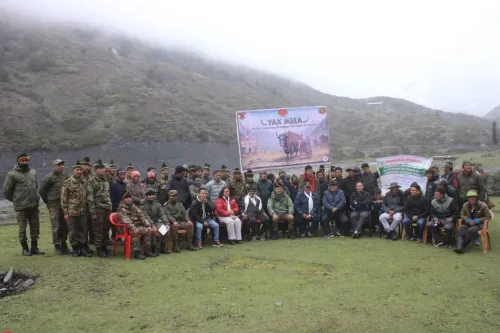
CM Pema Khandu lauds Gajraj Corps' Yak Mela 2026 at Chuna High Ground
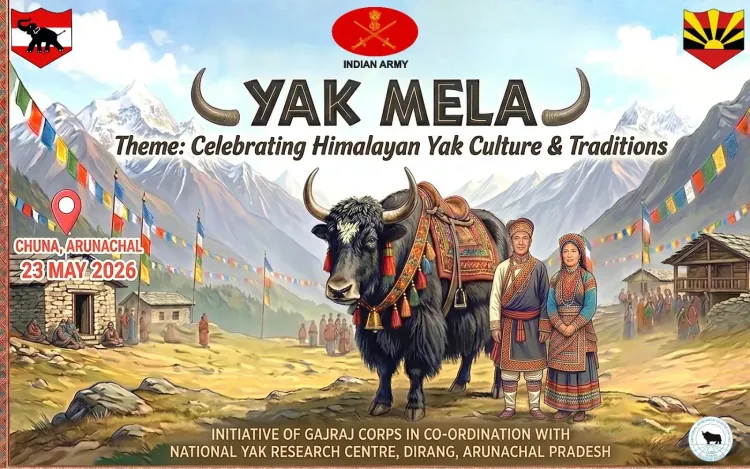
Synopsis
Arunachal Pradesh Chief Minister Pema Khandu on 29 May 2026 applauded Gajraj Corps for holding Yak Mela 2026 at Chuna High Ground, celebrating yak conservation, Himalayan culture, and civil-military service through a medical camp for the people of Mago and Hydel at 14,000 feet.
Key Takeaways
CM Pema Khandu publicly praised Gajraj Corps for organising Yak Mela 2026 at Chuna High Ground on 29 May 2026 .
The event was held at an altitude of 14,000 feet , focusing on Himalayan ecosystem preservation and yak conservation.
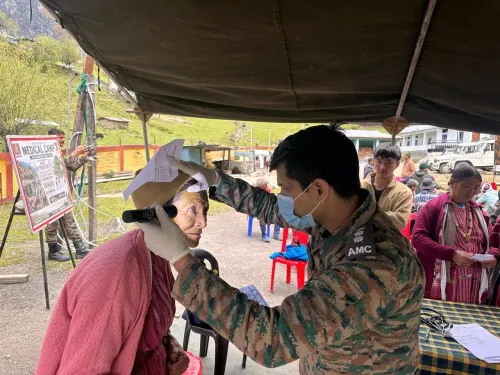
A Medical Camp was organised for the people of frontier settlements Mago and Hydel , demonstrating civil-military cooperation.
The Yak National Research Centre, Dirang — an ICAR institute established in 1989 — was a key partner in the initiative.
Gajraj Corps (IV Corps) , headquartered in Tezpur , has a long record of civic action programmes in Arunachal Pradesh's high-altitude border districts.
The initiative aligns with the national policy of integrated development and trust-building in India's strategically sensitive frontier regions.
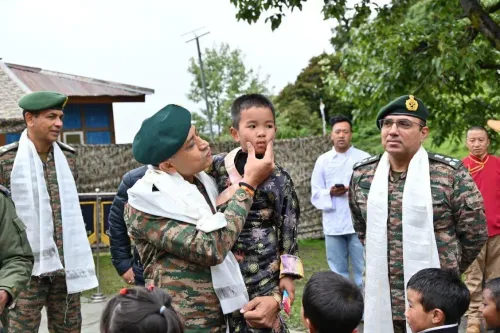
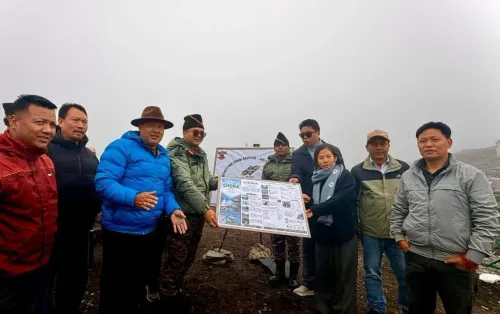
Arunachal Pradesh Chief Minister Pema Khandu on Friday, 29 May 2026 praised the Indian Army's Gajraj Corps for organising Yak Mela 2026 at Chuna High Ground, commending the event as a meaningful step towards Himalayan ecosystem preservation, yak conservation, and strengthening ties with frontier communities at an altitude of 14,000 feet.
Context
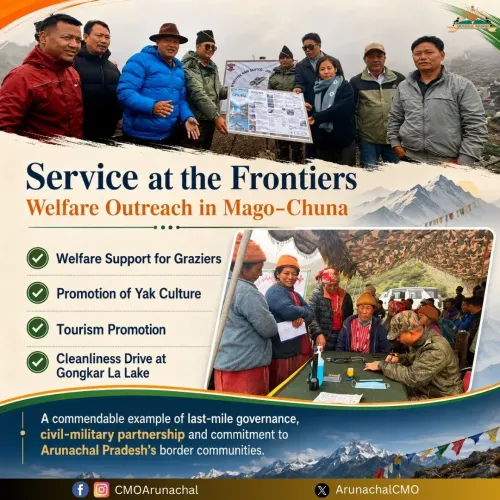
CM Khandu took to social media to express his appreciation for the initiative, noting that the celebration of 'culture, tradition and resilience reflects the spirit of our vibrant border villages.' He specifically highlighted a Medical Camp organised for the people of Mago and Hydel — remote frontier settlements in Arunachal Pradesh — as 'commendable' and a showcase of 'civil-military synergy and service to the nation.'
The Chief Minister extended his appreciation to Gajraj Corps, the Yak National Research Centre, Dirang, and the local communities for what he described as a 'meaningful initiative towards preserving our heritage and empowering our frontier regions.'
Policy Backdrop
The Gajraj Corps, formally known as IV Corps and headquartered in Tezpur, Assam, is the Indian Army formation responsible for the Arunachal Pradesh sector. It has a long record of civic action programmes in high-altitude border districts, combining conservation, cultural outreach, and medical services to build trust in remote communities facing significant infrastructure and connectivity challenges.
The Yak National Research Centre in Dirang was established in 1989 under the Indian Council of Agricultural Research (ICAR) to support yak breeding, health management, and conservation across the high-altitude Himalayan belt of the Northeast. Yaks are central to the livelihoods and cultural identity of several frontier communities in the region, making their conservation both an ecological and socio-economic priority.
These activities align with the broader national emphasis on integrated development of frontier regions — a policy thrust that has gained momentum in recent years through schemes targeting border-area infrastructure, connectivity, and community welfare.
Stakeholders and Impact
The primary beneficiaries of Yak Mela 2026 are the yak-herding and frontier communities of Arunachal Pradesh's high-altitude border zones, including the residents of Mago and Hydel, who received direct medical assistance through the Army-organised camp. These villages lie in some of the most geographically isolated parts of the country, where access to healthcare and government services remains limited.
For the Indian Army, such events reinforce the civil-military relationship in a strategically sensitive border region. For the state government, the Chief Minister's public endorsement signals continued political support for Army-led civic outreach as a complement to state developmental programmes.
What's Next
Attention will now turn to whether the success of Yak Mela 2026 prompts the scaling of similar medical and veterinary camps to additional border blocks across Arunachal Pradesh. Any state or central government announcements on Himalayan livestock conservation schemes or frontier-region development programmes linked to this initiative will be closely watched by both policymakers and frontier communities.
Point of View
Khandu frames the Indian Army's presence in frontier Arunachal not merely as a security apparatus but as a development partner — a narrative the BJP has consistently cultivated in the Northeast. The shout-out to the Yak National Research Centre also subtly elevates ICAR's role in the Himalayan frontier, potentially laying groundwork for expanded livestock and ecosystem funding. Cumulatively, the post reinforces the government's 'Vibrant Villages' approach: making border settlements visible, valued, and connected to national institutions.
NationPress
23 Sept 2026
Frequently Asked Questions
What is Yak Mela 2026 and where was it held?
Yak Mela 2026 is a cultural and conservation event organised by Gajraj Corps (Indian Army's IV Corps) at Chuna High Ground in Arunachal Pradesh, held at an altitude of approximately 14,000 feet to celebrate Himalayan culture, promote yak conservation, and strengthen ties with frontier communities.
What is the Yak National Research Centre in Dirang?
The Yak National Research Centre in Dirang, Arunachal Pradesh, is an institute under the Indian Council of Agricultural Research (ICAR) established in 1989. It conducts scientific research on yak breeding, health, and conservation in the high-altitude Himalayan regions of Northeast India.
What is Gajraj Corps and what does it do in Arunachal Pradesh?
Gajraj Corps, formally IV Corps of the Indian Army and headquartered in Tezpur, Assam, is responsible for the Arunachal Pradesh sector. Beyond its security role, it conducts civic action programmes including cultural events, medical camps, and conservation initiatives in remote border districts.
Where are Mago and Hydel villages in Arunachal Pradesh?
Mago and Hydel are remote frontier settlements located in the high-altitude border areas of Arunachal Pradesh. They are among the most geographically isolated villages in India, with limited access to healthcare and government services.
Why is yak conservation important for Arunachal Pradesh's frontier communities?
Yaks are central to the livelihoods, culture, and food security of high-altitude frontier communities in Arunachal Pradesh. Their conservation is both an ecological priority — protecting a species adapted to extreme Himalayan conditions — and a socio-economic necessity for herding communities in border regions.