CM Pema Khandu heads to Tawang for Yak Economy Summit
Synopsis
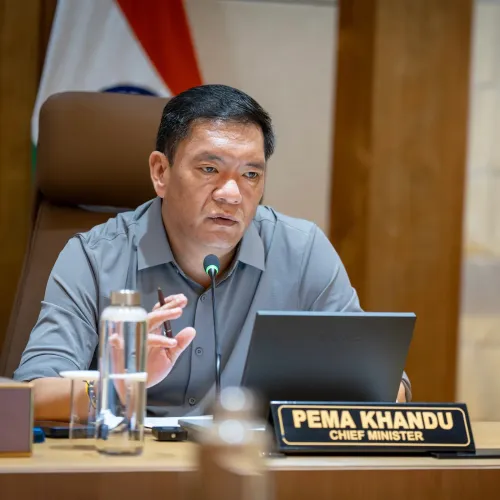
Chief Minister Pema Khandu has returned to his hometown Tawang to attend the ShangriLa Calling and Yak Economy Summit at Mago, spotlighting state efforts to build livelihoods for yak herders and tourism operators in Arunachal Pradesh's high-altitude border districts.
Key Takeaways
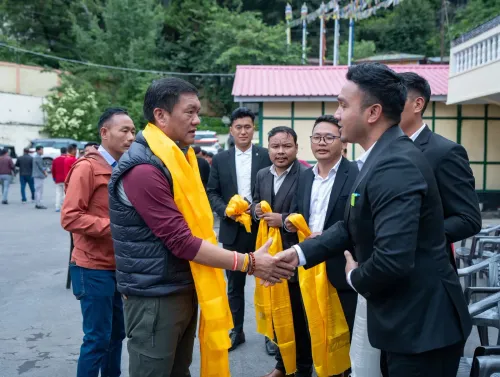
CM Pema Khandu arrived in Tawang , his hometown, on 16 October 2026 .
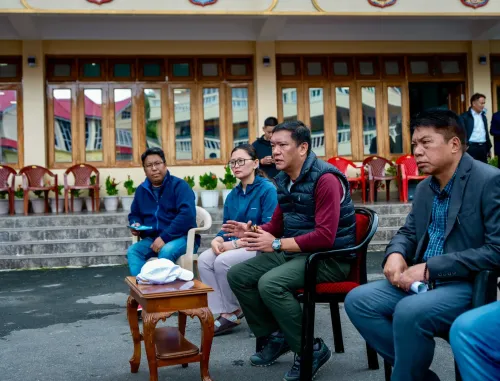
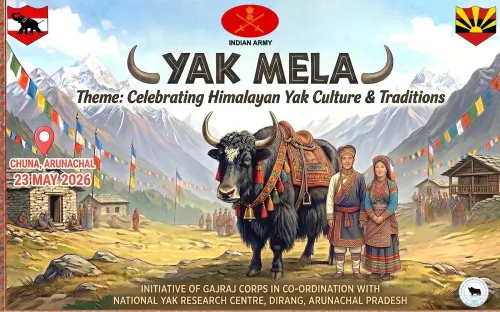
He is attending the ShangriLa Calling & Yak Economy Summit at Mago , within Tawang district.
The summit focuses on yak rearing and related economic opportunities in Arunachal Pradesh's Himalayan region.
Tawang is a high-altitude district near the India-China border, known for its Buddhist monasteries and tourism potential.
The event aligns with the state's broader push to develop livestock-based livelihoods and tourism in remote border areas.
High in the Himalayas, where yak herders have worked the same cold plateaus for centuries, Arunachal Pradesh Chief Minister Pema Khandu is returning to his roots — and to a summit that could reshape the economic future of some of India's most remote border communities. On Friday, 16 October 2026, Khandu announced his arrival in Tawang, his hometown, ahead of the ShangriLa Calling & Yak Economy Summit at Mago.
Tawang and Mago: Where culture meets cold-climate commerce
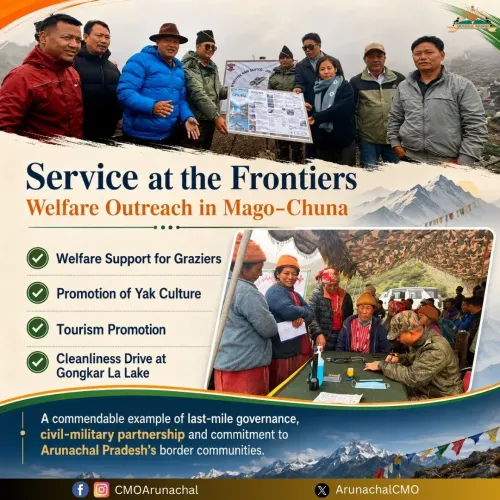
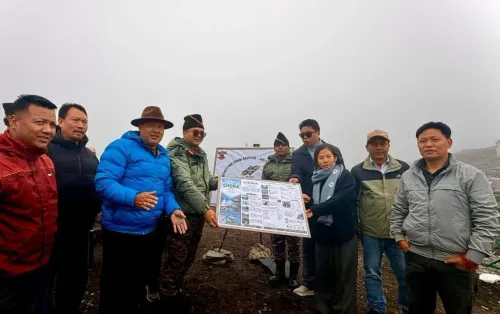
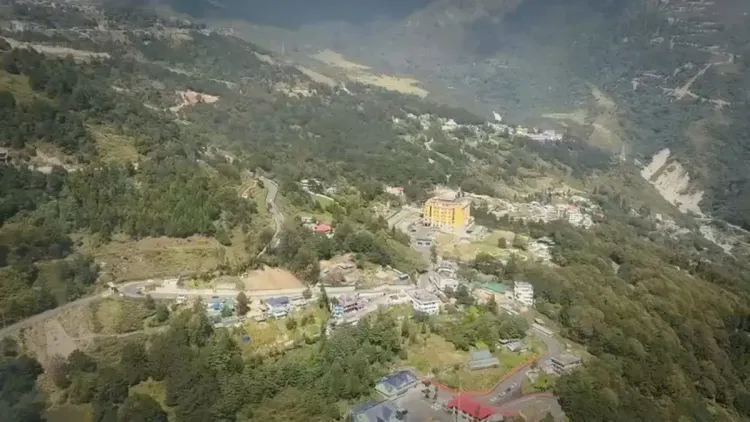
Tawang, perched near the India-China border and home to one of the world's largest Buddhist monasteries, is far more than a cultural landmark — it is the economic heartland of a region that has long relied on yak rearing as its primary livelihood. Mago, the high-altitude area within Tawang district selected to host the summit, sits amid some of the most dramatic mountain terrain in the northeast, lending the event both symbolism and logistical ambition.
Khandu described his return as 'always a wonderful feeling,' noting the 'breathtaking beauty of our majestic mountains' as a backdrop to the summit. The choice of venue is deliberate — taking policy conversations directly into the landscape they aim to serve.
What the Yak Economy Summit is about
The Yak Economy Summit centres on yak rearing and its downstream economic potential: milk, meat, wool, transport, and emerging value-added products that could integrate Himalayan herders into wider supply chains. Arunachal Pradesh has steadily pushed to develop traditional livestock-based livelihoods in its border districts, and events of this kind signal a deliberate state strategy — pairing cultural identity with commercial opportunity.
The 'ShangriLa Calling' component points equally to tourism. Border districts like Tawang attract visitors drawn by monasteries, trekking routes, and rare biodiversity, and the state government has been working to translate that footfall into stable income for local operators and herding communities.
Border belts, livelihoods, and what comes next
The stakes are pointed. India's northeastern border districts have historically been among the country's most economically marginalised, even as they carry outsized strategic importance. Summits that draw state leadership directly to Mago — not to a conference hall in Itanagar — send a signal about where development attention is being directed.
Watch for announcements on yak product value chains, cold-storage or processing infrastructure, and any tourism corridor commitments that emerge from the proceedings. When a chief minister travels to the edge of the map, he rarely returns without something concrete to show for it.
Point of View
A combination the BJP has leaned on in frontier states. For a border district like Tawang, where China's proximity colours every development conversation, summits that attract state-level leadership also carry an implicit message of sovereign presence and investment priority.
NationPress
16 Oct 2026
Frequently Asked Questions
What is the Yak Economy Summit in Arunachal Pradesh?
The Yak Economy Summit is an event focused on yak rearing and its economic potential — including dairy, wool, and transport — for herding communities in Arunachal Pradesh's Himalayan border districts. The 2026 edition is being held at Mago in Tawang district.
Where is Mago located in Arunachal Pradesh?
Mago is a high-altitude area in Tawang district of Arunachal Pradesh, situated amid Himalayan terrain near the India-China border.
What is ShangriLa Calling?
ShangriLa Calling is the tourism-focused component of the summit being held alongside the Yak Economy Summit at Mago, aimed at promoting Tawang and its surrounding landscapes as a travel destination.
Why is Tawang significant for Pema Khandu?
Tawang is Pema Khandu's hometown and the district he has represented politically. It is also one of Arunachal Pradesh's most strategically important and culturally rich border districts.
What economic activities are being promoted through the Yak Economy Summit?
The summit looks to develop value chains around yak-based products such as milk, meat, wool, and transport, alongside tourism infrastructure, to improve incomes for herders and local communities in Arunachal Pradesh's border regions.