CM Pema Khandu Pushes Yak Economy Plan for Arunachal
Synopsis
Arunachal Pradesh CM Pema Khandu chaired a virtual multi-agency meeting on October 11, 2026, to chart a Yak Economy roadmap covering scientific breeding, yak fibre, dairy value addition, and community-based border tourism for high-altitude frontier communities.
Key Takeaways
CM Pema Khandu chaired a virtual meeting on October 11, 2026 to develop a formal Yak Economy roadmap for Arunachal Pradesh .
Key participants included the AHV&DD , the Indian Army , and ICAR–National Research Centre on Yak (ICAR–NRCY) .
The plan extends beyond traditional milk and chhurpi production to include scientific breeding , yak fibre , handicrafts, and community-based border tourism .
Seasonal grazing stations and dairy value addition are also part of the envisioned framework for herder income diversification.
The initiative explicitly links high-altitude livelihood development to frontier resilience in a strategically sensitive border region.
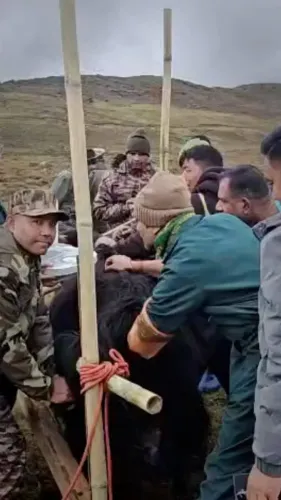
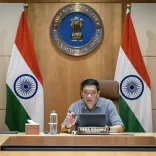
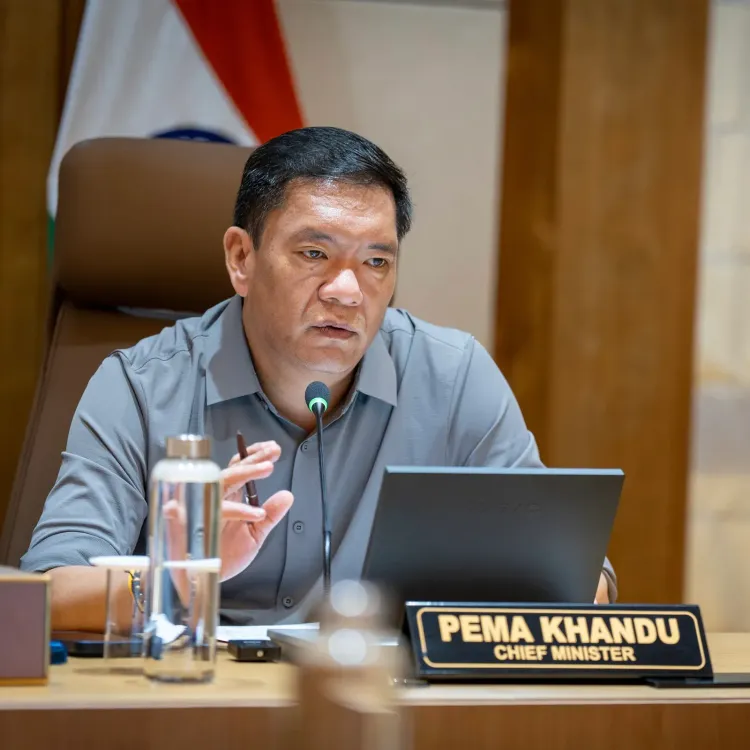
High in the mountains of Arunachal Pradesh, the yak is more than a beast of burden — it is a lifeline, a cultural anchor, and, Arunachal Pradesh Chief Minister Pema Khandu now argues, an untapped economic engine. On Sunday, October 11, 2026, Khandu chaired a virtual meeting to begin mapping a formal roadmap for what he is calling the state's 'Yak Economy.'
Who sat at the virtual table — and why it matters
The meeting brought together the Animal Husbandry, Veterinary and Dairying Department (AHV&DD), the Indian Army, the ICAR–National Research Centre on Yak (ICAR–NRCY), and other stakeholders. The presence of the Army alongside scientific and administrative bodies is significant: Arunachal Pradesh shares a sensitive frontier with China, and yak herding communities live and move in some of the most strategically vital terrain in the country. Connecting economic development to border resilience is a deliberate framing — and a telling one.
Beyond milk and chhurpi: the full vision
Khandu was explicit that the plan must outgrow its traditional scope. 'Our vision must go beyond milk and chhurpi [traditional yak-milk cheese],' he said, calling for scientific breeding, improved animal husbandry, seasonal grazing stations, dairy value addition, yak fibre and handicrafts, and community-based border tourism. Each pillar targets a different income stream for herding families who currently depend on a narrow, climate-vulnerable base. Yak fibre, for instance, is a high-value natural product that competes with cashmere in global textile markets — yet it remains commercially underdeveloped in India. The Chief Minister's explicit mention of it signals ambition well beyond subsistence.
Frontier communities at the centre of the plan
Khandu framed the yak not just as livestock but as a living carrier of cultural identity and highland resilience. The herders who tend these animals inhabit high-altitude border zones — communities that have historically faced isolation, outmigration pressure, and limited access to formal markets. A structured Yak Economy, if implemented with the scientific and institutional muscle now being assembled, could reverse that tide by making traditional livelihoods commercially competitive without severing their ecological and cultural roots.
The hashtags #YakEconomy, #FrontierDevelopment, and #EmpoweringYakHerders signal that this is being positioned as a signature state initiative — one the Chief Minister intends to take public. Whether the roadmap meeting translates into a formal policy document, dedicated budgetary allocation, or a state scheme will be the real test. For now, the yak has a seat at the policy table.
Point of View
Ecological conservation, and border-area development — a trifecta that carries quiet strategic weight given Arunachal Pradesh's contested frontier geography. By pulling in the Indian Army alongside scientific bodies, the Chief Minister is signalling that this is not a routine agricultural scheme but a national-security-adjacent development push. The framing mirrors a broader Central and state government trend of using livelihood programmes to strengthen human presence and economic ties in remote border zones. Whether the roadmap meeting produces a funded, time-bound scheme — or remains an aspirational policy exercise — will determine whether the yak truly becomes an instrument of frontier development or another vision that dissolves at the foothills of implementation.
NationPress
11 Oct 2026
Frequently Asked Questions
What is Arunachal Pradesh's Yak Economy initiative?
It is a policy roadmap being developed by the Arunachal Pradesh government to transform yak herding into a diversified, sustainable livelihood covering scientific breeding, yak fibre, dairy products, handicrafts, and community-based border tourism.
Who chaired the Yak Economy meeting in Arunachal Pradesh?
Chief Minister Pema Khandu chaired the virtual meeting on October 11, 2026 , which included the AHV&DD, the Indian Army, and ICAR–NRCY.
What is ICAR–NRCY and what role does it play in yak development?
ICAR–NRCY stands for the National Research Centre on Yak , a specialised institute under the Indian Council of Agricultural Research that focuses on scientific yak breeding, health, and productivity improvement in high-altitude regions.
Why is the Indian Army involved in the Arunachal Yak Economy plan?
Yak herding communities live along Arunachal Pradesh's sensitive border with China. The Army's involvement reflects the strategic importance of supporting frontier communities and maintaining civilian presence in these high-altitude zones.
What is chhurpi and why did CM Khandu mention it?
Chhurpi is a traditional hard cheese made from yak milk, widely consumed in Himalayan communities. Khandu cited it to argue that the Yak Economy must diversify beyond conventional dairy products into higher-value outputs like yak fibre and border tourism.