Arunachal Pradesh hydropower hub: 2,000 MW Subansiri project units commissioned
Synopsis
Arunachal Pradesh is quietly becoming India's most consequential clean energy frontier. With four units of the 2,000 MW Subansiri project live, ₹52,000 crore approved for five more projects, and a potential 4,000 MW pipeline in the works, the border state is central to India's net-zero ambitions — and its strategic infrastructure push along the China and Myanmar frontiers makes this far more than an energy story.
Key Takeaways
Four units of the 2,000 MW Subansiri Lower Hydroelectric Project , built at ₹30,071 crore , have been commissioned in Arunachal Pradesh .
Investments of more than ₹52,000 crore have been approved for five additional hydropower projects , targeting nearly 4,000 MW of renewable energy.
Arunachal Pradesh is the first state in the Northeast to achieve 100% saturation under the Jal Jeevan Mission , with 2.28 lakh tap connections delivered.
Under the Vibrant Villages Programme , 455 villages in 11 districts were covered in Phase-I; 122 more along the Myanmar and Bhutan borders added in Phase-II.
Donyi Polo Airport , the state's first greenfield airport, can handle one million passengers per year ; Tezu Airport has also been upgraded. ₹4,900 crore has been allocated to Arunachal Pradesh under the Pride of Hills capital investment component.
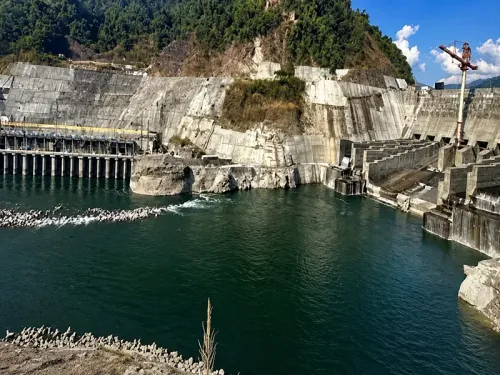
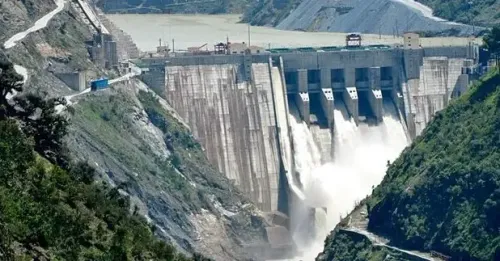
Arunachal Pradesh is rapidly consolidating its position as India's foremost hydropower hub, with four units of the 2,000 MW Subansiri Lower Hydroelectric Project — built at a cost of ₹30,071 crore — now commissioned and the remaining units expected to follow shortly, according to state officials speaking on Sunday, 11 October 2026.
Scale of Hydropower Investments
A senior official from the Chief Minister's Office confirmed that investments exceeding ₹52,000 crore have been approved for five additional hydropower projects in the state. Together, these projects are projected to generate nearly 4,000 MW of renewable energy, bolstering India's clean energy capacity and supporting the country's net-zero emissions commitments. This comes amid a national push to diversify India's energy mix away from fossil fuels, with the Northeast emerging as a critical green energy corridor.
Infrastructure Transformation Across the State
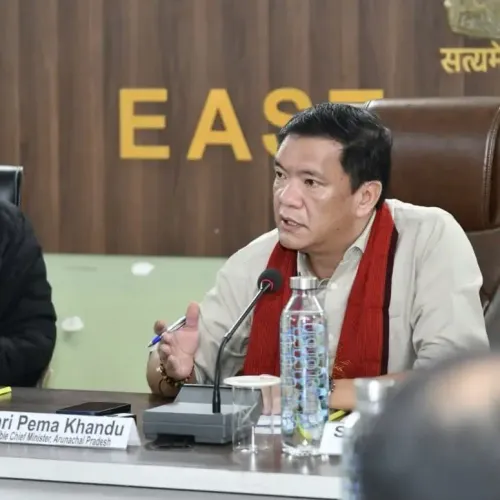
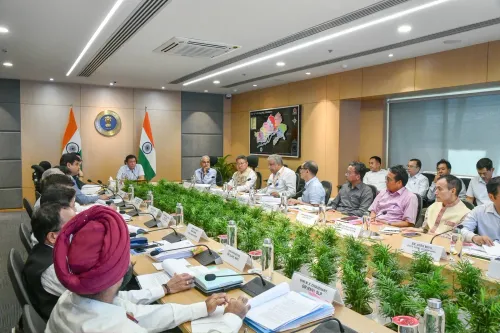
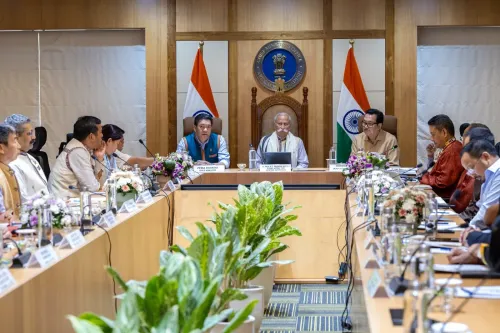
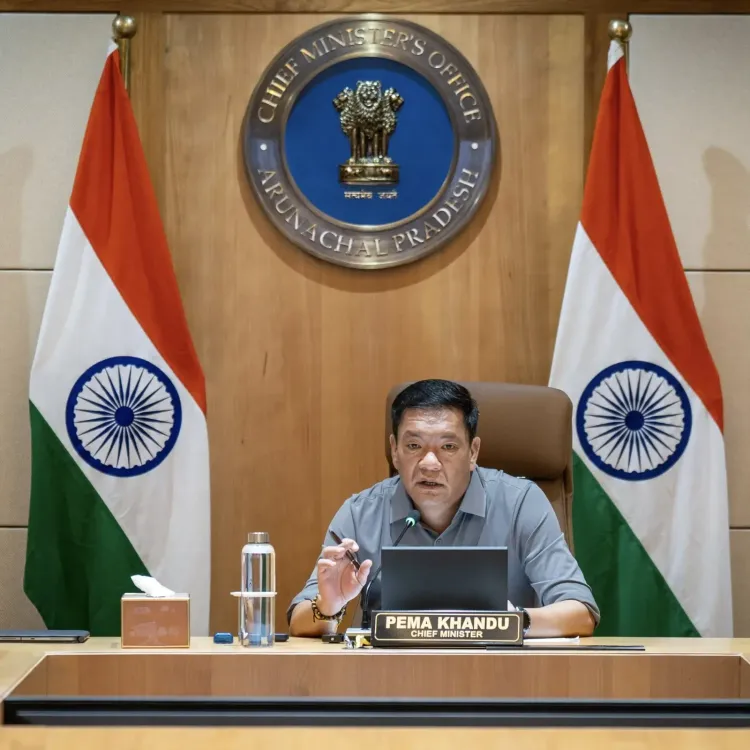
The Arunachal Pradesh Cabinet, led by Chief Minister Pema Khandu, on Sunday also reviewed the state's broader infrastructure gains. The Sela and Nechiphu tunnels have significantly improved all-weather road connectivity, reinforcing both strategic mobility and tourism potential in the strategically sensitive border state.
On the aviation front, Donyi Polo Airport — the state's first greenfield airport — now has the capacity to handle one million passengers annually, while Tezu Airport has received a new terminal building. Notably, Arunachal Pradesh shares a long international border with China, making such infrastructure investments significant beyond their civilian utility.
Border Village Connectivity and Vibrant Villages Programme
Under the Vibrant Villages Programme, 455 villages across 11 districts were selected in Phase-I, with 1,022 km of roads worth ₹2,205 crore approved to connect 126 border villages. A further 122 villages along the Myanmar and Bhutan borders have been included in Phase-II, integrating frontier communities into both development planning and national security considerations.
Welfare Milestones and Heritage Recognition
According to an official statement, Arunachal Pradesh has achieved 100 per cent saturation under the Pradhan Mantri Garib Kalyan Anna Yojana, covering more than 8.57 lakh beneficiaries. Around 55,000 families have received pucca houses registered in women's names. The state has also become the first in the Northeast to achieve full saturation under the Jal Jeevan Mission, with 2.28 lakh houses receiving functional household tap connections.
More than 2.26 lakh families are covered under Ayushman Bharat Pradhan Mantri Jan Arogya Yojana (AB-PMJAY) and the Chief Minister Arogya Arunachal Yojana (CMAAY), providing cashless treatment of up to ₹5 lakh per family per year. Over 1.14 lakh farmers have been enrolled under PM-KISAN, with more than ₹150 crore transferred directly to their accounts. Nearly one lakh women have been mobilised into 15,999 Self-Help Groups, with more than 16,000 already becoming 'Lakhpati Didis'.
On the cultural front, 20 indigenous products have secured Geographical Indication (GI) tags, and rare manuscripts are being digitised under the Gyan Bharatam Mission. The Union Budget for 2026-27 also announced a scheme to develop Buddhist circuits across six Northeastern states, including Arunachal Pradesh. Under the special assistance to states for capital investment, ₹4,900 crore has been allocated to Arunachal Pradesh under the Pride of Hills component.
The state Cabinet collectively reaffirmed its commitment to the goal of a 'Viksit Bharat by 2047', with officials signalling that the hydropower and infrastructure pipeline will remain a priority for the coming years.
Point of View
But the real story is whether the ₹52,000 crore pipeline for five additional projects avoids the same implementation drag. Arunachal Pradesh holds an estimated 50,000 MW of hydropower potential, yet barely a fraction has been harnessed; the gap between approved investment and installed capacity remains the sector's defining accountability question. The Vibrant Villages Programme framing is also telling: border infrastructure here serves dual purpose, and the confluence of energy, roads, airports, and village connectivity signals that New Delhi is treating Arunachal's development as inseparable from its strategic posture along the Line of Actual Control.
NationPress
11 Oct 2026
Frequently Asked Questions
What is the Subansiri Lower Hydroelectric Project?
The Subansiri Lower Hydroelectric Project is a 2,000 MW run-of-river hydropower project on the Subansiri river in Arunachal Pradesh, developed at a cost of ₹30,071 crore . Four of its units have been commissioned as of October 2026, with the remaining units expected to follow shortly.
How much has been approved for additional hydropower projects in Arunachal Pradesh?
Investments exceeding ₹52,000 crore have been approved for five additional hydropower projects in the state. These are expected to generate nearly 4,000 MW of renewable energy, contributing to India's net-zero emissions targets.
What is the Vibrant Villages Programme and how does it affect Arunachal Pradesh?
The Vibrant Villages Programme is a central government initiative to develop border settlements and integrate them into mainstream development. In Arunachal Pradesh, 455 villages across 11 districts were covered in Phase-I, with 1,022 km of roads worth ₹2,205 crore approved for 126 border villages; Phase-II adds 122 villages along the Myanmar and Bhutan borders.
How has Arunachal Pradesh performed under the Jal Jeevan Mission?
Arunachal Pradesh became the first state in the Northeast to achieve 100 per cent saturation under the Jal Jeevan Mission, delivering functional household tap connections to 2.28 lakh houses across the state.
What is the significance of Donyi Polo Airport?
Donyi Polo Airport is Arunachal Pradesh's first greenfield airport and can handle one million passengers annually . Along with the upgraded Tezu Airport , it marks a significant improvement in air connectivity for a state that has historically relied on road and helicopter access, with strategic implications given its proximity to the international border.