CM Pema Khandu marks World Tourism Day with call for responsible travel

Synopsis
On World Tourism Day 2026, Arunachal Pradesh CM Pema Khandu called for responsible tourism that preserves heritage, protects the environment, and uplifts local communities — a message that carries particular weight for one of India's most ecologically and culturally rich frontier states.
Key Takeaways
Arunachal Pradesh CM Pema Khandu posted a World Tourism Day message on 27 September 2026 calling for responsible tourism.
Khandu emphasised tourism's role in cultural exchange, heritage preservation, environmental protection, and local community benefit.
Arunachal Pradesh is home to exceptional biodiversity and dozens of indigenous tribal cultures, making responsible tourism a high-stakes policy matter for the state.
India's Swadesh Darshan scheme (launched 2014–15 ) provides a national framework for theme-based tourist circuits, including in the Northeast.
Northeastern states broadly pursue sustainable tourism to safeguard fragile ecosystems while opening border regions to regulated visitor access.
On World Tourism Day, 27 September 2026, Arunachal Pradesh Chief Minister Pema Khandu used the global observance to spotlight what he sees as tourism's highest purpose — not just economic gain, but the weaving together of peoples, cultures, and the natural world.
Posting on X, CM Khandu wrote: 'Tourism brings people and cultures together, while creating opportunities and fostering a deeper appreciation of our natural and cultural heritage. Let us promote responsible tourism that preserves our heritage, protects our environment and benefits local communities.'
Why Arunachal's voice on tourism carries particular weight
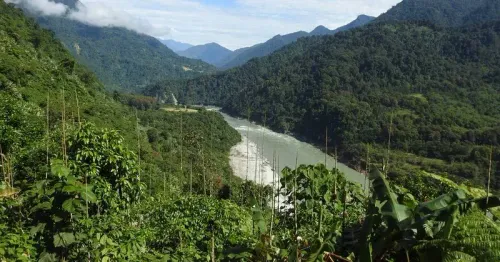
Arunachal Pradesh is one of India's most biologically and culturally rich frontiers — home to dense forests, high-altitude landscapes, and dozens of indigenous tribal communities whose traditions remain largely intact. That makes the Chief Minister's emphasis on 'responsible tourism' more than a ceremonial phrase. The state sits at the intersection of ecology, identity, and geopolitical sensitivity, where unregulated tourist influx can erode exactly what draws visitors in the first place.
Northeastern states have collectively pursued sustainable tourism frameworks to generate revenue while protecting fragile ecosystems and tribal heritage. Arunachal's approach mirrors a broader national push to open border regions to regulated tourism without compromising security or cultural continuity.
Swadesh Darshan and the Northeast's place on India's tourism map
At the national level, India's Swadesh Darshan scheme, launched in 2014–15, has sought to develop theme-based tourist circuits — including routes across the Northeast — giving states like Arunachal a policy scaffold to build on. Local communities and tourism operators remain the fulcrum of this model: when tourism dollars flow to village homestays and indigenous guides rather than distant conglomerates, heritage is preserved rather than commodified.
CM Khandu's message on World Tourism Day distils that philosophy into a single, forward-looking call. Responsible travel, he argues, is not a constraint on tourism — it is tourism's most durable form.
The real test of that vision will come in what follows the sentiment: new eco-tourism circuits, community-based travel projects, and clear protocols that keep Arunachal's extraordinary landscapes and living cultures intact for the next generation of visitors — and the generation after that.
Point of View
The CM positions Arunachal Pradesh within India's broader push to make the Northeast an engine of sustainable development — not just a security-managed periphery. The message also implicitly flags the limits of mass tourism in a state where unregulated access could damage both heritage and geopolitical sensitivities. Whether this translates into concrete new circuits or community-tourism protocols will determine whether the sentiment becomes policy.
NationPress
27 Sept 2026
Frequently Asked Questions
What did Pema Khandu say on World Tourism Day 2026?
Arunachal Pradesh CM Pema Khandu called for responsible tourism that preserves heritage, protects the environment, and benefits local communities, marking World Tourism Day on 27 September 2026.
Why is responsible tourism important for Arunachal Pradesh?
Arunachal Pradesh is home to exceptional biodiversity and dozens of indigenous tribal cultures, meaning unregulated tourism could damage the very heritage and ecosystems that attract visitors, making responsible practices essential.
What is the Swadesh Darshan scheme and how does it relate to the Northeast?
Swadesh Darshan, launched in 2014–15, is India's national scheme to develop theme-based tourist circuits, including routes across Northeastern states like Arunachal Pradesh, giving them a policy framework for sustainable tourism development.
When is World Tourism Day celebrated?
World Tourism Day is observed annually on 27 September to highlight tourism's role in cultural exchange and economic development.
How is Arunachal Pradesh developing its tourism sector?
Arunachal Pradesh pursues sustainable and responsible tourism policies that aim to generate revenue while protecting fragile ecosystems, tribal heritage, and border-region sensitivities, in line with broader Northeastern state strategies.