Shekhawat meets Arunachal CM Pema Khandu on culture, tourism
Synopsis
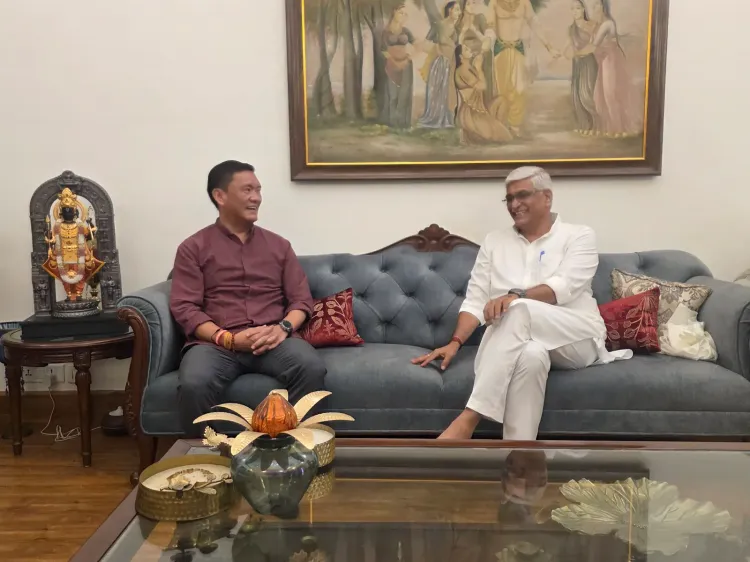
Union Culture and Tourism Minister Gajendra Singh Shekhawat met Arunachal Pradesh Chief Minister Pema Khandu at his New Delhi residence on 10 July 2026. The two leaders discussed cultural heritage, tourism development, and other key issues, continuing the Centre's focus on integrating the Northeast into national tourism and heritage frameworks under the Act East Policy.
Key Takeaways
Gajendra Singh Shekhawat hosted Arunachal Pradesh CM Pema Khandu at his New Delhi residence on 10 July 2026 .
Discussions covered cultural heritage , tourism development , and other important subjects concerning the northeastern state.
Arunachal Pradesh borders China , Myanmar , and Bhutan and is a focus area under the Centre's Act East Policy .
The Swadesh Darshan scheme (launched 2014-15 ) has previously funded Buddhist and tribal heritage tourist circuits in Arunachal Pradesh .
Local tribal communities and tourism operators stand to benefit from any new central scheme allocations arising from such coordination.
Possible announcements on new tourism or heritage projects for Arunachal Pradesh may follow in the next parliamentary session or state-central meetings.
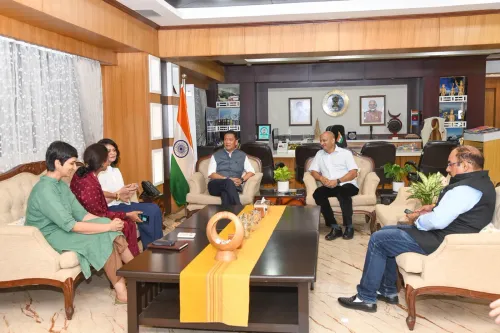
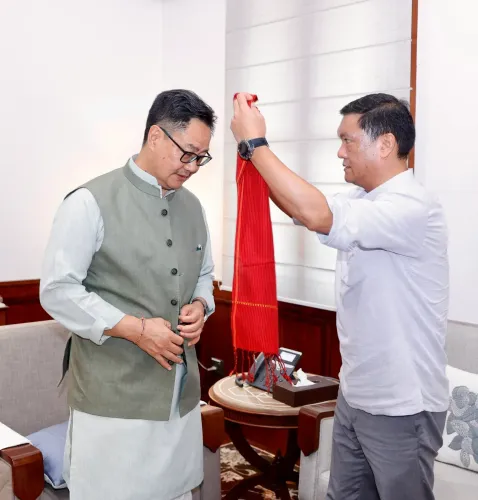
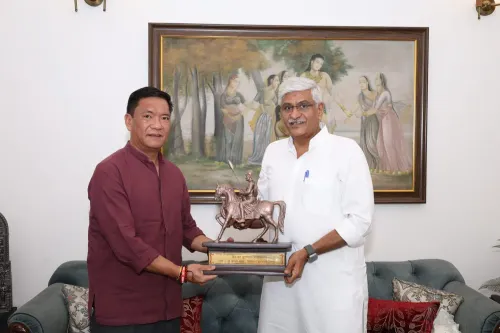
Union Culture and Tourism Minister Gajendra Singh Shekhawat hosted Arunachal Pradesh Chief Minister Pema Khandu at his New Delhi residence on Friday, 10 July 2026, for discussions on cultural heritage, tourism development, and other key issues concerning the northeastern state.
Shekhawat shared the news on X, writing: 'Aaj Nai Dilli aawas par Arunachal Pradesh ke Mananiya Mukhyamantri Shri Pema Khandu ji ka sukhad aagaman hua. Unse saanskritik virasat, paryatan vikas tatha anya mahatvapurna vishyon par charcha hui.' [Today, the Honourable Chief Minister of Arunachal Pradesh, Shri Pema Khandu, paid a pleasant visit to my New Delhi residence. We discussed cultural heritage, tourism development, and other important subjects.]
Context
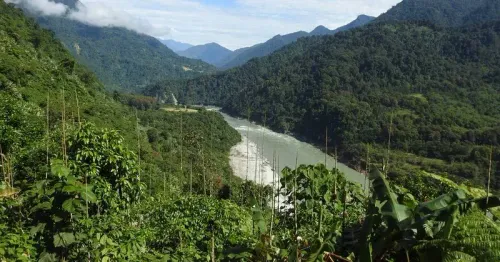
Pema Khandu has served as Chief Minister of Arunachal Pradesh since 2016, when he joined the BJP and aligned the state's governance with the central government's priorities for the Northeast. Arunachal Pradesh is a biodiversity-rich state bordering China, Myanmar, and Bhutan, and is home to significant tribal cultural traditions and Buddhist monastery circuits that hold considerable tourism potential.
The bilateral meeting between a Union Minister and a Chief Minister of this region is notable given the Centre's sustained focus on integrating northeastern states into national tourism and heritage frameworks. Such consultations typically feed into project planning, scheme allocations, and policy coordination between state and central governments.
Policy Backdrop
The Ministry of Culture and Tourism has been channelling central resources into the Northeast through flagship schemes. The Swadesh Darshan scheme, launched in 2014-15, funds theme-based tourist circuits across India, with projects in Arunachal Pradesh centred on Buddhist pilgrimage routes and tribal heritage trails. The PRASAD scheme similarly supports pilgrimage and spiritual tourism infrastructure.
Successive Union Budgets have prioritised connectivity and heritage conservation in border states like Arunachal Pradesh under the broader Act East Policy framework, which seeks to deepen India's economic and cultural engagement with Southeast Asia through its northeastern frontier. Tourism is viewed as a key driver of local employment for tribal communities and a soft-power instrument in the region.
Stakeholders and Impact
The primary beneficiaries of enhanced central-state coordination on tourism in Arunachal Pradesh are tourism operators, homestay owners, and local tribal communities whose livelihoods depend on domestic and international footfall. The state's remoteness has historically constrained visitor numbers, making central scheme funding for infrastructure critical.
Cultural heritage conservation also has a direct bearing on the state's indigenous communities, whose traditions, festivals, and monasteries form the backbone of its tourism identity. Any new project announcements flowing from such consultations would have tangible impact on these groups.
What's Next
Observers will watch for possible announcements regarding new Swadesh Darshan or PRASAD project allocations for Arunachal Pradesh during the next parliamentary session or at upcoming state-central coordination meetings. As the Centre continues to prioritise the Northeast in its tourism roadmap, meetings of this nature between Shekhawat and state chief ministers are likely to translate into concrete scheme approvals and infrastructure commitments in the months ahead.
Point of View
As a sensitive border state, carries both strategic and symbolic weight, making central ministerial attention to its tourism potential a dual-purpose exercise. The Act East Policy provides the ideological scaffolding, while schemes like Swadesh Darshan supply the fiscal mechanism. Sustained central-state dialogue of this kind typically precedes project announcements, suggesting the meeting may have a tangible policy output in the near term.
NationPress
9 Oct 2026
Frequently Asked Questions
Why did Gajendra Singh Shekhawat meet Pema Khandu in July 2026?
Shekhawat met Arunachal Pradesh Chief Minister Pema Khandu at his New Delhi residence on 10 July 2026 to discuss cultural heritage, tourism development, and other important issues related to the northeastern state.
What is the Swadesh Darshan scheme and does it cover Arunachal Pradesh?
Swadesh Darshan is a central government scheme launched in 2014-15 to develop theme-based tourist circuits across India. It has previously funded Buddhist pilgrimage and tribal heritage circuits in Arunachal Pradesh.
What is the Act East Policy and how does it relate to tourism in Arunachal Pradesh?
The Act East Policy is India's strategic framework to strengthen economic, cultural, and diplomatic ties with Southeast Asia through the northeastern states. Tourism infrastructure in border states like Arunachal Pradesh is a key component of this policy.
What could come out of the Shekhawat-Pema Khandu meeting?
While no specific outcomes were announced, such central-state consultations often precede new project allocations under schemes like Swadesh Darshan or PRASAD. Announcements may be made during the next parliamentary session or at upcoming coordination meetings.