CM Yogi greets Ram devotees at Deepotsav-2026 in Ayodhya
Synopsis
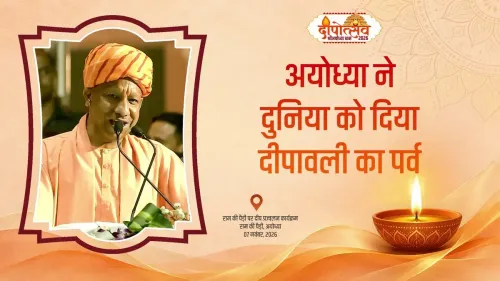
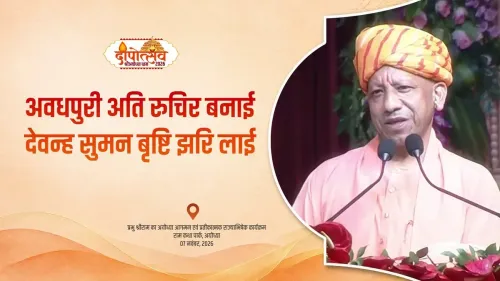
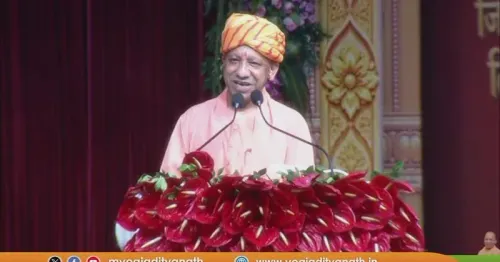
Uttar Pradesh Chief Minister Yogi Adityanath greeted Ram devotees at Deepotsav-2026 in Ayodhya on 8 November 2026, invoking the Sanskrit maxim 'Dharmo Rakshati Rakshitah' and describing the ancient city as aglow with divine splendour — the ninth edition of the state-organised festival since 2017.
Key Takeaways
CM Yogi Adityanath posted greetings for Deepotsav-2026 in Ayodhya on 8 November 2026 , invoking the Sanskrit maxim Dharmo Rakshati Rakshitah.
He referred to Ayodhya by its classical name Awadhpuri and described the city as illuminated by devotion to Lord Ram and Sanatan culture.
The Uttar Pradesh government has organised Deepotsav annually in Ayodhya since 2017 , the year CM Yogi took office.
The festival has grown in scale each year and gained added significance after the consecration of the Ram Mandir in January 2024.
Official attendance and tourism revenue figures for the 2026 edition are awaited from the state government.
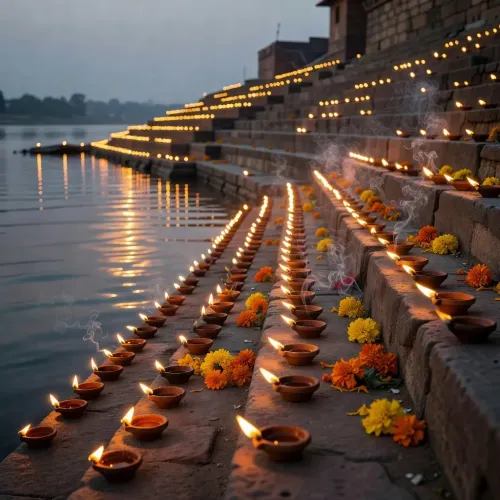
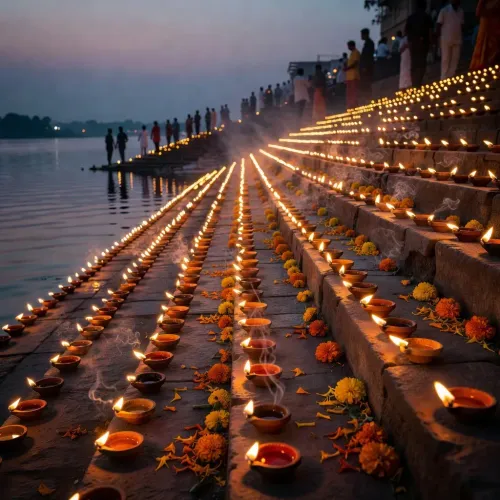
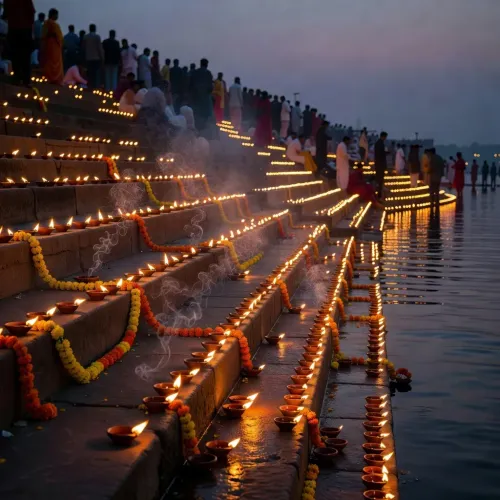
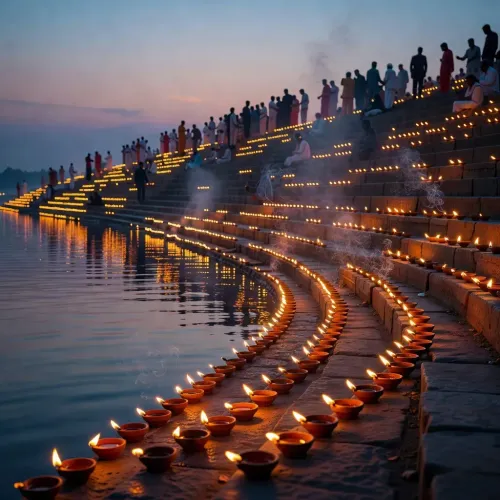
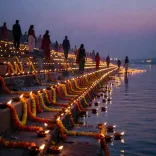
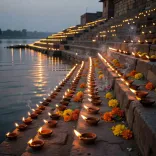
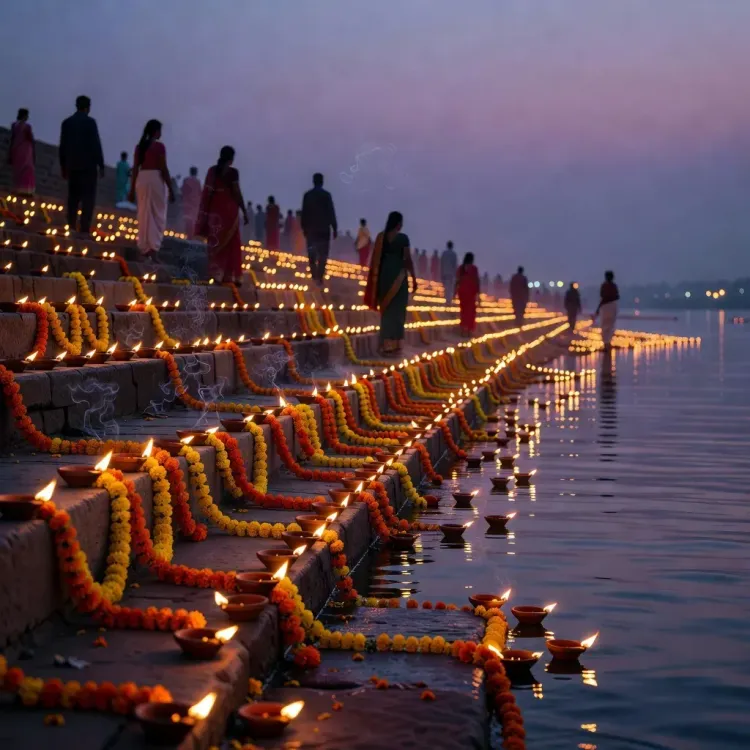
Millions of oil lamps flickered along the banks of the Sarayu on Sunday night as Ayodhya lit up for Deepotsav-2026 — and Uttar Pradesh Chief Minister Yogi Adityanath marked the occasion with a Sanskrit invocation and a heartfelt greeting to every devotee gathered at the ancient pilgrim city.
Invoking the timeless Dharmashastra maxim 'Dharmo Rakshati Rakshitah' ('Dharma protects those who protect it'), CM Yogi described Ayodhya — referred to by its classical name Awadhpuri — as radiating 'extraordinary divinity and transcendent grandeur.' He extended 'heartfelt congratulations and felicitations' to all Ram devotees participating in the festival, signing off with the chant 'Jai Jai Shri Ram.'
Nine years of Deepotsav: from a state event to a national spectacle
The Uttar Pradesh government launched Deepotsav in Ayodhya in 2017 — the same year CM Yogi took office — as a deliberate effort to position the city as a centrepiece of India's religious-tourism map. What began as a ceremonial lighting of diyas along the Sarayu ghats has grown, edition by edition, into one of the country's most-watched cultural events, drawing pilgrims and visitors from across the subcontinent.
The festival gained additional resonance after the consecration of the Ram Mandir in January 2024, which followed the Supreme Court's landmark verdict on the Ram Janmabhoomi site. With the temple now standing, each subsequent Deepotsav carries the weight of both cultural celebration and a tangible policy achievement for the state government.
Ayodhya's transformation as a pilgrimage economy
CM Yogi's post is more than seasonal greetings — it sits within a sustained, multi-year state push to upgrade Ayodhya's infrastructure, ghats, and visitor facilities as part of a broader religious-tourism circuit across eastern Uttar Pradesh. Successive Deepotsav editions have been accompanied by announcements of new road links, airport upgrades, and riverfront development along the Sarayu.
The alignment is deliberate: cultural events generate footfall, footfall justifies infrastructure spend, and infrastructure spend feeds back into the tourism economy. For the Yogi Adityanath government, Ayodhya functions as the flagship proof-of-concept for that loop — and Deepotsav is its most visible annual demonstration.
Official attendance figures and tourism revenue data for the 2026 edition are expected to be released by the state government in the days ahead — numbers that will be watched closely as a measure of how far the city's transformation has come since that first lamp-lit evening nine years ago.
Point of View
A posture that has defined the Yogi administration since 2017. With the Ram Mandir now consecrated, Deepotsav has shifted from aspiration to affirmation, making each edition a checkpoint on a long-running political and developmental project. How the state monetises that momentum — in tourism revenue, infrastructure investment, and electoral goodwill — will define Ayodhya's story well beyond any single festival night.
NationPress
8 Nov 2026
Frequently Asked Questions
What is Deepotsav in Ayodhya?
Deepotsav is an annual festival of lights organised by the Uttar Pradesh government in Ayodhya, featuring the lighting of millions of diyas along the Sarayu river. It has been held every year since 2017 and has grown into one of India's most prominent cultural-religious events.
What did CM Yogi say about Deepotsav-2026?
CM Yogi Adityanath invoked the Sanskrit maxim 'Dharmo Rakshati Rakshitah' and described Ayodhya as radiating extraordinary divinity and grandeur. He extended heartfelt congratulations to all Ram devotees participating in Deepotsav-2026.
When did Deepotsav start in Ayodhya?
The Uttar Pradesh government began organising Deepotsav in Ayodhya in 2017, the same year Yogi Adityanath became Chief Minister, as part of an effort to promote religious tourism in the city.
What is the significance of Ayodhya's Deepotsav after the Ram Mandir consecration?
The consecration of the Ram Mandir in January 2024 added a new dimension to Deepotsav, transforming it from a cultural aspiration into a celebration of a completed milestone. Each subsequent edition is seen as a reaffirmation of Ayodhya's status as a premier pilgrimage destination.
What does 'Dharmo Rakshati Rakshitah' mean?
'Dharmo Rakshati Rakshitah' is a Sanskrit verse from the Dharmashastra tradition meaning 'Dharma protects those who protect it.' CM Yogi used it to open his Deepotsav-2026 message on 8 November 2026.