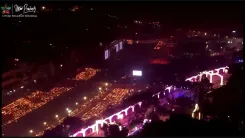
CM Yogi: 36 Lakh Diyas Lit at Ayodhya Deepotsav 2026
Synopsis
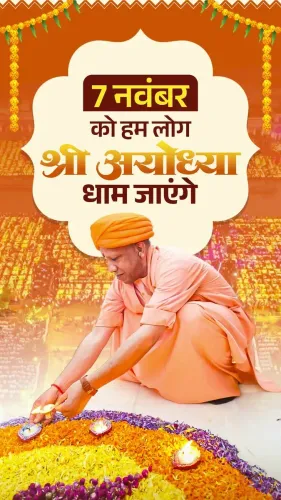
The Chief Minister's Office of Uttar Pradesh announced on 7 November 2026 that more than 36 lakh diyas were lit at Ayodhya Deepotsav, with CM Yogi Adityanath calling them symbols of the state's economic prosperity at the festival's ten-year milestone.
Key Takeaways
More than 36 lakh earthen lamps were lit at Ayodhya Dham during Deepotsav 2026 on 7 November 2026.
Chief Minister Yogi Adityanath described the diyas as symbols of Uttar Pradesh's economic prosperity .
The hashtag #deepostav1dasak marks the first decade of the state-organised Deepotsav, which began in 2017 .
Deepotsav is part of UP's broader strategy to establish Ayodhya as a premier religious tourism destination following the 2019 Supreme Court verdict .
The festival drives seasonal economic activity for local artisans, traders, and hospitality businesses in the region.
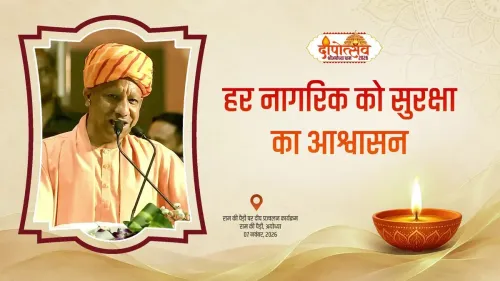
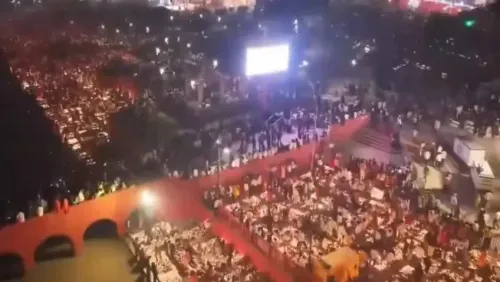
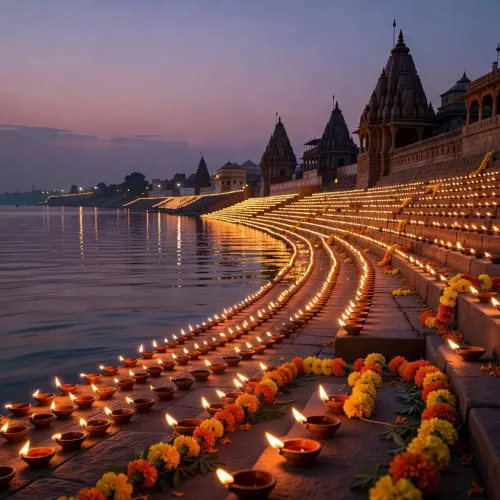
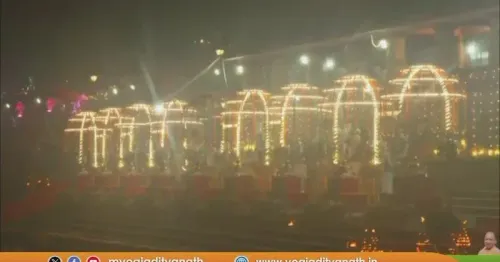
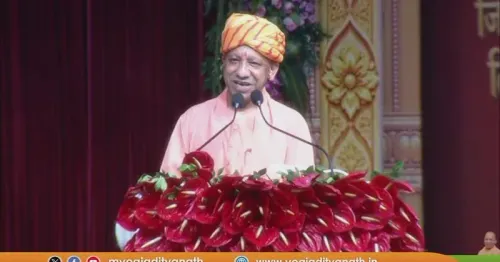
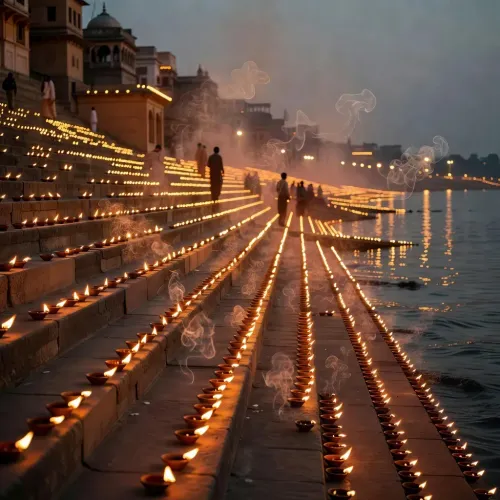
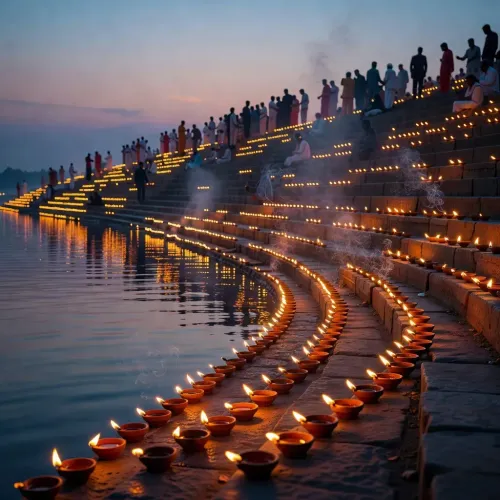
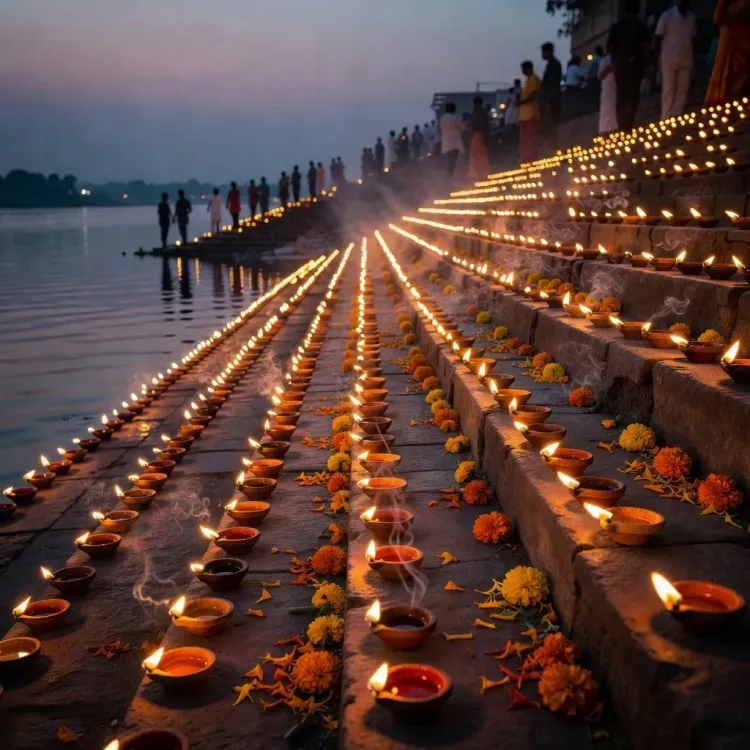
Thirty-six lakh earthen lamps are blazing along the sacred banks of the Sarayu river in Ayodhya this evening, turning the ancient city into a river of fire — and a statement. The Chief Minister's Office of Uttar Pradesh announced on Saturday, 7 November 2026, that Deepotsav 2026 has achieved this landmark illumination, with Chief Minister Yogi Adityanath declaring the diyas a symbol of the state's economic prosperity.
Quoting the Chief Minister directly, the post reads: 'Aaj Shri Ayodhya Dham mein 36 lakh se adhik deepak prajwalit ho rahe hain. Ye deepak Uttar Pradesh ki aarthik samridhi ke prateek hain.' — 'Today, more than 36 lakh lamps are being lit in Shri Ayodhya Dham. These lamps are symbols of Uttar Pradesh's economic prosperity.'
A Festival That Grew from a Tradition into a Record Chase
Deepotsav was first organised by the Uttar Pradesh government in 2017 — the same year Yogi Adityanath assumed office — as a state-sponsored celebration tied to Diwali in Ayodhya, the birthplace of Lord Rama. What began as a cultural revival exercise has grown into one of the most-watched festival spectaculars in the country, with the lamp count escalating each successive year. The 2026 edition marks a full decade of the event's reinvention under state patronage — reflected in the official hashtag #deepostav1dasak, signalling the first decade milestone.
The scale is deliberate. Each additional lamp is also a data point in Uttar Pradesh's bid to position Ayodhya as India's foremost religious tourism destination. Post the 2019 Supreme Court verdict on the Ram Janmabhoomi site, the city has seen sweeping infrastructure upgrades — a new international airport, widened pilgrimage corridors, and riverfront development along the Sarayu — all aimed at converting spiritual footfall into durable economic activity.
Ayodhya's Tourism Play Behind the Flame
The Chief Minister's framing — linking the diyas explicitly to economic prosperity rather than purely spiritual observance — is a window into a broader governance philosophy. Cultural festivals, in this framework, are engines of local commerce: tourists, pilgrims, local artisans supplying earthen lamps, flower garlands, and food stalls all feed into a seasonal economic surge. For a state the size of a mid-sized country, Ayodhya's transformation is a showcase project.
The ripple reaches well beyond one evening. Ayodhya's rising profile as a pilgrimage and heritage destination has drawn private hospitality investment and spurred demand for ancillary services — a pattern the state government has actively encouraged through dedicated religious-tourism policy pushes since the Ram Temple consecration.
What Makes Deepotsav 2026 Different
The hashtag #deepostav1dasak — marking ten years — gives this edition a commemorative weight the earlier ones did not carry. A decade in, Deepotsav is no longer an experiment; it is an institution. The choice to anchor it in the language of economic achievement, not just cultural pride, signals where the Yogi administration wants the conversation to go as it looks toward the next phase of Ayodhya's development.
Thirty-six lakh flames. One message: Ayodhya is open, lit, and counting.
Point of View
CM Yogi Adityanath is consciously fusing religious identity with development optics — a duality that has defined his administration's approach to governance since 2017. Deepotsav's ten-year milestone gives the UP government a powerful narrative moment: cultural continuity meeting infrastructural ambition. As Ayodhya's transformation deepens, the festival increasingly serves as an annual report card on the state's religious-tourism economy, packaging spiritual heritage as a growth story with both domestic and global audiences in mind.
NationPress
7 Nov 2026
Frequently Asked Questions
What is Deepotsav in Ayodhya?
Deepotsav is an annual festival of lights organised by the Uttar Pradesh government in Ayodhya, featuring large-scale illumination of earthen lamps along the Sarayu riverfront during Diwali. It has been held every year since 2017.
How many diyas were lit at Deepotsav 2026?
More than 36 lakh (3.6 million) diyas were lit at Ayodhya Dham during Deepotsav 2026 on 7 November 2026 , according to the Chief Minister's Office of Uttar Pradesh.
When did Deepotsav start in Ayodhya?
Deepotsav was first organised in Ayodhya in 2017 , the year CM Yogi Adityanath took office. The 2026 edition marks its first decade , commemorated with the hashtag #deepostav1dasak.
Why does UP government organise Deepotsav?
The Uttar Pradesh government organises Deepotsav to promote Ayodhya as a major cultural and religious tourism destination, boost local economies, and showcase the state's heritage on a national and international stage.
What has changed in Ayodhya after the 2019 Supreme Court verdict?
Following the 2019 Supreme Court verdict on the Ram Janmabhoomi site, Ayodhya has seen major infrastructure upgrades including a new international airport, expanded pilgrimage corridors, and Sarayu riverfront development, all aimed at increasing tourist and pilgrim footfall.