CM Yogi's Deepotsav Message: Light as a Symbol of Good Governance
Synopsis
At Deepotsav 2026 in Ayodhya, CM Yogi Adityanath declared that the festival's millions of lamps symbolise good governance reaching every village of Uttar Pradesh, marking what appears to be a decade of the state-organised celebration.
Key Takeaways
CM Yogi Adityanath used Deepotsav 2026 to frame the festival's light as a symbol of good governance reaching rural Uttar Pradesh .
Deepotsav was first organised in Ayodhya in 2017 , the year Yogi Adityanath took office, as a state-led cultural revival event.
The hashtag #deepostav1dasak signals the event is marking approximately one decade of continuous celebration.
The annual festival has grown into one of India's most-watched state-organised cultural events, centred on the banks of the Saryu river in Ayodhya.
The CM's statement deliberately bridges the urban spectacle with a rural governance narrative, a recurring communication strategy of the BJP-led UP government.
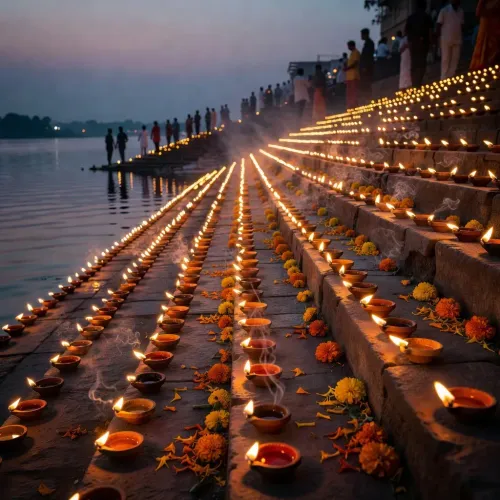
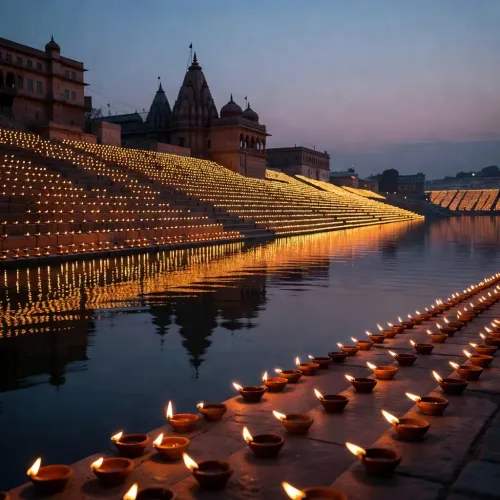
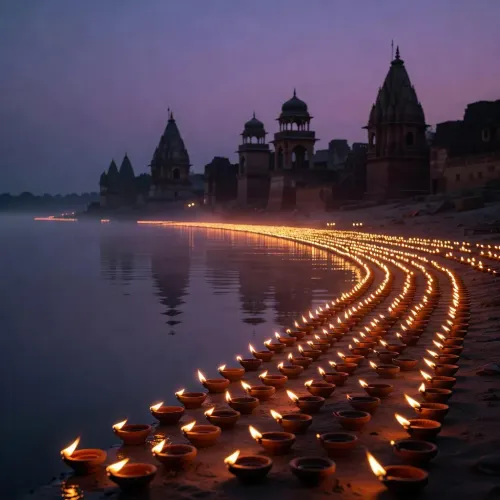
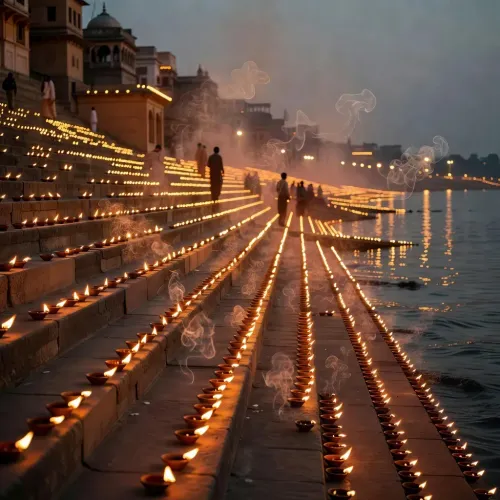
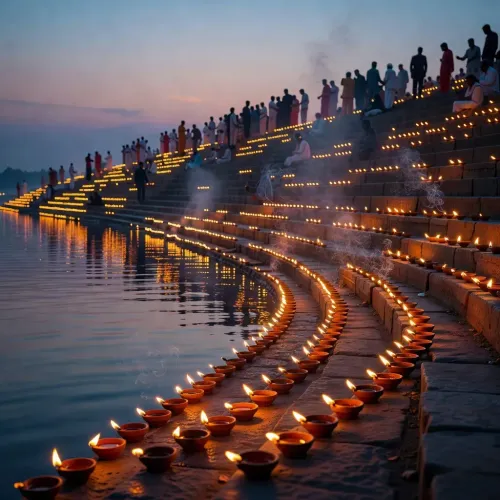
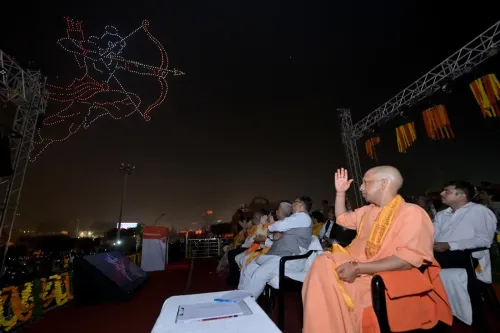
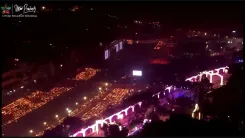
Millions of lamps blazing along the banks of the Saryu river in Ayodhya carried a message far beyond festivity on the evening of Saturday, 7 November 2026 — the Chief Minister's Office of Uttar Pradesh shared a pointed declaration from Chief Minister Yogi Adityanath that turned the spectacle of Deepotsav into a statement of administrative intent.
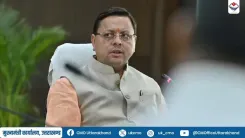
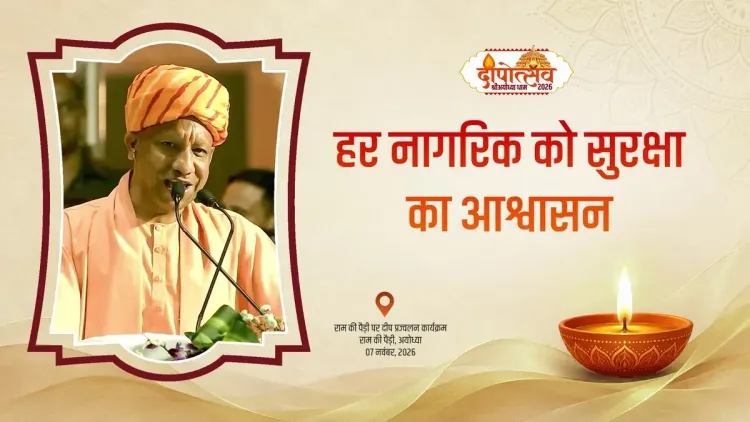
Quoting CM Yogi Adityanath directly, the official post read: 'Today, these millions of glowing lamps are not merely enhancing the joy of the Deepotsav celebration — the light emanating from here is reaching every village of Uttar Pradesh, reassuring each citizen of good governance.' The remark, shared under the hashtags #Deepotsav2026 and #deepostav1dasak, framed the annual festival of lights as both a cultural moment and a governance signal directed at the state's vast rural population.
A Decade of Diyas in Ayodhya
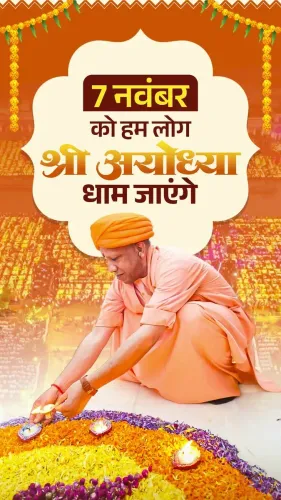
Deepotsav was launched in 2017 — the same year Yogi Adityanath first assumed office — as a state-organised mass Diwali celebration in Ayodhya, the historic city now home to the Ram Temple. The hashtag #deepostav1dasak points to the event marking roughly a decade of continuous celebration, a milestone the government has chosen to amplify publicly. What began as a cultural revival exercise has grown into one of the most-watched annual state events in India, drawing pilgrims, tourists, and media attention to the banks of the Saryu each October-November.
Uttar Pradesh is India's most populous state, with a predominantly rural demographic spread across hundreds of districts. For the BJP-led government, Ayodhya has served as a consistent stage — linking heritage, religion, and administrative messaging in a single frame. The Deepotsav format, with its photogenic rows of earthen lamps, provides imagery that travels well beyond the event's physical footprint.
Governance Framed in Firelight
The CM's choice of language is deliberate: the light, he said, 'reaches every village' and 'reassures every citizen' — a rhetorical bridge between a spectacular urban event and the everyday concerns of rural UP. It is a communication strategy that has defined the Yogi administration's cultural calendar since 2017, using large-scale festivals as platforms to project development narratives. Whether that reassurance translates into measurable rural outcomes is a question that outlasts the evening's glow.
With the 2026 edition appearing to mark a ten-year arc of Deepotsav, expect the state government to double down on the event's symbolic weight — linking it to tourism numbers, infrastructure in Ayodhya, and the broader 'New UP' branding that has been central to the administration's identity. The lamps may be extinguished by morning, but the political messaging they carry is designed to linger.
Point of View
The government is clearly investing in the event's longevity as a political and cultural asset. The real test, analysts would note, is whether the imagery of light translates into the kind of rural development data that sustains that narrative beyond a single evening.
NationPress
7 Nov 2026
Frequently Asked Questions
What is Deepotsav in Ayodhya?
Deepotsav is a large-scale Diwali festival of lights organised by the Uttar Pradesh government in Ayodhya, featuring millions of earthen lamps lit along the Saryu river. It was launched in 2017 under Chief Minister Yogi Adityanath to revive cultural traditions and promote tourism.
What did CM Yogi Adityanath say at Deepotsav 2026?
CM Yogi Adityanath said that the millions of lamps at Deepotsav 2026 are not just adding to the joy of the celebration — the light emanating from Ayodhya is reaching every village of Uttar Pradesh and reassuring each citizen of good governance.
When did Deepotsav start in Ayodhya?
Deepotsav began in Ayodhya in 2017, the same year Yogi Adityanath assumed office as Chief Minister of Uttar Pradesh, as part of an effort to revive the city's cultural and religious heritage.
What does the hashtag deepostav1dasak mean?
'1 dasak' means 'one decade' in Hindi, suggesting that the 2026 edition of Deepotsav is marking approximately ten years of the state-organised festival in Ayodhya.
Why does the UP government organise Deepotsav every year?
The Uttar Pradesh government organises Deepotsav annually to promote Ayodhya's cultural and religious heritage, boost tourism, and use the event as a platform to communicate governance achievements to citizens across the state.