CM Yogi Reaffirms Ayodhya as Deepotsav's Eternal Home
Synopsis
Chief Minister Yogi Adityanath reaffirmed on 7 November 2026 that Ayodhya gave the world the festival of Deepawali and that the state's annual Deepotsav tradition must continue to grow from there, marking what the government frames as a decade-long milestone.
Key Takeaways
The Chief Minister's Office of Uttar Pradesh quoted CM Yogi Adityanath on 7 November 2026 reaffirming Ayodhya as the origin of the Deepawali festival.
Deepotsav has been organised annually in Ayodhya by the UP government since at least 2017 .
The hashtag #deepotsav1dasak signals the government's framing of this edition as a decade-long milestone .
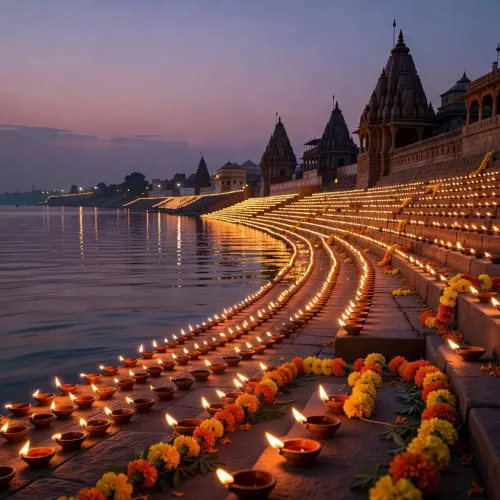
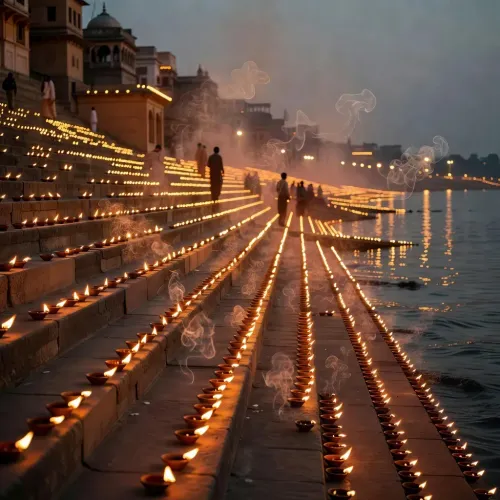
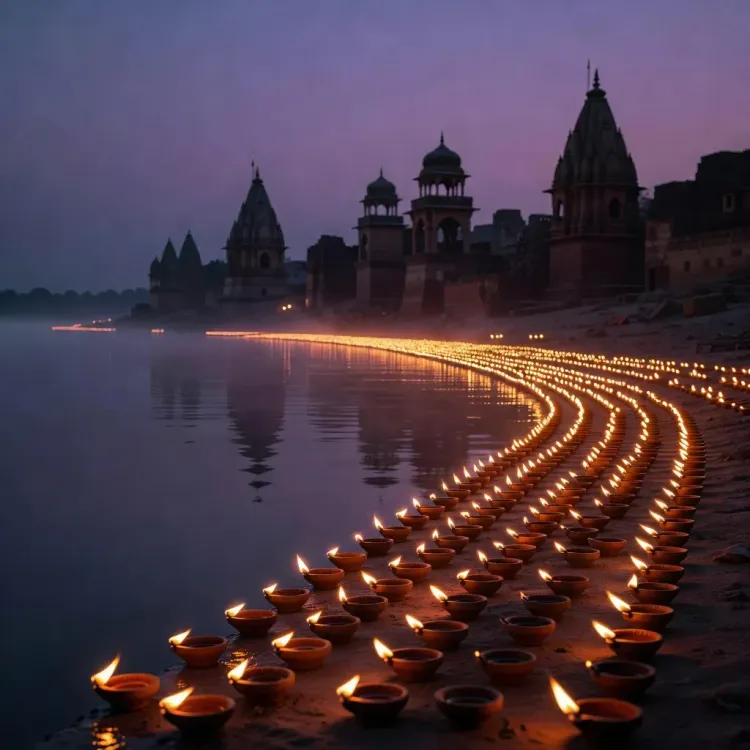
The event centres on mass lamp-lighting along the Saryu river ghats and large-scale cultural performances.
The UP government uses Deepotsav as a cornerstone of its strategy to position Ayodhya as a global cultural tourism hub .
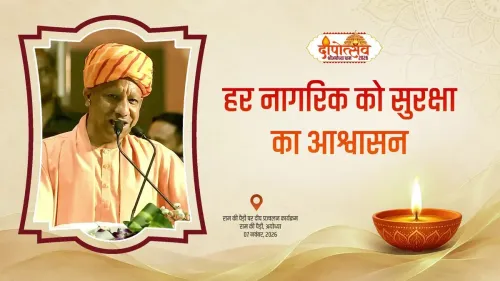
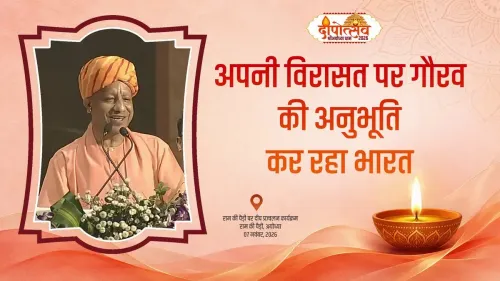
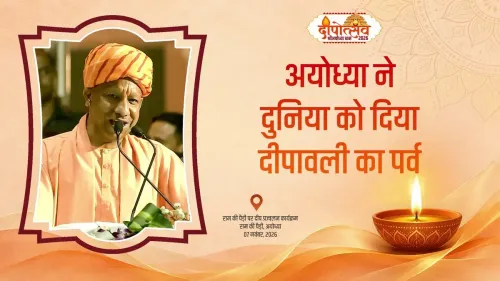
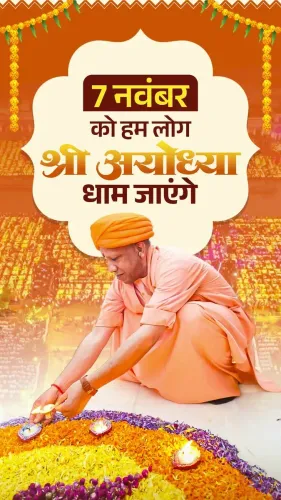
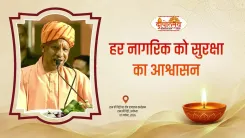
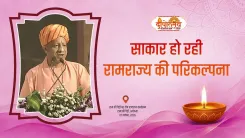
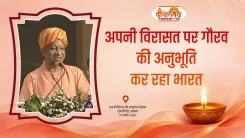
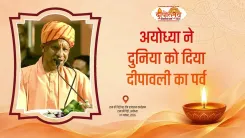
Every lamp lit during Diwali, Chief Minister Yogi Adityanath insists, traces its flame back to one city. On Saturday, 7 November 2026, the Chief Minister's Office of Uttar Pradesh shared a pointed declaration from the CM: that Ayodhya gave the world the festival of Deepawali, and that the tradition of Deepotsav must be carried forward from this very soil.
Posting under the hashtags #deepotsav1dasak and #Deepotsav2026, the CMO quoted Yogi Adityanath directly: 'Maine kaha tha — Ayodhya ne hi duniya ko Deepawali ka parv diya hai. Isliye Deepotsav ki parampara ko yahin se aage badhana hai' — 'I had said it before: it is Ayodhya that gave the world the festival of Deepawali. That is why the tradition of Deepotsav must be taken forward from here itself.'Nine Years of Lamps: How Deepotsav Became a State Mission
The Uttar Pradesh government has organised Deepotsav in Ayodhya every year since at least 2017, when Yogi Adityanath first took office. What began as a cultural assertion has grown into one of India's most-watched state-organised festivals, drawing pilgrims, tourists, and global attention to the banks of the Saryu river. The hashtag #deepotsav1dasak — referencing a decade — signals the government's framing of this edition as a milestone moment in that journey.
The annual event involves the lighting of hundreds of thousands of earthen lamps along the Saryu ghats, Guinness record attempts, and large-scale cultural performances. Successive editions have been used to cement Ayodhya's identity as a living centre of Hindu civilisational heritage, not merely a pilgrimage stop.
Ayodhya as Cultural Brand: The Bigger Political Architecture
The CM's statement is not just ceremonial — it is a piece of a larger, deliberate architecture. The Uttar Pradesh government has consistently positioned Ayodhya as a cultural tourism hub, investing in infrastructure, riverfront development, and international connectivity to back the narrative. Deepotsav functions as the annual centrepiece of that strategy: a spectacle that reinforces origin-story branding for one of Hinduism's most sacred sites.
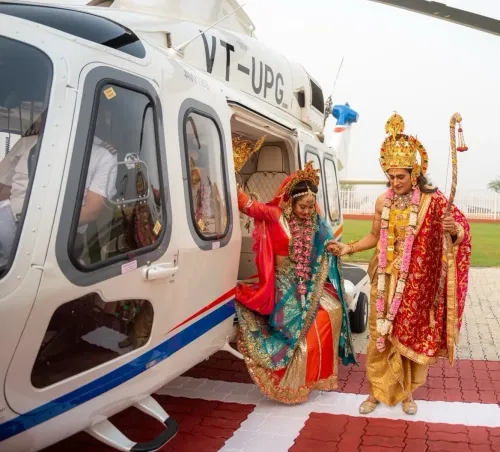
The claim that Ayodhya is the birthplace of the Diwali tradition draws on the Ramayana narrative — Lord Rama's return to Ayodhya after fourteen years of exile, celebrated by the citizens with rows of lamps. By institutionalising Deepotsav, the state government has transformed a mythological homecoming into a recurring, televised, record-breaking civic event.
As the #Deepotsav2026 edition approaches, the city that calls itself the world's first city of lights is preparing, once again, to make its case — one lamp at a time.
Point of View
The government converts mythological narrative into electoral and tourism capital simultaneously. The decade framing this year elevates the event from a recurring festival to a legacy claim, raising the stakes for scale and optics. Whether the infrastructure investments backing this narrative translate into sustained economic uplift for Ayodhya residents remains the key accountability question.
NationPress
7 Nov 2026
Frequently Asked Questions
What is Deepotsav in Ayodhya?
Deepotsav is an annual festival of lights organised by the Uttar Pradesh government in Ayodhya during the Diwali period, featuring mass lamp-lighting along the Saryu river ghats and cultural events. It has been held every year since at least 2017.
Why does CM Yogi say Ayodhya gave the world Deepawali?
CM Yogi Adityanath grounds the claim in the Ramayana tradition — the return of Lord Rama to Ayodhya after exile was celebrated by citizens lighting lamps, which the government presents as the origin of the Diwali festival.
When did Deepotsav start in Ayodhya?
The Uttar Pradesh government has organised Deepotsav in Ayodhya every year since at least 2017, when CM Yogi Adityanath first took office.
What does #deepotsav1dasak mean?
The hashtag #deepotsav1dasak references a decade ('dasak' means decade in Hindi), framing the current Deepotsav edition as a milestone marking approximately ten years of the state-organised festival.
How does Deepotsav fit into Ayodhya's tourism plans?
The UP government uses Deepotsav as the annual centrepiece of its strategy to position Ayodhya as a major cultural tourism hub, backed by investments in riverfront development, infrastructure, and international connectivity.