CM Yogi: Ayodhya Gave the World Deepotsav
Synopsis
Chief Minister Yogi Adityanath declared that Ayodhya gave the world Deepawali and Deepotsav, reaffirming the state's commitment to the annual festival as it marks what appears to be its tenth edition in 2026.
Key Takeaways
CM Yogi Adityanath stated that Ayodhya is the origin of the world's Deepawali and Deepotsav tradition.
The Uttar Pradesh government has organised Deepotsav in Ayodhya annually since 2017 .
The hashtag #deepostav1dasak indicates 2026 marks approximately a decade of the state-organised festival.
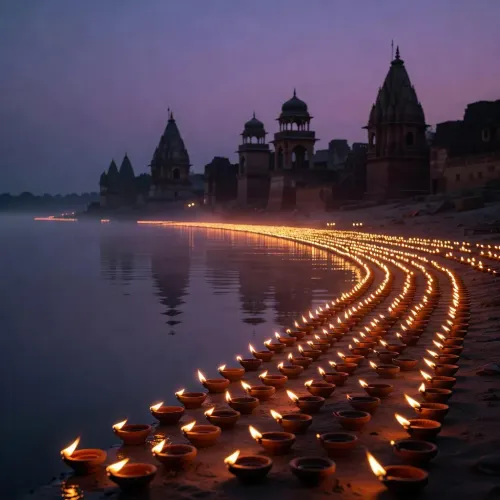
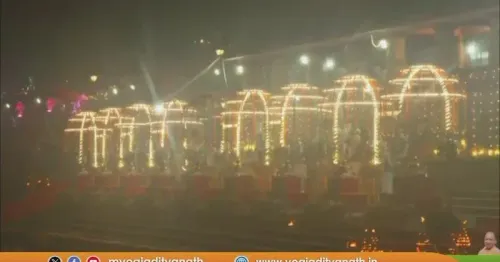
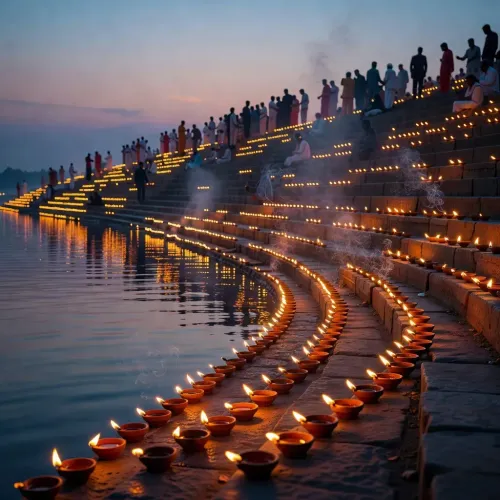
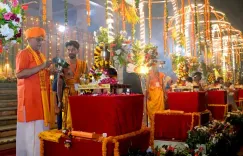
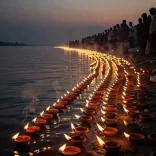
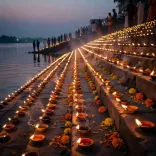
The event features mass lighting of diyas along the Sarayu river ghats in Ayodhya.
Deepotsav is a central pillar of UP's broader religious tourism and cultural heritage strategy centred on Ayodhya.
The city that gave the world its most luminous festival is lighting up once more. On Saturday, 7 November 2026, the Chief Minister's Office of Uttar Pradesh shared a statement from Chief Minister Yogi Adityanath reaffirming Ayodhya's place at the heart of India's Deepotsav tradition — and signalling that the annual celebration on the banks of the Sarayu river will only grow larger.
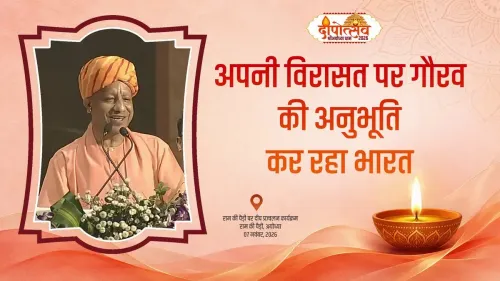
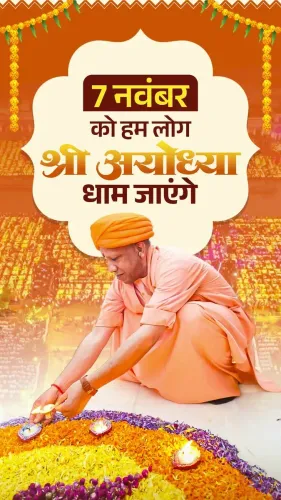
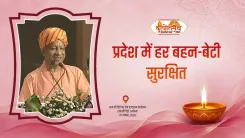
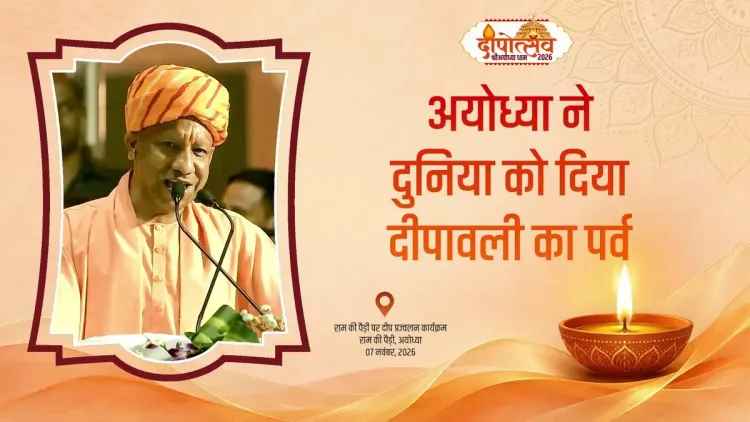
The CM's words, posted under the hashtags #deepostav1dasak and #Deepotsav2026, were direct: 'Ayodhya ne hi duniya ko Deepawali aur Deepotsav ka parv diya hai' — 'It is Ayodhya that gave the world the festival of Deepawali and Deepotsav.' He added that the state had resolved to carry this tradition forward from this sacred land itself.
Nine Years of Diyas — and a Decade Milestone
When the Yogi Adityanath government first organised Deepotsav in Ayodhya in 2017, it was a deliberate act of cultural reclamation — transforming a local religious occasion into a state-backed spectacle of mass diya-lighting along the Sarayu ghats. Each successive edition has pushed the scale further, drawing pilgrims, tourists, and global attention. The hashtag #deepostav1dasak — 'one decade of Deepotsav' — suggests 2026 marks a ten-year milestone for the event, making this edition particularly significant.
The festival has become one of the most photographed cultural events in Uttar Pradesh, with rows of earthen lamps stretching along the riverbank in an image that has travelled far beyond India's borders. For the state government, that image is also a policy statement: Ayodhya as a living, breathing centre of civilisational heritage.
Ram Mandir, Religious Tourism, and the Ayodhya Arc
Deepotsav does not exist in isolation. It sits at the centre of a broader transformation of Ayodhya — one that accelerated dramatically after the consecration of the Ram Mandir. Infrastructure upgrades, an international airport, and a surge in pilgrimage footfall have all reshaped the city's identity. Deepotsav is both a celebration of that identity and a driver of the religious tourism economy the state is actively building.
CM Yogi's framing — that Ayodhya 'gave the world' Deepawali — is a claim about civilisational origin, not just local pride. It positions the festival as a gift from this one city to global culture, and the state government as its faithful custodian. The resolve he articulates, to carry the tradition forward 'from this sacred land,' signals continuity and ambition in equal measure.
As diyas are counted, records are chased, and the Sarayu reflects another year of light, the question is not whether Deepotsav 2026 will be big — it's how much bigger it will be than the last.
Point of View
The CM elevates a state event into a claim of global cultural significance. The tenth-edition milestone gives the government a natural narrative peak to amplify that claim. Whether the scale of Deepotsav 2026 matches the rhetoric will be the real test of how far this Ayodhya-centred policy arc has actually travelled.
NationPress
7 Nov 2026
Frequently Asked Questions
What is Deepotsav in Ayodhya?
Deepotsav is an annual festival of lights organised by the Uttar Pradesh government in Ayodhya, featuring the mass lighting of earthen diyas along the Sarayu river, held every year around Diwali since 2017.
When did Deepotsav start in Ayodhya?
The Uttar Pradesh government under Chief Minister Yogi Adityanath began organising Deepotsav in Ayodhya in 2017, making 2026 approximately the tenth edition of the event.
What did CM Yogi Adityanath say about Ayodhya and Deepotsav?
CM Yogi Adityanath stated that it is Ayodhya that gave the world the festival of Deepawali and Deepotsav, and that the state government resolved to carry this tradition forward from Ayodhya itself.
Why is Deepotsav 2026 significant?
Deepotsav 2026 appears to mark the tenth anniversary of the state-organised festival, indicated by the hashtag #deepostav1dasak, making it a milestone edition for Uttar Pradesh's flagship cultural event.
How does Deepotsav connect to Ayodhya's religious tourism?
Deepotsav is a central part of the UP government's strategy to develop Ayodhya as a major religious tourism destination, complementing the Ram Mandir, infrastructure upgrades, and increased pilgrimage footfall in the city.