CM Yogi Links Deepotsav 2026 to 'New India' Governance Pledge
Synopsis
Chief Minister Yogi Adityanath used Deepotsav 2026 in Ayodhya — marking a decade of the state-organised festival — to restate a pledge of equitable, discrimination-free delivery of government welfare schemes to every citizen of Uttar Pradesh.
Key Takeaways
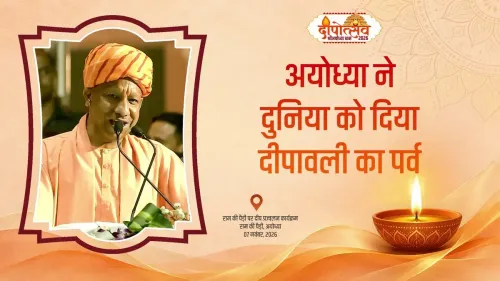
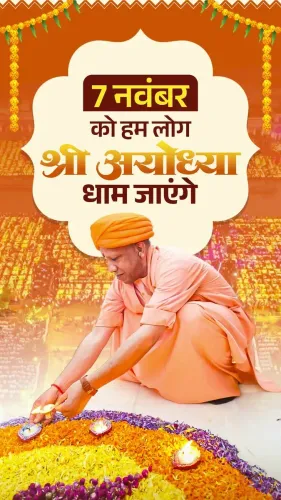
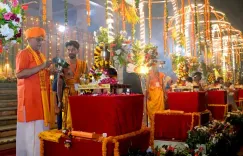
CM Yogi Adityanath addressed Deepotsav 2026 in Ayodhya on 7 November 2026 .
The event marks ten years of the Uttar Pradesh government's annual Deepotsav celebration, as flagged by the hashtag #deepostav1dasak .
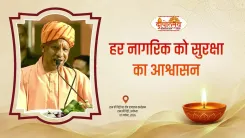
He pledged that 'new India' works to deliver governance schemes to each and every citizen without discrimination .
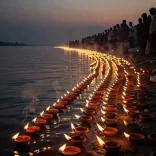
Deepotsav has been organised in Ayodhya annually since 2017 , growing from a local event into a national cultural spectacle.
The statement pairs cultural heritage pride with an explicit welfare delivery commitment — a consistent thread in the state government's public messaging.
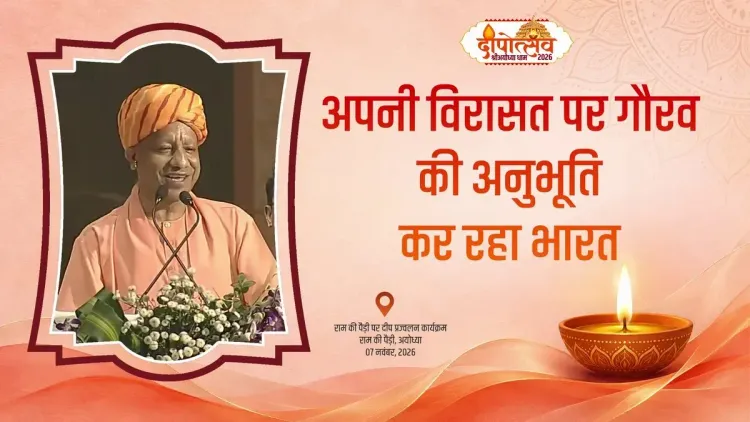
Pride in heritage and welfare for every citizen — that is the twin promise Chief Minister Yogi Adityanath put at the heart of Deepotsav 2026 in Ayodhya, as the Chief Minister's Office of Uttar Pradesh shared his words on Saturday, 7 November 2026.
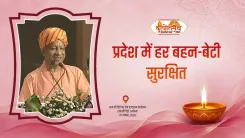
Speaking at the event, CM Yogi declared: 'Aaj ka naya Bharat apni virasat par gaurav ki anubhuti karta hai' — 'Today's new India takes pride in its heritage and, touching new heights of development, works to effectively deliver the schemes of governance to each and every citizen without any discrimination.'
A Decade of Deepotsav in Ayodhya
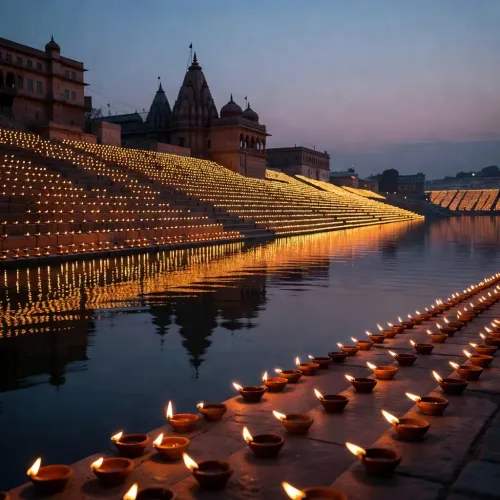
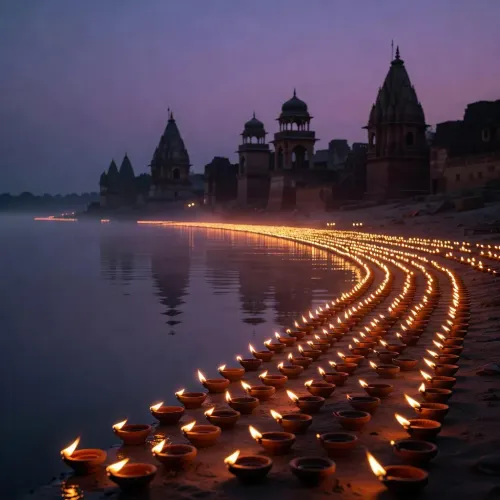
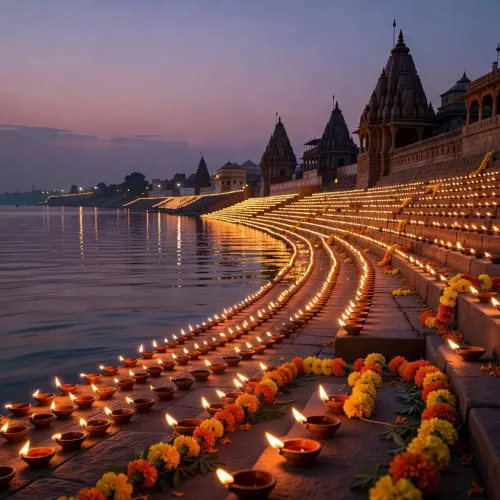
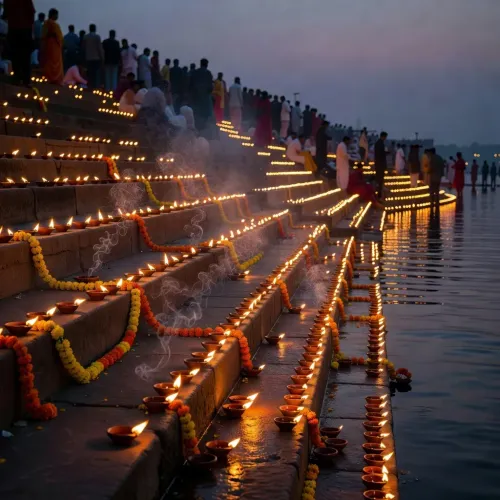
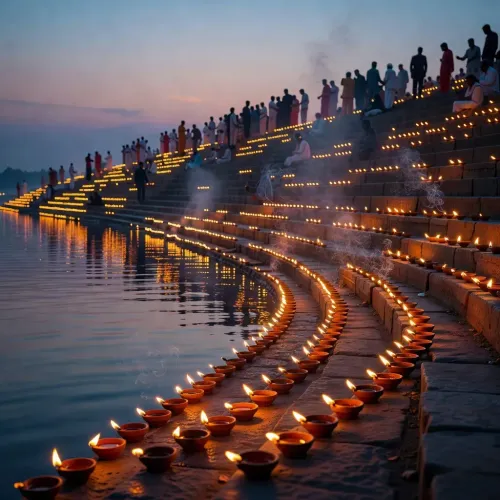
The Deepotsav celebration in Ayodhya has been an annual state-organised affair since 2017, when the Yogi Adityanath government first transformed the city's Diwali illumination into a large-scale cultural spectacle. The hashtag #deepostav1dasak — marking one decade of the event — signals that this edition carries a milestone weight the state is leaning into hard.
Over those ten years, Ayodhya has been repositioned not just as a pilgrimage hub but as a showcase for the state's development ambitions, particularly after the construction of the Ram Temple drew global attention. Infrastructure investment, tourism promotion, and cultural programming have layered on top of each other, turning the city into the most visible symbol of the government's 'heritage plus governance' brand.
Welfare Delivery as the Message Inside the Festival
What makes the statement notable is its deliberate pairing. CM Yogi did not simply celebrate the festival — he used the platform to restate a core governance commitment: reaching ek-ek nagarik ('each and every citizen') with state schemes, and doing so bina kisi bhedbhav ke ('without any discrimination'). The phrase is a direct address to concerns about equitable delivery of welfare in a state as large and diverse as Uttar Pradesh.
This messaging pattern — anchoring cultural pride to administrative accountability — has been a consistent feature of the state government's public communication, particularly around high-visibility events that draw national and international audiences to Ayodhya.
What the Tenth Edition Signals
The #Deepotsav2026 and #deepotsav2026ayodhyapuri hashtags suggest a scale and branding effort proportional to the anniversary milestone. For Uttar Pradesh, the event doubles as soft diplomacy — projecting a civilisational narrative outward while reinforcing a development-and-delivery narrative inward. That combination, landing on the tenth anniversary of a festival that began as a local ceremony and grew into a national talking point, is precisely the signal the government wants amplified.
Ten years in, the lamp keeps burning — and so does the political statement it carries.
Point of View
The CM is consciously stitching the cultural and the administrative into a single political identity. This is the same logic that has driven the state's heavy investment in Ayodhya's infrastructure — the city is not just a pilgrimage site but a living argument for the government's model. With assembly and national electoral cycles always on the horizon, Deepotsav functions as much as a political communication event as a cultural one.
NationPress
7 Nov 2026
Frequently Asked Questions
What is Deepotsav in Ayodhya?
Deepotsav is an annual large-scale Diwali illumination festival organised by the Uttar Pradesh government in Ayodhya since 2017, featuring mass lamp-lighting ceremonies that celebrate the city's cultural and religious heritage.
What did CM Yogi say at Deepotsav 2026?
CM Yogi Adityanath said that 'today's new India takes pride in its heritage and, touching new heights of development, works to effectively deliver government schemes to each and every citizen without any discrimination.'
How many years has Deepotsav been held in Ayodhya?
Deepotsav has been held annually in Ayodhya since 2017, making 2026 its tenth edition, as marked by the hashtag #deepostav1dasak.
Why is Ayodhya significant to the Uttar Pradesh government?
Ayodhya is a major Hindu pilgrimage city and the site of the Ram Temple. The state government has made it a focal point for cultural heritage promotion, religious tourism, and infrastructure investment under CM Yogi Adityanath.
What does 'bina kisi bhedbhav ke' mean in CM Yogi's Deepotsav speech?
The Hindi phrase 'bina kisi bhedbhav ke' means 'without any discrimination,' and CM Yogi used it to emphasise that welfare and governance schemes should reach every citizen of Uttar Pradesh equally.