CM Yogi Welcomes World to Ayodhya's Divya Deepotsav 2026
Synopsis
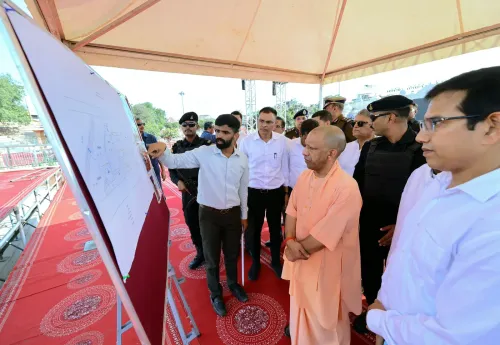
Uttar Pradesh CM Yogi Adityanath announced Ayodhya is fully ready for Divya Deepotsav 2026, welcoming the Vice President, foreign diplomats, and devotees to the festival of lights on the banks of the Sarayu River.
Key Takeaways
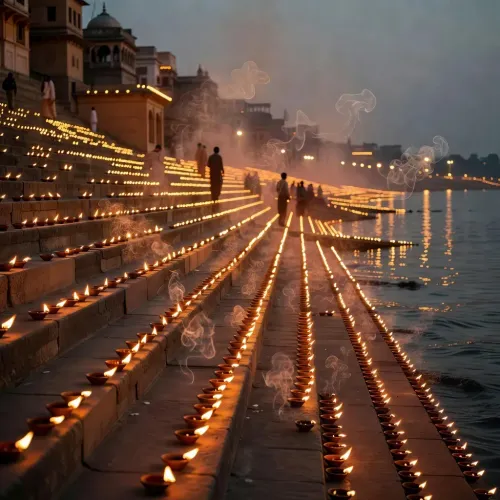
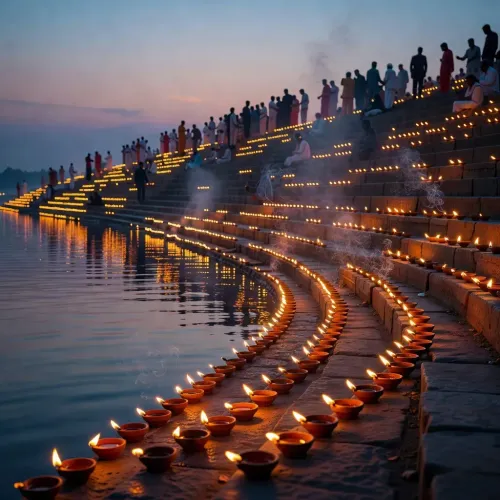
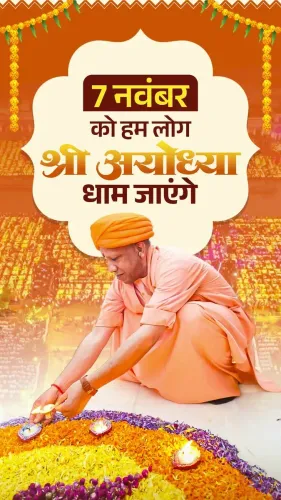
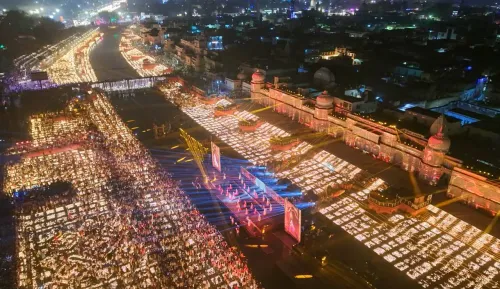
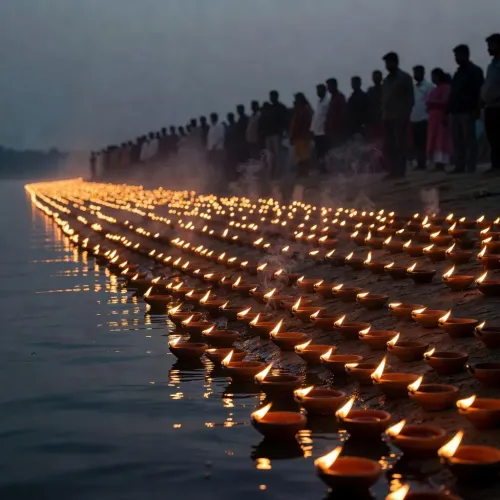
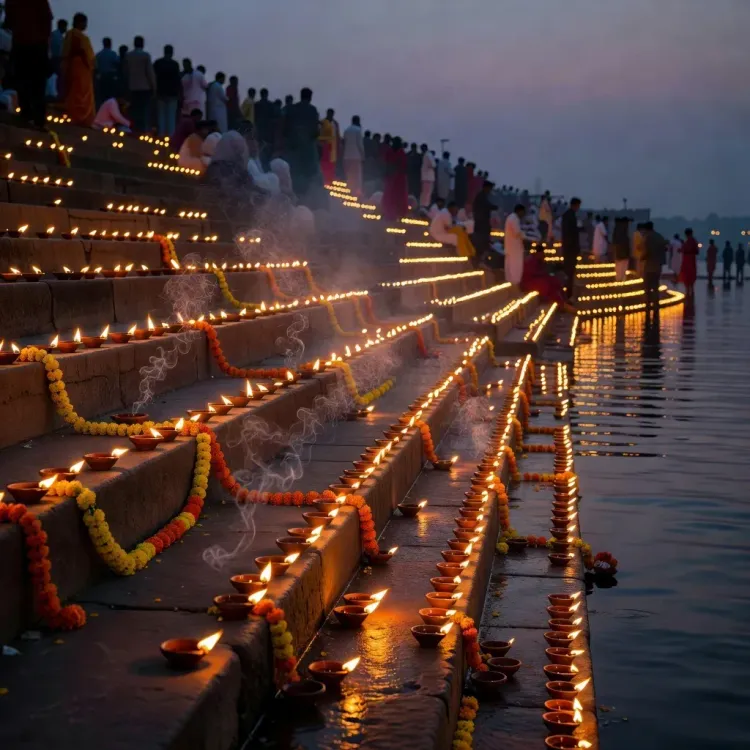
Ayodhya is hosting the Divya Deepotsav on 7 November 2026 , with thousands of lamps to be lit along the Sarayu River .
CM Yogi Adityanath formally welcomed the Vice President of India and diplomats from multiple friendly nations to the event.
The festival follows the January 2024 consecration of the Ram Temple and the 2019 Supreme Court verdict that cleared its construction.
The UP government is using Deepotsav as a cultural-diplomacy platform, with foreign envoys invited as guests of honour.
CM Yogi invoked Vasudhaiva Kutumbakam to frame the festival in universalist terms, emphasising equality, social harmony, and cultural integration.
Thousands of lamps are set to turn the banks of the Sarayu River gold tonight as Uttar Pradesh Chief Minister Yogi Adityanath announced that Ayodhya stands fully adorned for the Divya Deepotsav — a festival of lights that has grown, edition by edition, into one of India's most watched cultural spectacles.
Posting on Saturday, 7 November 2026, CM Yogi opened with a verse from the Shiva Purana — 'Ram rameti rameti rame rame manorame, sahasranama tattulyam ramanama varanane' — affirming that the name of Ram equals a thousand names. He described Ayodhya as the 'dharmanagari' (city of dharma) cradled in the lap of the sacred Sarayu, 'fully prepared for the grand Mahakumbh of devotion that is Divya Deepotsav.'
A Festival That Grew From Verdict to Consecration to Diplomacy
The arc of Deepotsav tracks closely with Ayodhya's transformation over the last decade. The 2019 Supreme Court verdict unlocked the path for the Ram Temple, and when the temple was consecrated in January 2024, the state government accelerated its cultural programming around the site. Each successive Deepotsav has arrived larger in scale, more elaborate in its riverfront illumination, and more deliberately international in its guest list.
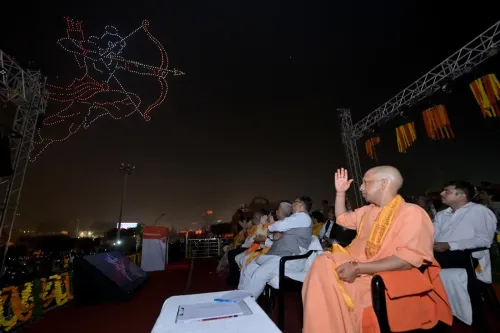
That last ambition is explicit in tonight's edition. CM Yogi extended a formal welcome to the Vice President of India, whose presence lends constitutional weight to the occasion, alongside ambassadors, high commissioners, and diplomats from multiple friendly nations. The invitation of foreign envoys signals that Ayodhya's cultural calendar is now being leveraged as an instrument of soft power — a living demonstration of 'Vasudhaiva Kutumbakam' (the world is one family), the Sanskrit phrase CM Yogi invoked directly in the post.
What CM Yogi's Words Signal for Ayodhya's Larger Ambitions
'Every particle of Awadhpuri is exultant today, is vibrating,' he wrote — a phrase that captures both the religious fervour and the political project. The Uttar Pradesh government has consistently positioned Ayodhya not only as a pilgrimage destination but as a tourism and cultural-diplomacy hub, backing the festival calendar with investments in airport upgrades, corridor widening, and riverside infrastructure.
The convergence of samata (equality), samarasata (social harmony), and sansthkritik ekatmata (cultural integration) in a single public statement reflects a messaging strategy that frames a religious festival in universalist language — broadening its appeal beyond any one demographic while keeping its devotional core intact.
When the diyas are lit along the Sarayu tonight, they will do double duty: an act of faith for millions of Ram devotees, and a postcard the world's diplomatic community is being invited to carry home.
Point of View
Reinforcing Ayodhya's post-consecration status as a site of constitutional as well as religious importance. For the BJP government in Lucknow, each Deepotsav is also a data point in its case that Ayodhya's transformation under its tenure is both tangible and ongoing.
NationPress
7 Nov 2026
Frequently Asked Questions
What is Divya Deepotsav in Ayodhya?
Divya Deepotsav is an annual festival of lights organised by the Uttar Pradesh government in Ayodhya, featuring the illumination of thousands of oil lamps along the banks of the Sarayu River to mark the occasion of Diwali near the Ram Temple precinct.
Who attended Ayodhya Deepotsav 2026?
CM Yogi Adityanath announced that the Vice President of India, along with ambassadors, high commissioners, and diplomats from several friendly nations, were invited as special guests to Divya Deepotsav 2026.
Why is Ayodhya significant for the Deepotsav festival?
Ayodhya is regarded as the birthplace of Lord Rama and the site of the Ram Temple consecrated in January 2024, making it the natural home of Deepotsav, which celebrates the return of Lord Rama to Ayodhya as described in the Ramayana.
What is the Sarayu River's connection to Ayodhya?
The Sarayu is the sacred river on whose banks Ayodhya is situated; it is referenced extensively in the Ramayana and forms the scenic backdrop for the lamp-lighting ceremonies of Deepotsav.
How has Ayodhya changed since the Ram Temple verdict?
Following the 2019 Supreme Court verdict and the January 2024 temple consecration, the Uttar Pradesh government has significantly expanded cultural programming, infrastructure, and international outreach around Ayodhya, with Deepotsav serving as the centrepiece event.