CM Yogi's Deepotsav 2026 Message: Faith, Resolve, Victory
Synopsis
On Deepotsav 2026, CM Yogi Adityanath sent a message from Ayodhya urging Ram devotees that clean intent and righteous resolve make any challenge surmountable, invoking 'Dharmameva Jayate' and 'Satyameva Jayate' as the festival marks what the UP government calls a decade of the celebration.
Key Takeaways
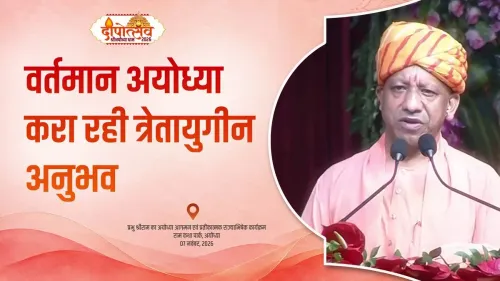
CM Yogi Adityanath shared a Deepotsav 2026 message through the Chief Minister's Office of Uttar Pradesh on 7 November 2026 .
The message was addressed to all Ram devotees, framing Ayodhya's Deepotsav as proof that clean intent and righteous resolve overcome any obstacle.
CM Yogi invoked both Dharmameva Jayate and Satyameva Jayate — dharma and truth shall prevail — as the festival's guiding principles.
The hashtag #deepotsav1dasak signals the UP government is marking approximately a decade of state-organised Deepotsav celebrations.
Deepotsav has been a flagship cultural initiative of the Yogi Adityanath government since 2017 , turning Ayodhya into a major state-promoted pilgrimage and tourism destination.
The festival's Ramayana-rooted imagery — ocean, jungle, exile, return — mirrors the CM's philosophical framing of governance through perseverance.
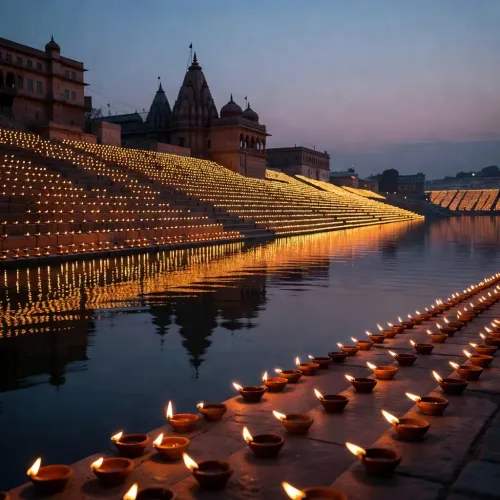
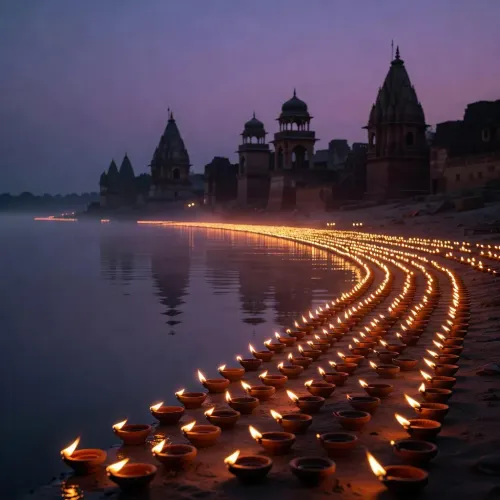
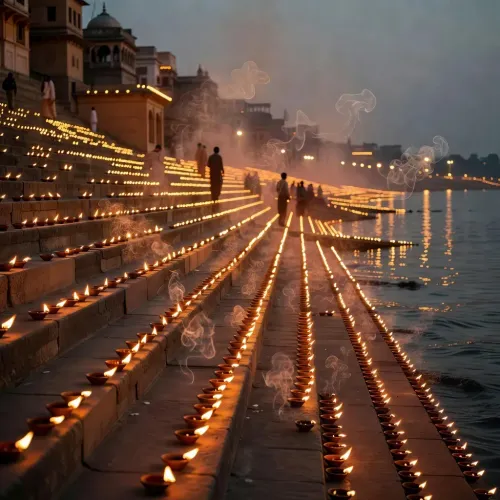
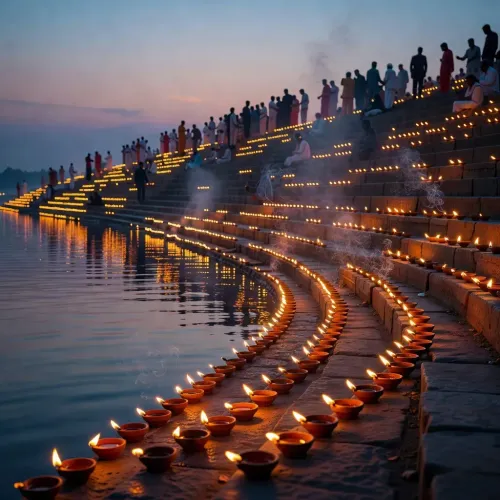
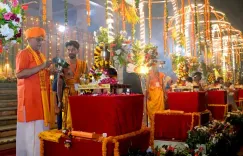
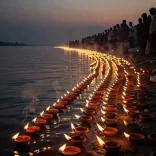
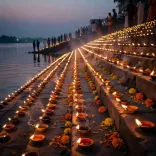
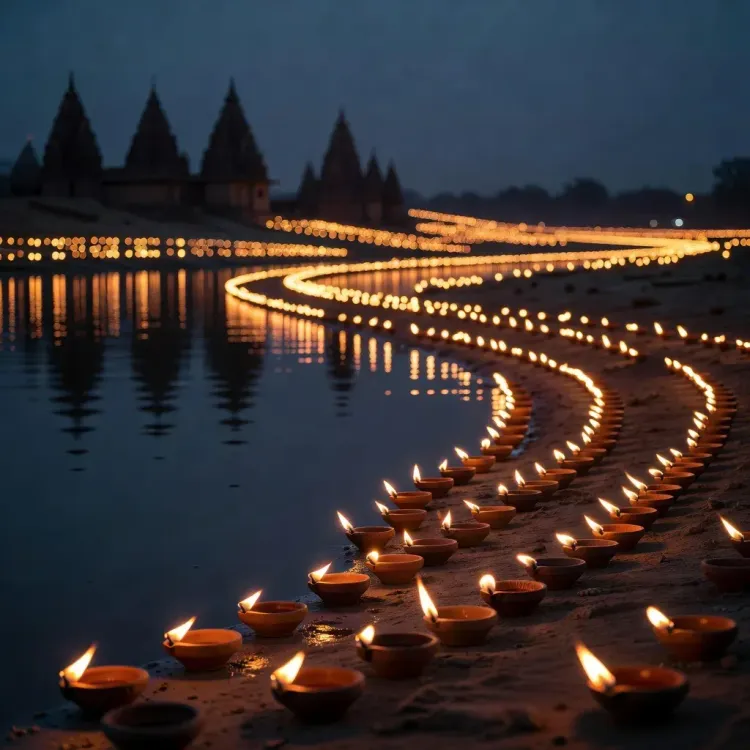
A river of lamps, a city aglow, and a message that cuts through the festive light with the sharpness of a conviction — Uttar Pradesh Chief Minister Yogi Adityanath, through the Chief Minister's Office of Uttar Pradesh, used Deepotsav 2026 in Ayodhya to deliver what he framed as a timeless truth: that clarity of intent and purity of purpose can overcome any obstacle the world places in the path of righteousness.
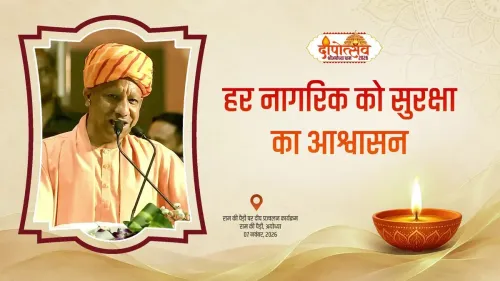
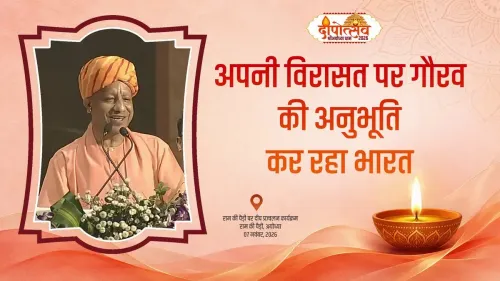
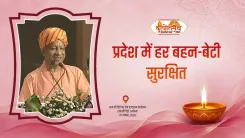
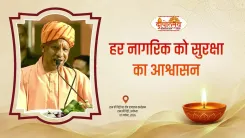
Sharing the message on Saturday, 7 November 2026, the CMO quoted CM Yogi Adityanath directly: 'अयोध्या का दीपोत्सव सभी रामभक्तों के लिए एक संदेश है' — 'Ayodhya's Deepotsav is a message for all Ram devotees that no matter how difficult the challenge, how turbulent the ocean ahead or how dense the forest; if your intent is clean, your policy is clear, and your commitment is backed by righteous resolve, then no force in the world can obstruct the attainment of the goals of Dharmameva Jayate and Satyameva Jayate — Dharma shall prevail, Truth shall prevail.'
Ayodhya's Deepotsav: A Decade of State-Backed Spectacle
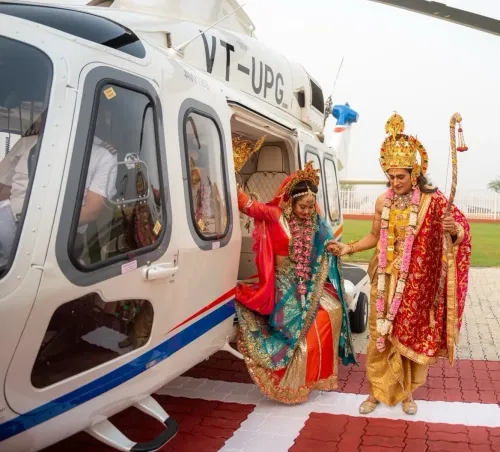
The hashtag #deepotsav1dasak — marking what the state appears to frame as a decade of the Deepotsav tradition — signals that this edition carries a milestone weight beyond the annual celebration. Since 2017, when the Yogi Adityanath government came to power in Uttar Pradesh, Deepotsav has grown from a local Diwali observance into a state-organised spectacle that draws pilgrims, tourists, and national attention to Ayodhya, the city regarded as the birthplace of Lord Ram.
The festival is held during the Diwali period and commemorates Ram's return to Ayodhya after fourteen years in exile — a narrative arc the Chief Minister's message directly mirrors: a journey through hardship, sustained by resolve, ending in the triumph of dharma. The symbolism is deliberate and consistent with the UP government's broader cultural positioning of Ayodhya as the spiritual heartland of India.
The Philosophy Behind the Lamps
CM Yogi's invocation of both Dharmameva Jayate and Satyameva Jayate — the latter a variation of India's national motto — is notable. It threads a religious celebration into the language of national identity, framing the festival not merely as a cultural event but as a living proof of a governing philosophy: that clean intent and clear policy produce outcomes no adversity can permanently block.
The imagery he deploys — a raging ocean, a dense jungle — echoes the Ramayana's own geography of trial. For the millions of Ram devotees who attend or follow Deepotsav, the message lands as both spiritual affirmation and political statement: that the transformation of Ayodhya over the past decade is itself evidence of that philosophy in action.
Ayodhya has seen sweeping infrastructure investment since 2017, including the development of pilgrimage corridors, airport expansion, and civic upgrades aimed at handling the surge in visitor footfall that the state government has actively cultivated. Deepotsav sits at the apex of that effort — the annual proof-of-concept that the city has arrived on the national, and increasingly international, cultural map.
A decade of diyas, and the flame is burning brighter than ever — the only question now is how high Ayodhya's ambitions will reach by the next decade's end.
Point of View
' the Chief Minister consciously links a Hindu festival to India's secular national motto, a rhetorical move that broadens the message's intended audience while reinforcing Ayodhya's centrality to the BJP's cultural-political identity. The 'one decade' framing is significant: it positions the Deepotsav not as an inherited tradition but as a deliberate achievement of the post-2017 government, turning the anniversary into a political ledger entry. Ahead of future electoral cycles, this kind of milestone messaging around flagship cultural projects is likely to intensify.
NationPress
7 Nov 2026
Frequently Asked Questions
What is Deepotsav in Ayodhya?
Deepotsav is an annual festival of lights organised by the Uttar Pradesh state government in Ayodhya during the Diwali period, commemorating Lord Ram's return to Ayodhya after fourteen years of exile. It has been a flagship state event since 2017.
What did CM Yogi say at Deepotsav 2026?
CM Yogi Adityanath said Ayodhya's Deepotsav is a message for all Ram devotees that if intent is clean, policy is clear, and commitment is backed by righteous resolve, no force in the world can block the attainment of the goals of Dharmameva Jayate and Satyameva Jayate.
What does 'deepotsav1dasak' mean?
'Deepotsav1dasak' refers to the first decade of the state-organised Deepotsav celebration, marking approximately ten years since the Uttar Pradesh government began hosting the large-scale festival in Ayodhya from 2017 onwards.
What is the meaning of Dharmameva Jayate and Satyameva Jayate?
'Dharmameva Jayate' means 'Dharma (righteousness) shall prevail,' and 'Satyameva Jayate' means 'Truth alone shall prevail' — the latter being India's national motto. CM Yogi invoked both at Deepotsav 2026 as twin principles of righteous resolve.
Why is Ayodhya important for Deepotsav?
Ayodhya is regarded as the birthplace of Lord Ram and the city to which he returned after defeating Ravana — the event Deepotsav commemorates. The Uttar Pradesh government has invested heavily in Ayodhya's pilgrimage infrastructure, making Deepotsav the centrepiece of the city's cultural calendar.