CM Yogi hails Deepotsav 2026 as global artists bring Ram Katha alive
Synopsis
On 8 November 2026, UP Chief Minister Yogi Adityanath celebrated Deepotsav in Ayodhya, praising artists from multiple countries who performed Ramleela in their native languages, showcasing the global reach of Sanatan culture.
Key Takeaways
Deepotsav 2026 was held at Shri Ayodhya Dham on 8 November 2026 .
Artists from multiple countries performed Ramleela in their own languages and cultural styles.
CM Yogi Adityanath hailed the event as a demonstration of Sanatan culture uniting the world.
Deepotsav has been organised annually by the Uttar Pradesh government since 2017 .
The event follows the Ram Janmabhoomi temple inauguration in January 2024 , part of Ayodhya's broader transformation into a global pilgrimage hub.
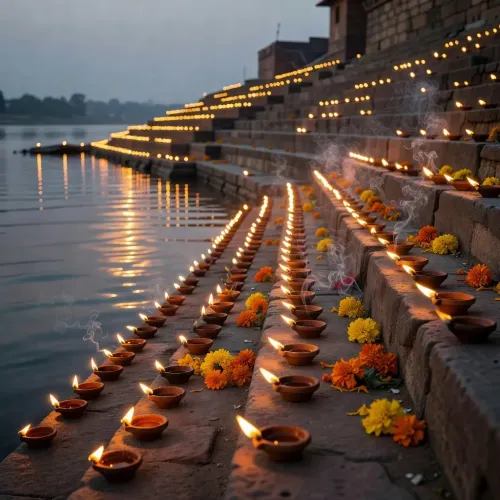
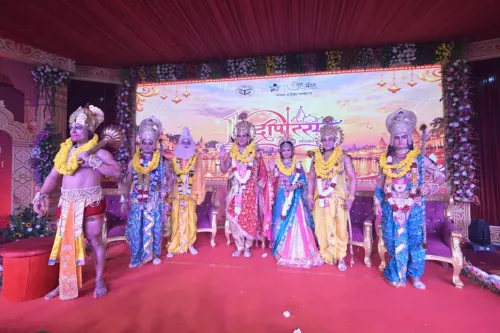
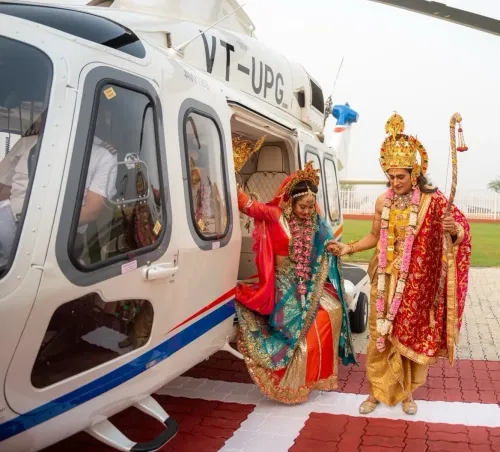
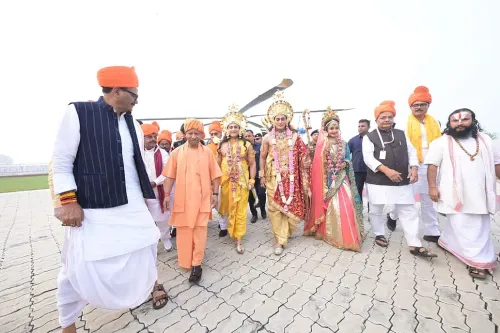
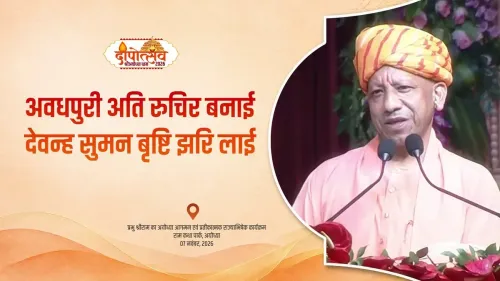
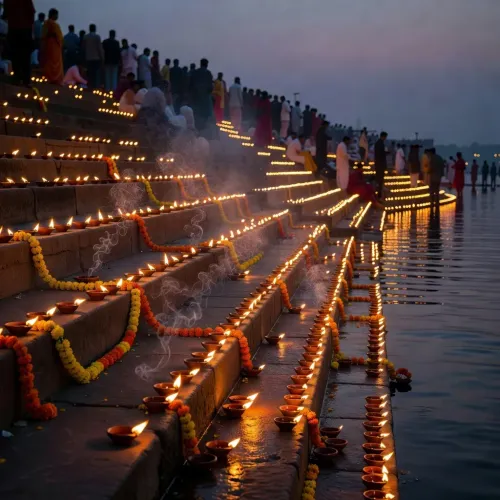
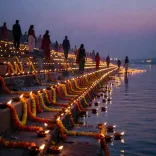
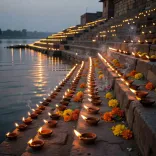
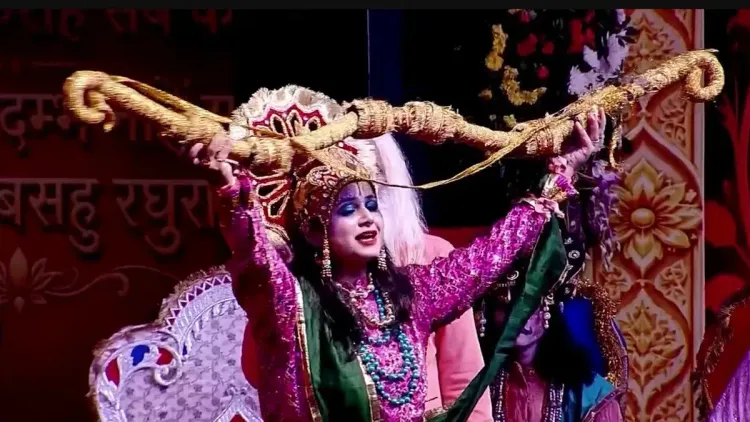
Ayodhya lit up once more — this time with voices from across the world. On the occasion of Deepotsav 2026 in Shri Ayodhya Dham, artists from multiple countries performed Ramleela in their own languages, weaving the story of Lord Shri Ram into a living tapestry of global cultures. Uttar Pradesh Chief Minister Yogi Adityanath celebrated the moment on Sunday, 8 November 2026, saluting every performer with a heartfelt welcome.
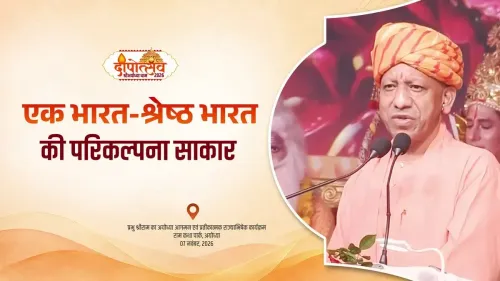
Posting on X, CM Yogi wrote: 'अलग-अलग देशों की भाषा और संस्कृति में सजी प्रभु श्री राम की कथा ने विश्व को एक सूत्र में जोड़ने वाली सनातन संस्कृति की अद्भुत झलक प्रस्तुत की' — 'The story of Lord Shri Ram, adorned in the languages and cultures of different countries, presented a remarkable glimpse of Sanatan culture that binds the world in one thread.' He closed with the salutation Jai Jai Shri Ram.
Deepotsav's nine-year journey to a global stage
Deepotsav was launched in Ayodhya in 2017, the same year CM Yogi took office, as a large-scale Diwali lighting and cultural festival organised by the Uttar Pradesh government. Each successive edition has expanded in ambition — more lamps, bigger crowds, and an increasingly international performer lineup. The 2026 edition marks nine years of that upward arc.
The festival sits inside a much larger project: the state's sustained effort to transform Ayodhya into one of India's foremost pilgrimage and cultural tourism destinations. That drive accelerated visibly after the Ram Janmabhoomi temple inauguration in January 2024, following a historic Supreme Court verdict. Road widening, a new airport, and heritage precinct development have all followed in its wake.
Ramleela in many tongues — the soft-power logic
Inviting overseas artists to perform Ramayana episodes in their native languages is a deliberate strand of the state government's cultural outreach. The Ramayana tradition spans Southeast Asia, South Asia, and the Indian diaspora worldwide — from Thailand's Ramakien to Indonesia's Kakawin Ramayana — giving the event a natural international dimension that diplomats and tourism planners alike find useful.
By staging these performances inside Ayodhya's sacred geography, the government frames the city not just as a domestic pilgrimage site but as the civilisational source of a story the world already knows. It is religious heritage deployed as soft power.
What the 2026 edition signals for Ayodhya's cultural calendar
The continued growth of international participation at Deepotsav will be a marker to watch as Uttar Pradesh looks to position Ayodhya alongside Varanasi and Prayagraj in a triangle of major Uttar Pradesh pilgrimage events. The next signpost arrives with Deepotsav 2027 and any cultural-exchange or tourism-partnership announcements the state government ties to this year's gathering.
For now, Ayodhya's ghats and streets have offered the world a performance it rarely sees: a single ancient story, retold in a chorus of languages, all at once, in the city where that story is said to have begun.
Point of View
And CM Yogi's post signals that international cultural participation is now a core metric of the festival's success. This fits a consistent BJP governance pattern of anchoring Hindu religious heritage to tourism, infrastructure investment, and civilisational messaging. The framing of overseas Ramleela performances as evidence that 'Sanatan culture binds the world' also carries a clear domestic political resonance, reinforcing the Ayodhya narrative ahead of future electoral cycles. How the state converts cultural goodwill into lasting tourism flows and bilateral cultural-exchange agreements will determine whether the event's global ambition translates into durable institutional impact.
NationPress
8 Nov 2026
Frequently Asked Questions
What is Deepotsav in Ayodhya?
Deepotsav is an annual large-scale Diwali festival organised by the Uttar Pradesh government in Ayodhya, featuring the mass lighting of lamps and cultural performances including Ramleela. It has been held every year since 2017.
What happened at Deepotsav 2026?
At Deepotsav 2026 on 8 November, artists from multiple countries performed Ramleela in their native languages at Shri Ayodhya Dham, celebrating the story of Lord Ram across diverse cultures and traditions.
What did CM Yogi say about Deepotsav 2026?
CM Yogi Adityanath posted on X saying that Ram Katha performed in the languages of different countries offered a remarkable glimpse of Sanatan culture that unites the world in one thread, and he warmly felicitated all the artists.
Why do international artists perform at Ayodhya's Deepotsav?
The Uttar Pradesh government invites overseas performers as part of cultural outreach, drawing on the Ramayana's presence across Southeast and South Asia. It frames Ayodhya as a global civilisational source and boosts religious tourism.
When was the Ram Janmabhoomi temple in Ayodhya inaugurated?
The Ram Janmabhoomi temple in Ayodhya was inaugurated in January 2024, following a Supreme Court verdict, and has since accelerated the city's development as a major pilgrimage and cultural tourism destination.