CM Pema Khandu Hails Yak Mela at Chuna, Dirang
Synopsis
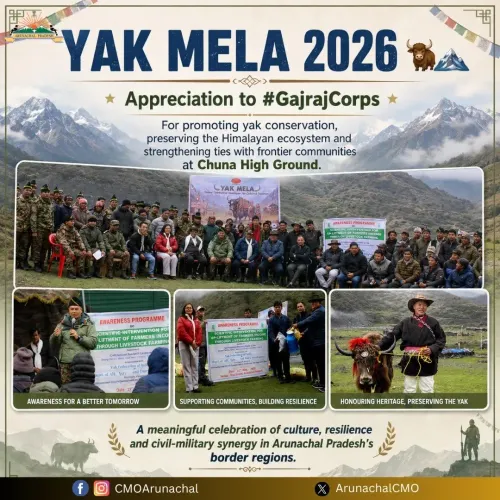
Arunachal Pradesh CM Pema Khandu on 23 May 2026 commended the Yak Mela at Chuna, Dirang, where the Gorkha Regiment, ICAR–NRC on Yak scientists, students, and herders converged. He highlighted input distribution to yak herders of Mago, Thingbu, and Luguthang as a direct livelihood boost for high-altitude communities.
Key Takeaways
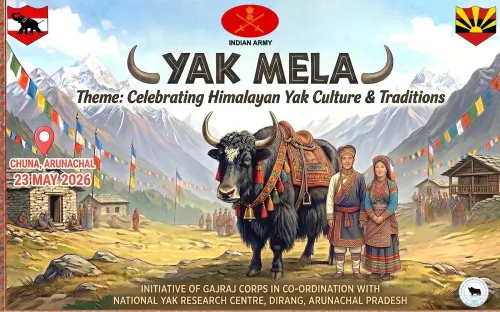
CM Pema Khandu publicly praised the Yak Mela held at Chuna, Dirang on 23 May 2026 .
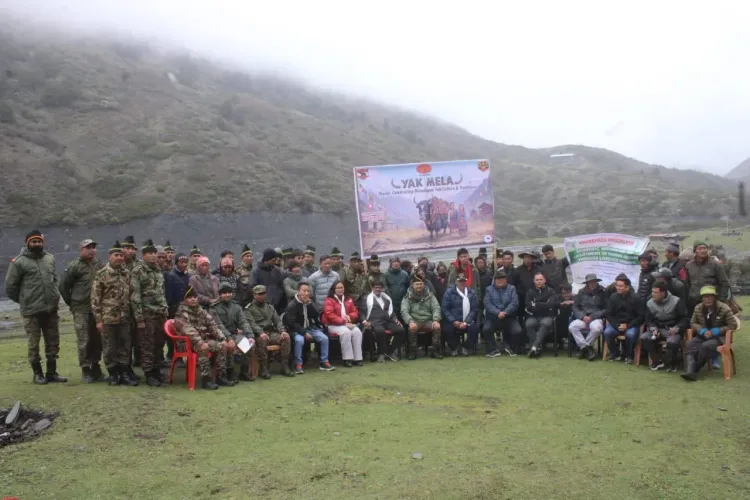
The event brought together the Gorkha Regiment , ICAR–NRC on Yak scientists, students, yak herders, and dignitaries.
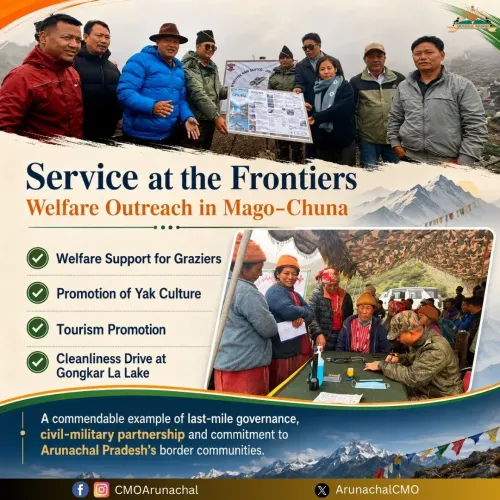
Agricultural and veterinary inputs were distributed to yak herders of Mago , Thingbu , and Luguthang .
ICAR–NRC on Yak at Dirang has been supporting high-altitude pastoralists since its establishment in 1989 .
The mela model blends cultural programming with scientific input delivery and civil-military community outreach.
The initiative underscores the state's focus on livelihood support in remote border-area communities of West Kameng district.
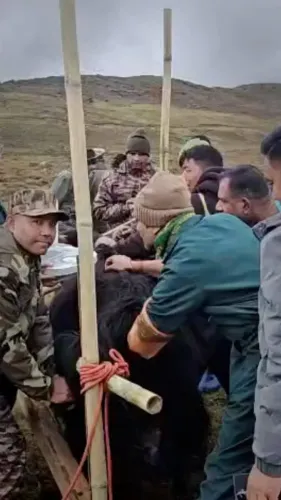
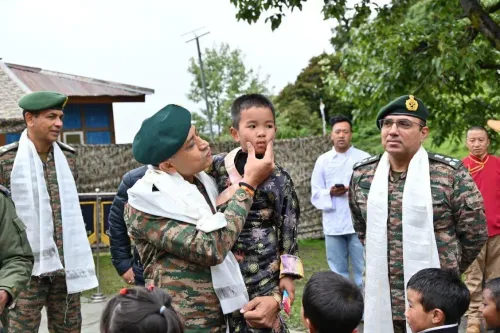
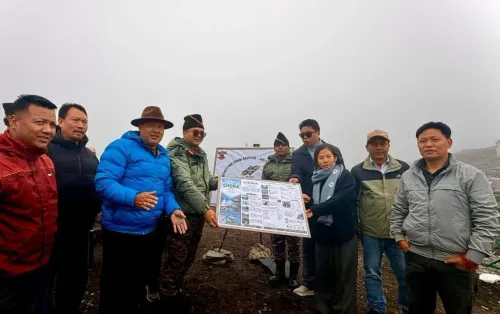
Arunachal Pradesh Chief Minister Pema Khandu on Saturday, 23 May 2026 praised the Yak Mela held at Chuna, Dirang, calling it a commendable initiative that brought together the Gorkha Regiment of the Indian Army, yak herders, students, and scientists of ICAR–NRC on Yak, Dirang in a single platform to strengthen yak-based livelihoods in the high-altitude regions of the state.
Context
Posting on X, CM Khandu described the event as one that 'beautifully blended cultural pride, community participation, and scientific support.' He extended special appreciation for the input distribution to yak herders of Mago, Thingbu and Luguthang — three remote high-altitude settlements — noting it would 'directly support and sustain their livelihoods.' The presence of local communities, army personnel, and dignitaries, he said, made the mela 'truly inclusive and meaningful.'
The Yak Mela format brings pastoralists, researchers, and institutional stakeholders face to face, allowing on-the-spot distribution of agricultural and veterinary inputs alongside cultural programming tied to the yak-rearing tradition of Arunachal Pradesh.
Policy Backdrop
The ICAR–National Research Centre on Yak was established at Dirang in 1989 under the Indian Council of Agricultural Research to provide sustained scientific support for yak husbandry across the Himalayan belt. Over the decades, the centre has focused on yak genetics, veterinary care, nutrition, and market linkages for high-altitude pastoralists in Arunachal Pradesh and neighbouring states.
The Gorkha Regiment, with long-standing deployments across the Northeast, has a documented history of civic action programmes that combine the army's security presence with direct community outreach in remote border valleys. The Yak Mela at Chuna is consistent with this pattern of civil-military cooperation in frontier districts.
Stakeholders and Impact
The most direct beneficiaries are yak-herding communities in the high-altitude pastures of West Kameng and Tawang districts, including the herders of Mago, Thingbu, and Luguthang who received inputs at the mela. Yak rearing is both an economic mainstay and a cultural identity marker for these communities, and access to scientific inputs — covering breed improvement, health management, and fodder — can materially improve household incomes in areas with few alternative livelihood options.
Students and scientists participating alongside herders and army personnel signals an effort to embed knowledge transfer within a community celebration rather than a purely bureaucratic delivery mechanism. CM Khandu, who frequently uses social media to spotlight tribal welfare and border-area development initiatives, lent political visibility to the event by publicly commending all participating stakeholders.
What's Next
The state government's acknowledgement of the mela's success may pave the way for expanded input-support rounds and additional Yak Melas across Tawang and West Kameng districts in the 2026–27 cycle. Observers will watch for formal announcements on breed improvement programmes or enhanced ICAR–state government partnerships targeting the yak-herding belt. If the civil-military-science model demonstrated at Chuna is replicated, it could set a template for livelihood interventions in other remote high-altitude districts of the Northeast.
Point of View
ICAR scientists, and local herders at a single event reflects a broader Centre-state push to layer security presence with visible welfare delivery in frontier districts. The specific mention of Mago, Thingbu, and Luguthang — settlements close to the China border — gives the initiative a quiet but unmistakable border-area development dimension. Whether the input distribution translates into sustained programme funding or remains a one-off mela will be the real test of policy intent.
NationPress
7 Oct 2026
Frequently Asked Questions
What is the Yak Mela at Chuna, Dirang?
The Yak Mela at Chuna, Dirang is a community event that brings together yak herders, army personnel, students, and scientists from ICAR–NRC on Yak to combine cultural celebration with the distribution of agricultural and veterinary inputs for high-altitude pastoralists in Arunachal Pradesh.
What is ICAR–NRC on Yak at Dirang?
The ICAR–National Research Centre on Yak, established at Dirang in 1989 under the Indian Council of Agricultural Research, conducts research on yak breeding, health, and productivity to support pastoralists in Arunachal Pradesh and other Himalayan regions.
Why did the Gorkha Regiment participate in the Yak Mela?
The Gorkha Regiment, which has long-standing deployments in the Northeast, regularly conducts civic action and community outreach programmes in remote border valleys, combining its security presence with direct livelihood support for local communities.
Which yak-herding villages received inputs at the Dirang Yak Mela 2026?
Yak herders from Mago, Thingbu, and Luguthang — remote high-altitude settlements in Arunachal Pradesh — received agricultural and veterinary inputs at the Yak Mela held on 23 May 2026 at Chuna, Dirang.
What did CM Pema Khandu say about the Yak Mela?
CM Pema Khandu called it a 'commendable initiative' that 'beautifully blended cultural pride, community participation, and scientific support,' and gave special appreciation for the input distribution to herders of Mago, Thingbu, and Luguthang.