CM Pema Khandu Joins BJP Review Meet to Boost Grassroots Outreach
Synopsis
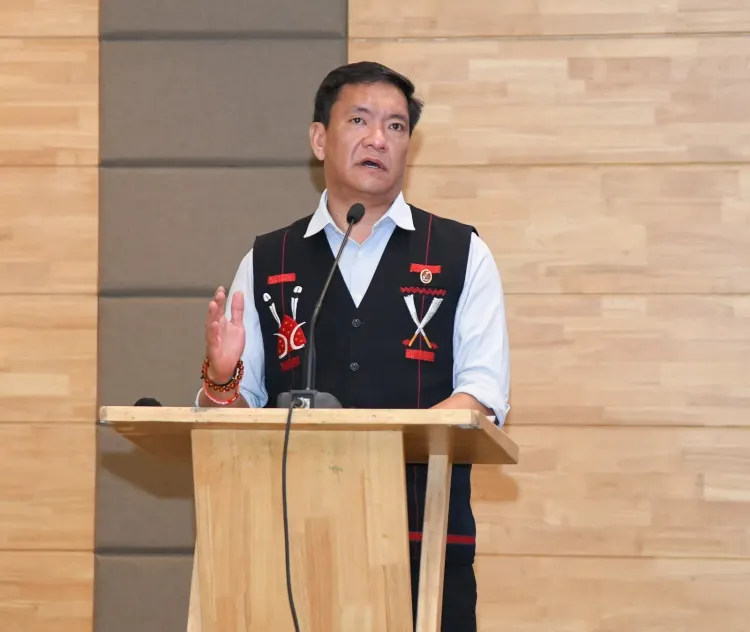
Arunachal Pradesh Chief Minister Pema Khandu joined a BJP state organisational review meeting on July 3, 2026, with State President Kaling Moyong and former MP Vinod Sonkar. Leaders discussed coordination, public outreach, and grassroots strengthening ahead of the 2029 assembly elections.
Key Takeaways
Chief Minister Pema Khandu attended a BJP organisational review meeting on July 3, 2026 in Arunachal Pradesh.
The meeting was chaired alongside State President Kaling Moyong and former MP Vinod Sonkar .
Attendees included Cabinet Ministers, MLAs, and Zila Panchayat Chairpersons (ZPCs) , spanning legislative and grassroots leadership.
The agenda focused on coordination, public outreach, and strengthening party structures at the grassroots level .
BJP has governed Arunachal Pradesh since 2016 and has held periodic internal reviews as part of its Northeast consolidation strategy.
The meeting is seen as part of early groundwork ahead of the 2029 Arunachal Pradesh assembly elections .
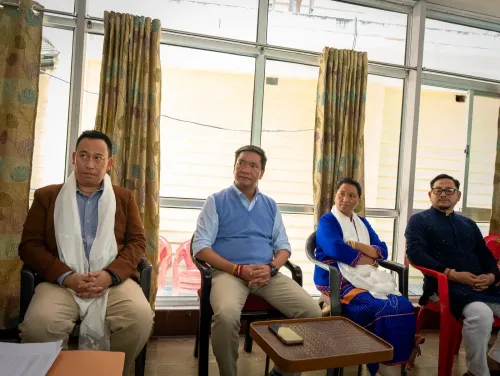
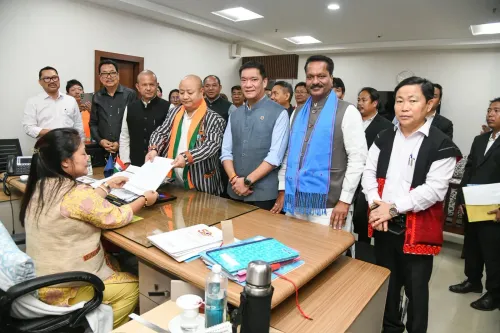
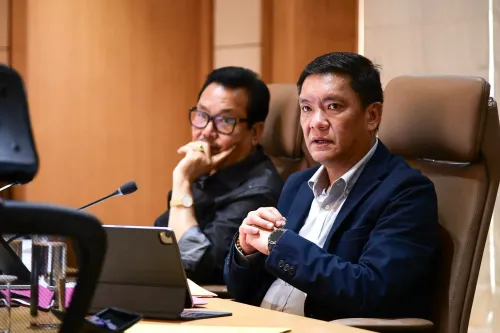
Arunachal Pradesh Chief Minister Pema Khandu participated in a Bharatiya Janata Party organisational review meeting on Friday, July 3, 2026, alongside senior party leaders, ministers, MLAs, and Zila Panchayat Chairpersons (ZPCs), reaffirming the party's focus on strengthening its grassroots machinery in the state.
Context
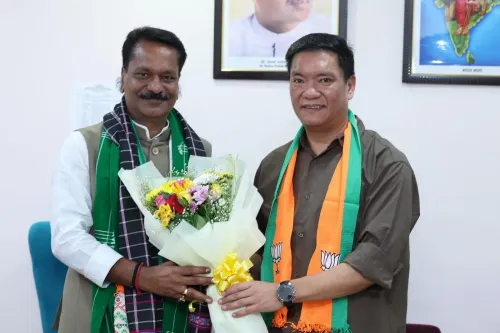
The meeting was held in the presence of BJP Arunachal Pradesh State President Kaling Moyong and former Member of Parliament Vinod Sonkar. Khandu, posting on X, described the session as a platform to 'review various organisational activities and discuss ways to further strengthen the Party at the grassroots level through greater coordination, public outreach and collective efforts in service of the people.'
The gathering brought together a cross-section of the party's legislative and organisational leadership, signalling a coordinated internal effort rather than a routine administrative exercise.
Policy Backdrop
BJP has governed Arunachal Pradesh since 2016, when Pema Khandu switched from the Congress-aligned People's Party of Arunachal to lead the state's first BJP government. Since then, the party has held periodic internal review meetings to consolidate its district and block-level structures — part of a broader Northeast outreach strategy that gained momentum after 2014.
These reviews typically focus on aligning the work of ministers and legislators with local party functionaries, improving electoral machinery and refining public messaging ahead of future polls. The inclusion of ZPCs in Friday's meeting underscores an emphasis on panchayat-level coordination, the foundational tier of the party's grassroots network.
Stakeholders and Impact
BJP workers, booth-level functionaries, and grassroots members across Arunachal Pradesh are the primary audience for the outcomes of such review sessions. Decisions on coordination mechanisms and public outreach strategies directly shape how the party communicates with voters in one of India's most geographically challenging and sparsely populated states.
The presence of Vinod Sonkar, a former MP with organisational experience at the national level, suggests the meeting may also carry a signal from the party's central leadership about the importance it places on Northeast consolidation. Elected representatives — ministers and MLAs — attending alongside ZPCs reflects a deliberate effort to bridge the gap between legislative and grassroots wings of the organisation.
What's Next
With the 2029 Arunachal Pradesh Legislative Assembly elections on the horizon, meetings of this nature are expected to grow in frequency and scope. The BJP's state unit is likely to follow up with executive-level discussions, membership drives, and possible visits by central leadership to the Northeast region.
How effectively the party translates the coordination discussed on July 3 into visible public outreach will determine its ability to deepen its hold in a state that has become a key plank of its pan-India expansion story.
Point of View
Presiding over such sessions reinforces his dual role as head of government and de facto organisational anchor of the state unit. With 2029 still years away, the cadence of these meetings will be a reliable indicator of how seriously the BJP is treating Arunachal as a long-term consolidation project rather than a won-and-forgotten frontier.
NationPress
2 Oct 2026
Frequently Asked Questions
Why did CM Pema Khandu hold a BJP review meeting on July 3, 2026?
The meeting was held to review ongoing organisational activities and discuss strategies to strengthen the BJP at the grassroots level in Arunachal Pradesh through better coordination, public outreach, and collective efforts among party leaders.
Who attended the BJP organisational review meeting in Arunachal Pradesh?
The meeting was attended by BJP State President Kaling Moyong, former MP Vinod Sonkar, Cabinet Ministers, Members of the Legislative Assembly (MLAs), and Zila Panchayat Chairpersons (ZPCs).
How long has BJP been in power in Arunachal Pradesh?
The BJP has governed Arunachal Pradesh since 2016, when Pema Khandu joined the party and became Chief Minister, forming the state's first BJP-led government.
What is the role of Kaling Moyong in the BJP?
Kaling Moyong is the current BJP State President of Arunachal Pradesh, responsible for overseeing party organisation and coordination across the state.
What are the next major elections in Arunachal Pradesh?
The next Arunachal Pradesh Legislative Assembly elections are scheduled for 2029, and meetings like the July 3 review are seen as early groundwork to strengthen the party's electoral machinery.