CM Pema Khandu Completes Phase II of District Review Meetings
Synopsis
Arunachal Pradesh Chief Minister Pema Khandu completed Phase II of structured district-wise review meetings on 22 May 2026, engaging MLAs and Deputy Commissioners from eleven districts to address infrastructure gaps, manpower shortages, and developmental priorities. Phase III is scheduled for the following day.
Key Takeaways
CM Pema Khandu chaired Phase II of district-wise review meetings on 22 May 2026 , running from morning until late afternoon.
Representatives from eleven districts — Kurung Kumey, Kra Daadi, West Siang, Upper Subansiri, Siang, Upper Siang, East Siang, Lower Subansiri, Papum Pare, ICR, and Longding — participated.
Discussions covered administrative challenges, infrastructure gaps, manpower shortages, and urgent developmental priorities.
Khandu described the meetings as a platform to hear 'genuine concerns and aspirations of the people' from elected representatives and grassroots officers.
The exercise is part of a structured multi-phase review institutionalised since 2016 to monitor scheme implementation across the state.
Phase III is scheduled to continue on 23 May 2026 , covering remaining districts.
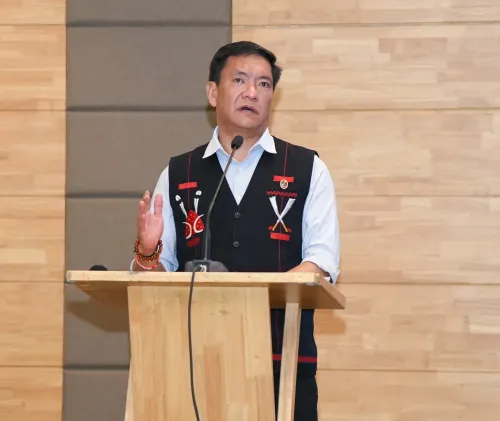
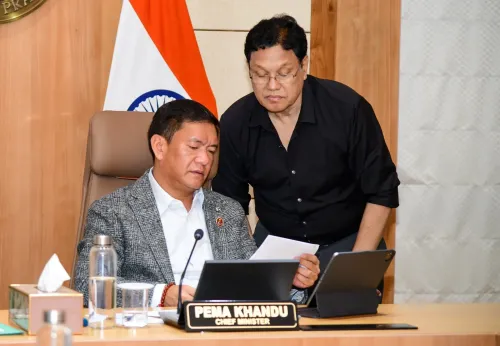
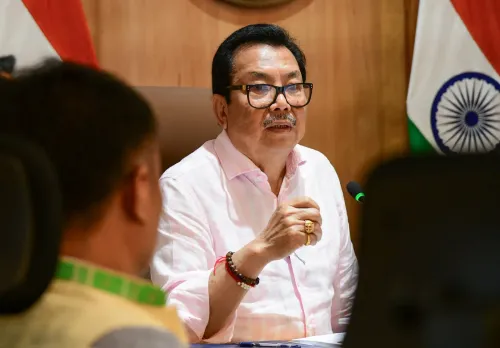
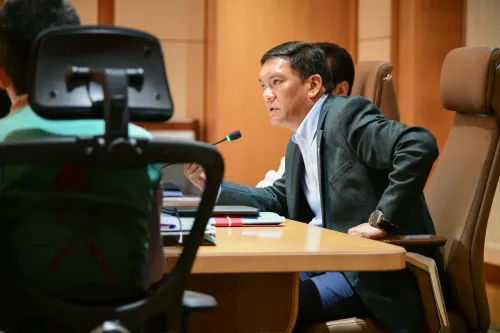
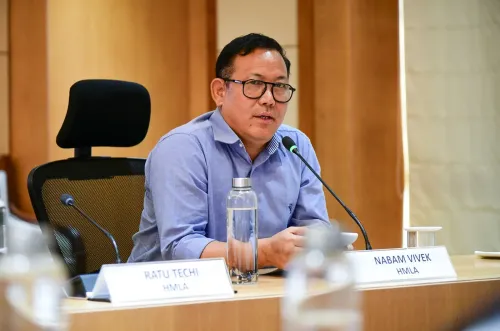
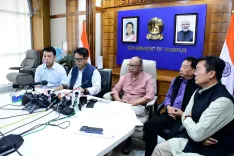
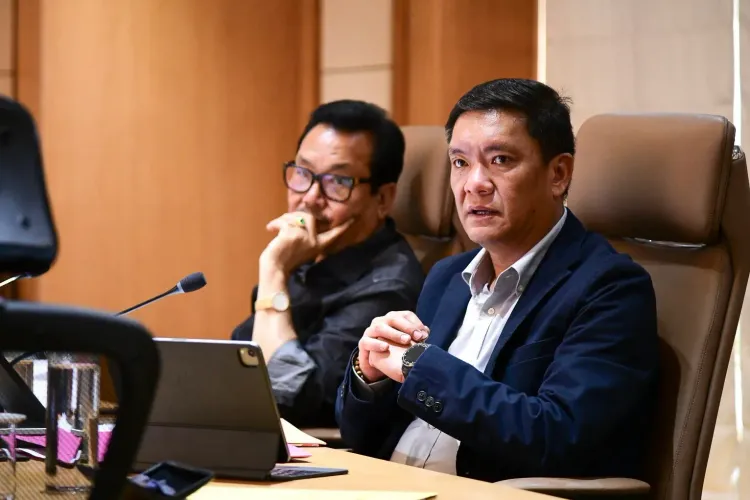
Arunachal Pradesh Chief Minister Pema Khandu on Friday, 22 May 2026, chaired an extended round of district-wise review meetings spanning from morning until late afternoon, covering elected MLAs and Deputy Commissioners from eleven districts of the state. The session marked the completion of Phase II of a structured, multi-phase administrative review exercise, with Phase III scheduled to continue the following day.
Context
The Chief Minister convened representatives from the districts of Kurung Kumey, Kra Daadi, West Siang, Upper Subansiri, Siang, Upper Siang, East Siang, Lower Subansiri, Papum Pare, ICR, and Longding. Discussions over the course of the day centred on administrative challenges, infrastructure gaps, manpower shortages, and developmental priorities requiring urgent attention. Khandu described the meetings as 'not merely review exercises, but an important platform to hear the genuine concerns and aspirations of the people directly from their elected representatives and officers working at the grassroots level.'
Policy Backdrop
Since 2016, the Arunachal Pradesh government under Khandu has institutionalised periodic district-level review meetings as a tool for monitoring the implementation of both central and state schemes across the state's remote and interior regions. Arunachal Pradesh, India's northeasternmost state bordering China, encompasses 25 districts characterised by hilly terrain, tribal populations, and historically limited connectivity — conditions that make direct administrative engagement particularly significant. The exercise aligns with the broader Act East Policy framework, under which northeastern states have increasingly adopted field-level review mechanisms to improve service delivery responsiveness.
Deputy Commissioners, who head district administrations and oversee development scheme implementation, revenue functions, and state-grassroots coordination, were among the key participants. Their direct presence at such reviews is intended to surface ground-level bottlenecks that may not be visible through routine reporting channels.
Stakeholders and Impact
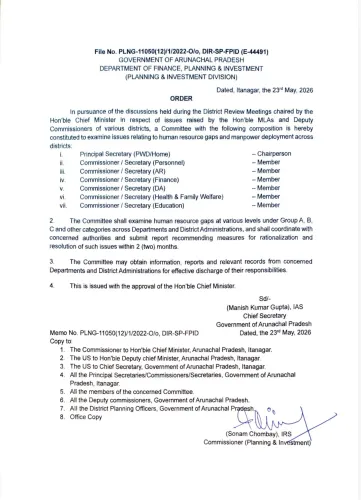
The review process directly concerns elected MLAs who carry constituency-level concerns, district officials responsible for scheme execution, and ultimately the rural and tribal communities of the eleven districts covered in Phase II. Persistent references to infrastructure deficits and manpower shortages in the Chief Minister's post reflect long-standing challenges in extending effective governance to sparsely populated tribal regions across the state's interior and border areas. For communities in districts such as Kurung Kumey, Kra Daadi, and the Siang belt, the outcomes of these reviews can directly influence the pace of road connectivity, healthcare staffing, and school infrastructure projects.
Similar multi-phase review models have been adopted by other northeastern states as a structured approach to bridging the gap between policy intent and ground-level delivery, lending the exercise a regional significance beyond Arunachal Pradesh alone.
What's Next
Phase III of the district-wise review meetings is set to proceed on Saturday, 23 May 2026, covering the remaining districts of the state. Analysts and district officials will watch for any follow-up directives on staffing augmentation or project sanctions emerging from the consolidated findings of all three phases. Announcements tied to the review outcomes could surface during the next assembly session or within the state's forthcoming budget cycle, potentially shaping resource allocation for Arunachal Pradesh's most infrastructure-deficient regions.
Point of View
The exercise creates a rare accountability moment that bypasses layers of bureaucratic filtering. The persistent emphasis on manpower shortages and infrastructure gaps signals that despite a decade of such reviews, systemic deficits in Arunachal Pradesh's interior districts remain unresolved — pointing to structural funding and recruitment constraints that periodic reviews alone cannot fix. The phased format, covering all 25 districts in sequence, also serves a political function: visible, documented outreach ahead of budget and assembly cycles.
NationPress
7 Oct 2026
Frequently Asked Questions
What are the district-wise review meetings held by CM Pema Khandu?
These are structured, periodic meetings convened by Arunachal Pradesh Chief Minister Pema Khandu where MLAs and Deputy Commissioners from each district present administrative challenges, infrastructure gaps, and developmental priorities directly to the Chief Minister for review and action.
Which districts were covered in Phase II of the Arunachal Pradesh review meetings?
Phase II covered eleven districts: Kurung Kumey, Kra Daadi, West Siang, Upper Subansiri, Siang, Upper Siang, East Siang, Lower Subansiri, Papum Pare, ICR, and Longding.
When is Phase III of CM Pema Khandu's district review scheduled?
Phase III is scheduled for 23 May 2026, the day after Phase II was completed on 22 May 2026.
Why does Arunachal Pradesh hold district-level administrative reviews?
Arunachal Pradesh's hilly terrain, tribal populations, and limited connectivity make it difficult to monitor scheme implementation through routine channels, so direct review meetings with field officials and elected representatives help identify ground-level gaps in governance and service delivery.
How long has Pema Khandu been Chief Minister of Arunachal Pradesh?
Pema Khandu has been Chief Minister of Arunachal Pradesh since 2016, during which time he institutionalised periodic district-level review meetings as a governance mechanism.