CM Pema Khandu Shares Phase II District Review Meeting Glimpses
Synopsis
Arunachal Pradesh Chief Minister Pema Khandu shared glimpses of phase II of his district-wise review meetings on 22 May 2026, continuing his structured approach to monitoring scheme implementation and administrative performance across the state's 25 districts.
Key Takeaways
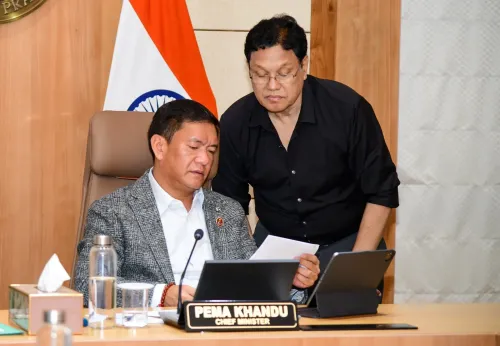
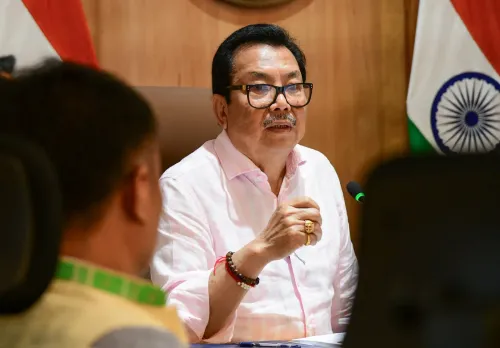
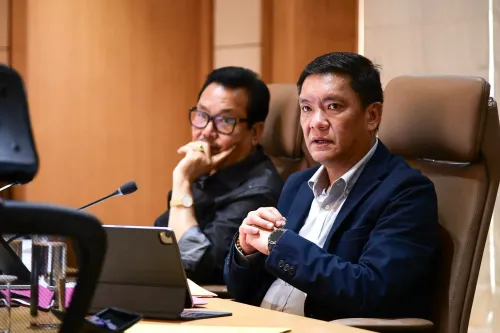
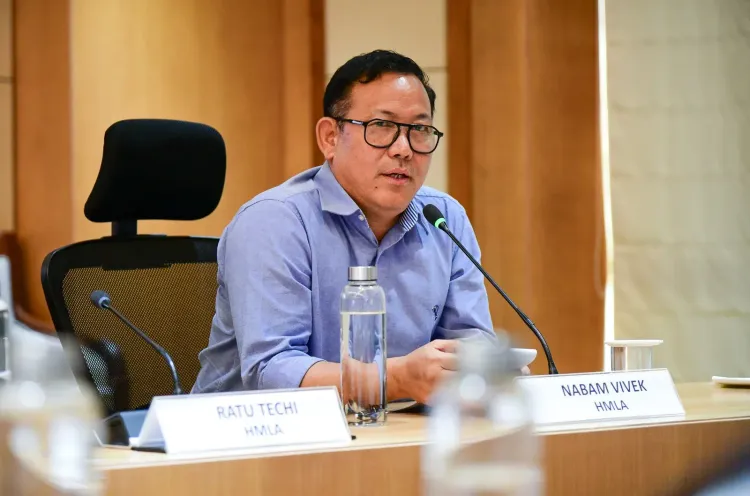
Pema Khandu shared four images from phase II of district-wise review meetings on 22 May 2026 .
The review series is a structured, multi-phase exercise covering districts of Arunachal Pradesh .
CM Khandu has institutionalised district-level reviews since taking office in 2016 to track scheme delivery and administrative performance.
Arunachal Pradesh spans 25 districts , many in remote and border areas, making structured reviews critical for governance.
Key focus areas include connectivity, welfare programmes, and border-area development projects.
Phase-wise outcomes and follow-up directives on pending projects are expected after the review cycle concludes.
Arunachal Pradesh Chief Minister Pema Khandu on Friday, 22 May 2026, shared photographs from the second phase of his ongoing district-wise review meetings, offering a window into the state government's structured administrative monitoring exercise. The post, shared on X, was accompanied by four images capturing scenes from the review sessions held across districts of Arunachal Pradesh.
Context
The district-wise review meeting series is part of Chief Minister Khandu's established governance practice of periodically assessing scheme implementation and administrative performance at the district level. By labelling this as 'phase II', the Chief Minister indicated that the review exercise is structured in multiple rounds, with this being the second instalment of the current cycle. The four images shared provide glimpses of official proceedings, though specific outcomes and directives from the meetings have not been detailed in the post.
Policy Backdrop
Since assuming office in 2016, Pema Khandu has institutionalised district-level review meetings as a core governance tool in Arunachal Pradesh. The state, which shares strategic borders with China and Bhutan, has long faced challenges in delivering central and state schemes to its remote and dispersed districts. These review exercises are designed to track progress on connectivity, welfare programmes, and border-area development, and to identify implementation gaps before they widen.
BJP-governed northeastern states have broadly adopted structured performance-monitoring frameworks in recent years, reflecting a wider administrative push to improve last-mile delivery. Arunachal Pradesh, with its difficult terrain and sparse population spread across 25 districts, presents a particularly acute administrative challenge, making in-person district-level reviews a practical necessity alongside digital monitoring tools.
Stakeholders and Impact
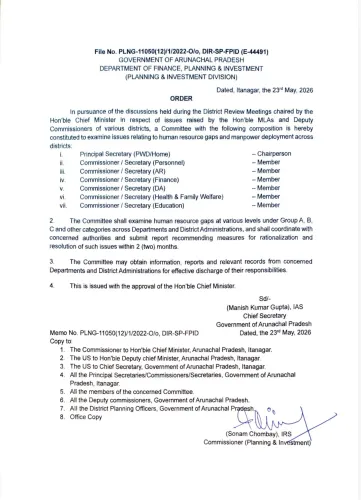
The primary stakeholders in these review meetings are district-level officials — including Deputy Commissioners and departmental heads — who are called upon to account for fund utilisation, project timelines, and welfare delivery. Residents across Arunachal Pradesh's districts stand to benefit when such reviews translate into corrective action on stalled projects or improved scheme outreach. The phased structure of the current review cycle suggests a systematic, district-by-district approach rather than a single consolidated session.
For border-area communities in particular, the outcomes of such reviews carry heightened significance, as connectivity and infrastructure projects in frontier zones have both developmental and strategic dimensions. Follow-up directives issued after these sessions typically set timelines for pending works and flag underperforming departments for course correction.
What's Next
The completion of phase II sets the stage for a likely consolidation of findings across all districts reviewed so far. Observers will watch for the release of phase-wise review outcomes, any public directives on pending projects, and whether the Chief Minister convenes further phases to cover remaining districts. The cadence and outcomes of this review cycle will also serve as a signal of the state government's administrative priorities ahead of the next fiscal review period.
Point of View
Institutionalised monitoring cycle — a model increasingly favoured by BJP-governed states in the northeast. By publicly sharing images from phase II, the Chief Minister signals both accountability to constituents and a performance-oriented governance culture. This aligns with the broader central government push for outcome-based administration in strategically sensitive frontier states. The real test, however, lies in whether the review findings translate into measurable improvements in scheme delivery and infrastructure completion on the ground.
NationPress
15 Oct 2026
Frequently Asked Questions
What is the district-wise review meeting held by Pema Khandu?
It is a structured, multi-phase exercise in which Arunachal Pradesh Chief Minister Pema Khandu meets district-level officials to assess scheme implementation, fund utilisation, and administrative performance across the state's districts.
When did Pema Khandu share phase II review meeting images?
Pema Khandu shared four images from phase II of the district-wise review meetings on Friday, 22 May 2026 , via his official X account.
How many districts does Arunachal Pradesh have?
Arunachal Pradesh has 25 districts , many of which are remote or located in border areas, making district-level administrative reviews particularly important for governance.
Why does Arunachal Pradesh hold district-wise review meetings?
The meetings are held to monitor the implementation of central and state schemes, track infrastructure progress, and identify administrative gaps, particularly in remote and border-area districts where delivery challenges are acute.
What happens after the district-wise review meetings in Arunachal Pradesh?
Typically, the Chief Minister's office issues follow-up directives on pending projects, flags underperforming departments, and sets timelines for course correction based on findings from the review sessions.