CM Pema Khandu Reviews Infrastructure, Grievances in Arunachal
Synopsis
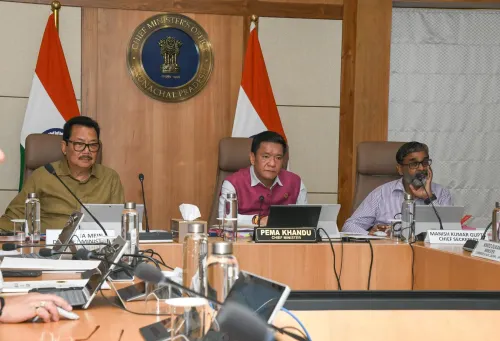
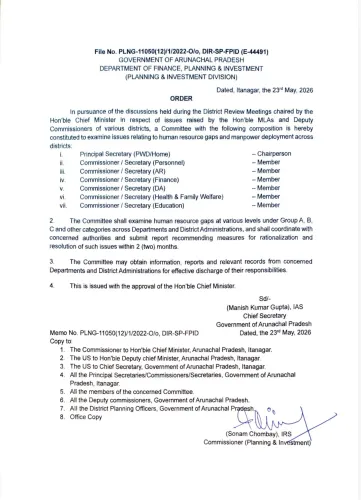
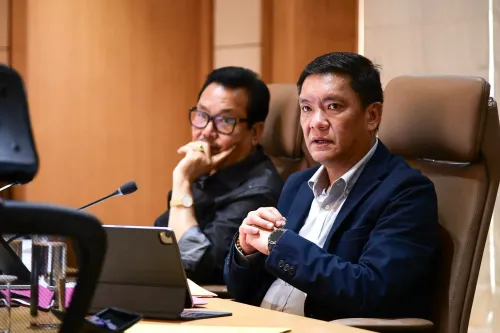
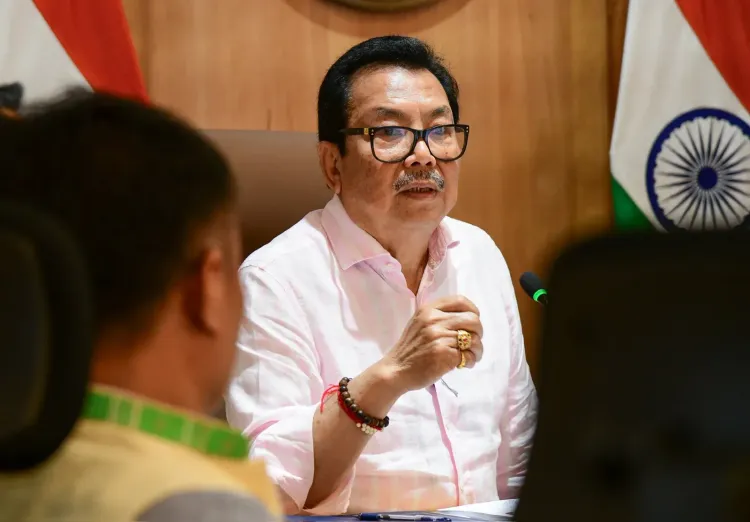
Arunachal Pradesh Chief Minister Pema Khandu conducted a sweeping ground-level review on 23 May 2026, covering infrastructure gaps, manpower shortages, public grievances, and administrative challenges across the state, pledging that every issue raised has been carefully noted.
Key Takeaways
CM Pema Khandu conducted a comprehensive review on 23 May 2026 covering infrastructure, manpower, grievances, and development issues in Arunachal Pradesh .
The Chief Minister emphasised the review was based on 'direct feedback' and 'real issues from the ground.' Every important point raised during the review has been 'carefully noted,' according to Khandu .
Arunachal Pradesh faces longstanding challenges in infrastructure delivery and administrative reach due to its mountainous border-state geography.
The exercise is consistent with periodic ground-level review mechanisms adopted by BJP -governed states to address public grievances.
Follow-up action plans or announcements in the next state assembly session are the key near-term watch points.
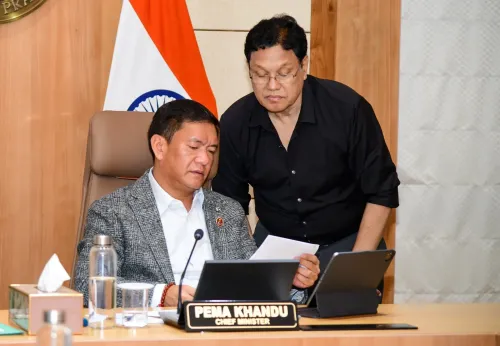
Arunachal Pradesh Chief Minister Pema Khandu on Saturday, 23 May 2026, said he conducted a comprehensive ground-level review covering infrastructure gaps, manpower shortages, public grievances, administrative challenges, and development issues in the state. The Chief Minister stated that direct feedback was gathered and every important point raised has been carefully noted.
Context
Posting on X, CM Khandu wrote that the review covered 'EVERYTHING' — a pointed emphasis on the breadth of issues addressed. He described the exercise as yielding 'direct feedback' and 'real issues from the ground,' signalling an intent to ground policymaking in firsthand administrative intelligence rather than top-down assessments.
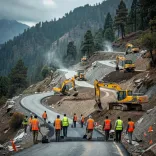
Arunachal Pradesh is India's largest northeastern state by area and shares sensitive international borders with China and Bhutan. Its mountainous, remote terrain has historically made infrastructure delivery and administrative reach among the most challenging in the country.
Policy Backdrop
Since Pema Khandu led the BJP to power in Arunachal Pradesh in 2016, the state government has periodically conducted structured reviews of infrastructure and public-service delivery as part of a broader governance agenda. Such exercises align with the Northeast's integration into national development frameworks, including connectivity and border-area development programmes.
The approach mirrors grievance-redressal and review mechanisms adopted by several BJP-governed states, where chief ministers periodically undertake direct outreach to assess implementation gaps on the ground. Arunachal Pradesh has seen sustained central and state investment in road connectivity, power infrastructure, and digital access over the past decade, yet delivery bottlenecks and manpower constraints in remote districts remain persistent challenges.
Stakeholders and Impact
The primary stakeholders of such a review are local residents across Arunachal Pradesh's districts — particularly those in remote border areas where administrative reach is thinnest and infrastructure deficits are most acute. Frontline government functionaries, including district collectors and block-level officers, are also directly implicated, as manpower shortages flagged in such reviews typically point to vacancies or capacity gaps at these levels.
For ordinary citizens, a ground-level review of this nature carries the potential for targeted corrective action on longstanding grievances. The Chief Minister's assurance that 'every important point raised has been carefully noted' raises public expectations of follow-through in the near term.
What's Next
The immediate watch point is whether the issues catalogued in this review translate into concrete district-level action plans or budgetary allocations. Analysts tracking Arunachal Pradesh's governance will look for announcements in the next state assembly session or through administrative orders addressing the specific gaps identified.
Sustained follow-up on such reviews has historically determined their impact — states that institutionalise accountability mechanisms after ground-level exercises tend to show measurable improvement in service delivery over subsequent quarters. CM Khandu's public communication of the review's scope may itself be a signal of intent to build accountability into the process.
Point of View
Such reviews carry both governance weight and political optics — demonstrating that the leadership is accessible and attuned to remote constituencies. The critical variable, as with similar exercises in other states, is institutional follow-through: whether noted grievances yield concrete administrative orders or remain catalogued without action. The Chief Minister's decision to communicate the review's scope publicly on X also reflects the growing use of social media as a tool of governance accountability in Indian state politics.
NationPress
26 Oct 2026
Frequently Asked Questions
What did CM Pema Khandu review in Arunachal Pradesh?
Chief Minister Pema Khandu reviewed infrastructure gaps, manpower shortages, public grievances, administrative challenges, and development issues across Arunachal Pradesh, gathering direct feedback from the ground.
When did Pema Khandu conduct this ground-level review?
The review was communicated publicly on Saturday, 23 May 2026, when CM Khandu posted about it on X.
What are the main governance challenges in Arunachal Pradesh?
Arunachal Pradesh faces persistent challenges including infrastructure deficits, poor connectivity in remote areas, manpower shortages in government departments, and administrative reach limitations due to its mountainous terrain and large area.
What happens after Pema Khandu's review of grievances?
The Chief Minister stated every important point has been carefully noted. Analysts expect follow-up district-level action plans or policy announcements, potentially in the next state assembly session.
How long has Pema Khandu been Chief Minister of Arunachal Pradesh?
Pema Khandu has served as Chief Minister of Arunachal Pradesh since 2016, leading the BJP government in the state through multiple terms.