CM Pema Khandu Forms 3 Committees After District Reviews
Synopsis
Arunachal Pradesh CM Pema Khandu has constituted three committees — led by the Commissioner (Planning), Principal Secretary (Home), and Chief Secretary — to act on infrastructure, manpower, and cross-cutting priorities identified in a completed three-phase district-wise review of all state districts.
Key Takeaways
CM Pema Khandu announced three follow-up committees on May 23, 2026 , after completing a three-phase district-wise review covering all districts of Arunachal Pradesh .
An Infrastructure Committee led by the Commissioner (Planning) will address major infrastructure-related issues and facilitate their timely resolution.
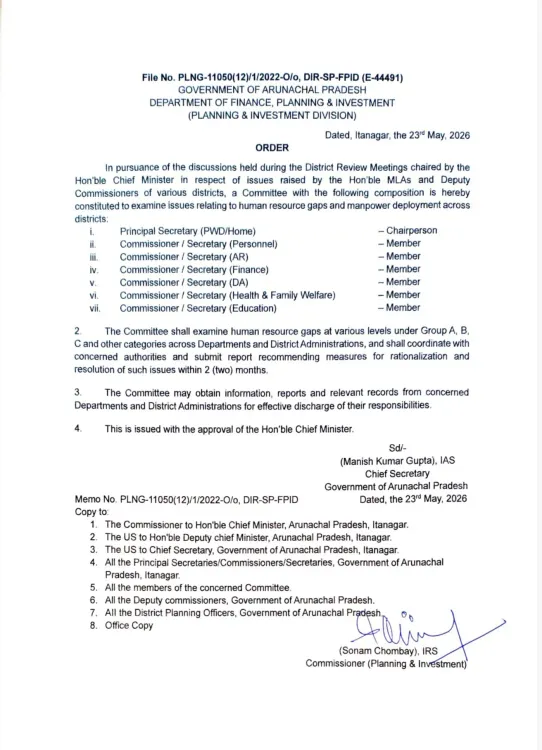
A Human Resources Committee led by the Principal Secretary (Home) will tackle manpower deployment needs and human resource gaps across districts.
A High-Level Committee led by the Chief Secretary will examine cross-cutting issues and ensure coordinated departmental action.
Compiled outcomes from all three committees are expected to be shared publicly 'within the next few months,' and may trigger project sanctions or manpower reallocations.
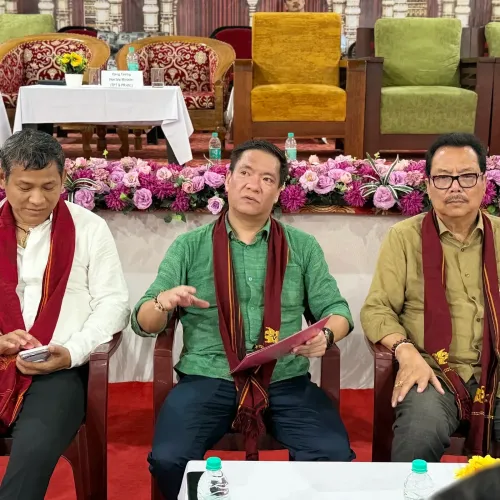
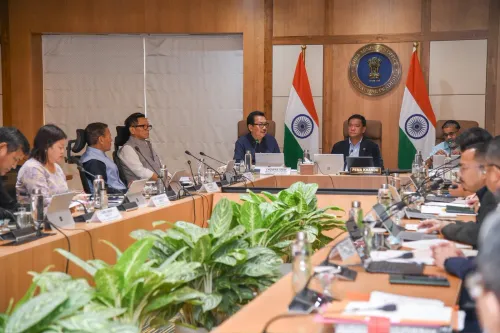
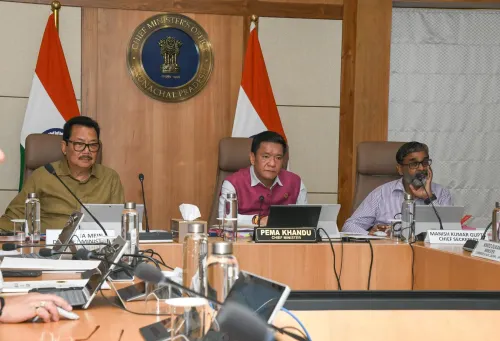
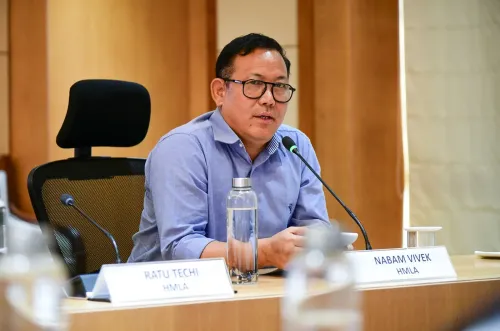
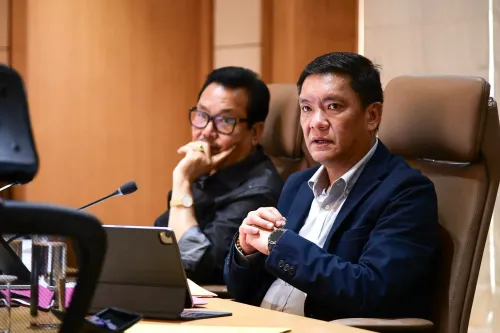
Arunachal Pradesh Chief Minister Pema Khandu announced on Saturday, May 23, 2026, the constitution of three high-level committees to ensure coordinated follow-up action on development priorities identified during an extensive three-phase, district-wise review exercise covering all districts of the state.
Context
The three-phase district review exercise, which has now concluded, was designed to surface on-the-ground infrastructure requirements, manpower gaps, and other major development priorities from every district across Arunachal Pradesh. The state's vast geography and remote terrain make such structured, district-level consultations a logistical undertaking, and the completion of all three phases marks a significant administrative milestone.
CM Khandu's post confirmed that the outcomes of these meetings will be 'compiled and shared within the next few months,' signalling a commitment to transparency in the follow-up process.
Policy Backdrop
Arunachal Pradesh governments have periodically conducted district-level development reviews since the mid-2010s to align state planning with centrally sponsored schemes and address persistent gaps in infrastructure and human resources. The current exercise follows this established practice but introduces a more formalised, tiered committee structure to ensure accountability at each level of resolution.
The three committees are structured by the nature of issues they will handle. An Infrastructure Committee, led by the Commissioner (Planning), will examine major infrastructure-related issues and facilitate their timely resolution. A Human Resources Committee, led by the Principal Secretary (Home), will address manpower deployment needs and human resource gaps across districts. A High-Level Committee, led by the Chief Secretary, will examine major cross-cutting issues emerging from the review and ensure coordinated action across departments.
This tiered approach — routing infrastructure issues to planning, manpower issues to home, and cross-cutting matters to the Chief Secretary — reflects a deliberate effort to match the nature of district-level problems with the appropriate administrative authority for resolution.
Stakeholders and Impact
The primary beneficiaries of this exercise are the district administrations and local communities across Arunachal Pradesh, many of which face chronic shortfalls in road connectivity, public services, and government staffing. By institutionalising follow-up through named committees with defined mandates, the state government aims to prevent the common administrative pitfall where district-level inputs are gathered but never acted upon.
State planning departments and line ministries will be required to engage with the respective committees, creating a structured channel for district voices to reach senior bureaucratic decision-makers. The exercise aligns with the broader Viksit Arunachal vision referenced in CM Khandu's post, which frames development as a coordinated, whole-of-government endeavour.
What's Next
The immediate deliverable is the compilation and public sharing of committee outcomes, which CM Khandu has indicated will happen 'within the next few months.' This report is expected to serve as the basis for specific project sanctions, budget reallocations, and manpower transfers across the state's districts.
How swiftly the three committees convene, deliberate, and produce actionable recommendations will determine whether this governance initiative translates into tangible improvements on the ground — or remains a well-structured process without proportionate output.
Point of View
Routing issues by type to the Commissioner (Planning), Principal Secretary (Home), and Chief Secretary respectively, is a deliberate attempt to match problem categories with the appropriate decision-making authority. This fits a broader pattern in BJP-governed states of using visible governance architecture to signal administrative seriousness, particularly ahead of development-outcome assessments. The real test will be whether the committees produce time-bound, public recommendations that can be tracked against actual project or staffing outcomes.
NationPress
6 Oct 2026
Frequently Asked Questions
What committees has Arunachal Pradesh CM Pema Khandu formed after the district review?
CM Pema Khandu has constituted three committees: an Infrastructure Committee led by the Commissioner (Planning), a Human Resources Committee led by the Principal Secretary (Home), and a High-Level Committee led by the Chief Secretary, each tasked with specific follow-up actions from the district review exercise.
What was the three-phase district review in Arunachal Pradesh about?
The three-phase district-wise review was an extensive exercise covering all districts of Arunachal Pradesh to identify infrastructure requirements, manpower needs, and other major development priorities at the ground level.
When will the outcomes of the Arunachal Pradesh district review committees be shared?
CM Pema Khandu stated that compiled outcomes from the committees will be shared 'within the next few months' following their constitution in May 2026.
What is the role of the Chief Secretary's High-Level Committee in Arunachal Pradesh?
The High-Level Committee, led by the Chief Secretary, is tasked with examining major cross-cutting issues that emerged from the district review exercise and ensuring coordinated action across departments.
What is Viksit Arunachal?
Viksit Arunachal is a development vision for Arunachal Pradesh, referenced by CM Pema Khandu, that frames the state's growth as a coordinated, whole-of-government effort aligned with broader national development goals.