Adani Energy's KES 117bn Kenya power deal signals new India-Africa chapter

Synopsis
Kenya has approved a KES 117 billion power transmission project backed by Adani Energy — a deal that is less about electricity and more about geopolitics. It positions India as a credible third alternative to Western institutions and China in African infrastructure financing, with Kenya's century-old Indian diaspora ties providing an unusually solid foundation for what could become a template for India's broader Africa push.
Key Takeaways
Adani Energy Solutions has received approval for a KES 117 billion power transmission project in Kenya .
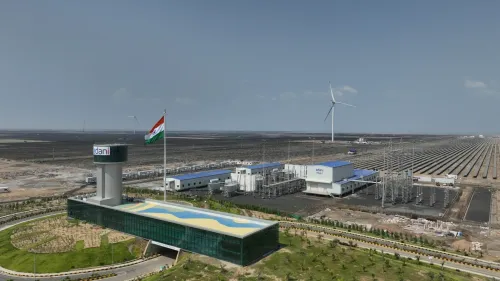
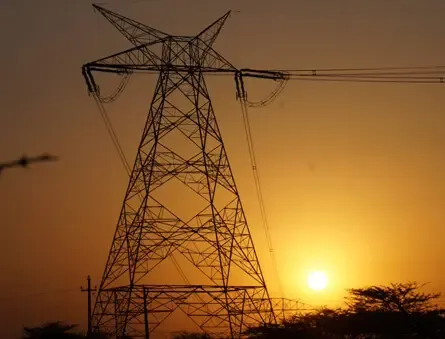
The project aims to bridge Kenya 's long-standing gap between renewable energy generation capacity and its outdated transmission infrastructure.
The deal positions India as a third alternative to Western multilateral lenders and China in African infrastructure financing.
Analysts describe Adani Energy 's model as a 'hybrid' — private capital aligned with India's national strategic interests, potentially offering Kenya greater negotiating flexibility.
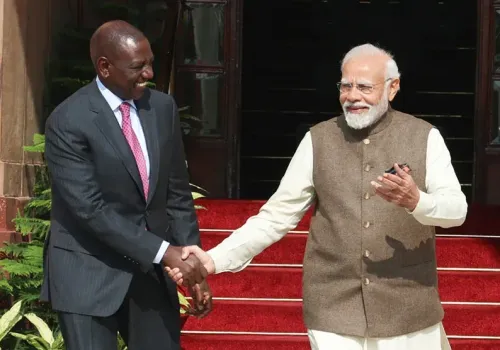
The Indian diaspora has been active in Kenya 's commercial landscape for over a century, providing a historical foundation for deeper bilateral economic ties.
Adani Energy Solutions has secured approval for a KES 117 billion (Kenyan shilling) power transmission project in Kenya, marking a significant milestone in India-Kenya economic relations and signalling a broader shift in how African nations are structuring their infrastructure partnerships, according to analysis published in India Narrative.
The Energy Gap This Project Targets
Kenya's renewable energy generation capacity — driven by geothermal, wind, and solar investments — has for years outpaced the country's transmission infrastructure. The result is a paradox: abundant clean power that cannot be efficiently distributed to consumers and industries that need it. A modernised transmission network backed by Adani Energy is positioned to close this gap, enabling Kenya to fully monetise its renewable energy assets.
A Third Alternative to Western and Chinese Capital
Large-scale infrastructure financing in Africa has historically been dominated by Western multilateral institutions and, more recently, by China. India's growing footprint in the continent introduces a third model — one that reportedly combines competitive financing, technical expertise, and a distinct geopolitical posture.
According to the analysis, Adani Energy operates as a private conglomerate rather than a state-led entity, yet maintains alignment with India's broader economic ambitions. 'Unlike China's state-led model, Adani Energy operates as a private conglomerate, albeit one with close ties to India's broader economic ambitions. This distinction matters. It suggests a hybrid engagement model where private capital aligns with national strategic interests, potentially offering Kenya greater flexibility in negotiations and project structuring,' the article stated.
Strategic Stakes for India
For New Delhi, the Kenya project carries significance well beyond a single infrastructure contract. Kenya serves as a gateway to East Africa and a key node in the Indian Ocean strategic corridor. Strengthening energy infrastructure there aligns with India's wider agenda of expanding connectivity, trade, and influence across the continent — positioning the country as a development partner that emphasises capacity-building and long-term collaboration over extractive engagement, the analysis noted.
Historical Ties Provide a Foundation
The India-Kenya relationship is not starting from scratch. Historically, the two nations share deep ties rooted in trade, migration, and cultural exchange, with the Indian diaspora having played a significant role in Kenya's commercial landscape for over a century. Analysts see this project as a potential inflection point — a concrete economic anchor that could translate longstanding people-to-people ties into structured bilateral investment flows.
What Comes Next
The approval of the KES 117 billion transmission project is being viewed as a starting point rather than a culmination. If executed successfully, it could open the door to deeper India-Africa infrastructure engagement, with Kenya serving as a template for similar partnerships across the continent. Observers will be watching closely whether the project's implementation matches the strategic ambition it represents.
Point of View
Where private capital carries national strategic weight, is novel but untested at scale on the continent. The real question is execution: India has announced Africa ambitions before without the follow-through to match. If Adani delivers on the Kenya transmission project on time and within budget, it becomes a proof-of-concept for a much larger India-Africa infrastructure play. If it falters, it reinforces the perception that Indian private capital lacks the sovereign backstop that Chinese state financing provides. Kenya is watching — and so is the rest of East Africa.
NationPress
7 Oct 2026
Frequently Asked Questions
What is the Adani Energy power transmission project in Kenya?
It is a KES 117 billion power transmission infrastructure project approved in Kenya , backed by Adani Energy Solutions . The project is designed to modernise Kenya's electricity transmission network so the country can fully utilise its existing renewable energy generation capacity from geothermal, wind, and solar sources.
Why does Kenya need this transmission project?
Kenya's renewable energy generation has long outpaced its transmission infrastructure, meaning abundant clean power cannot be efficiently distributed. The Adani-backed project aims to close this gap and allow Kenya to capitalise on its renewable energy potential.
How does India's role differ from China's in African infrastructure financing?
Unlike China's state-led financing model, Adani Energy operates as a private conglomerate, though one aligned with India's broader strategic interests. Analysts describe this as a 'hybrid engagement model' that could offer Kenya greater flexibility in negotiations compared to sovereign-backed Chinese deals.
Why is Kenya strategically important for India?
Kenya is a gateway to East Africa and a key partner in the Indian Ocean region. Strengthening energy infrastructure there supports New Delhi's broader agenda of expanding trade, connectivity, and influence across Africa. The Indian diaspora has also been embedded in Kenya's commercial life for over a century.
What could this project mean for India-Africa relations more broadly?
If successfully executed, the Kenya project could serve as a template for India's wider infrastructure engagement across Africa, establishing India as a credible third alternative to Western institutions and China in large-scale African development financing.