CM Pema Khandu in Shillong for 73rd NEC Plenary, NESAC Meet
Synopsis
Arunachal Pradesh Chief Minister Pema Khandu reached Shillong to attend the 73rd Plenary Session of the North Eastern Council and a parallel meeting of the North Eastern Space Applications Centre, flagging collaborative efforts for the region's progress, prosperity and transformation across the eight North Eastern states.
Key Takeaways
Pema Khandu reached Shillong on Wednesday for the 73rd NEC Plenary Session.
He is also attending a meeting of the North Eastern Space Applications Centre (NESAC).
NEC was set up under the North Eastern Council Act, 1971, as a statutory regional body.
NESAC, established in 2000, is a joint ISRO-NEC initiative for satellite-based applications.
Khandu framed the visit around 'progress, prosperity and transformation' of the North East.
The plenary is expected to clear project sanctions feeding into state budgets.
Arunachal Pradesh Chief Minister Pema Khandu arrived in Shillong on Wednesday to attend the 73rd Plenary Session of the North Eastern Council (NEC) and a parallel meeting of the North Eastern Space Applications Centre (NESAC). Announcing his arrival on X, Khandu said he was 'looking forward to productive discussions and collaborative efforts for the progress, prosperity and transformation of our region.' He also tagged Meghalaya Governor Phagu Chauhan via the handle @GovParnaik in the post.
Context
The NEC plenary is the principal annual forum where chief ministers and governors of the eight North Eastern states meet central representatives to align state priorities with regional funding decisions. Shillong, the long-standing headquarters of the Council, traditionally hosts the session, and the 73rd edition continues that pattern.
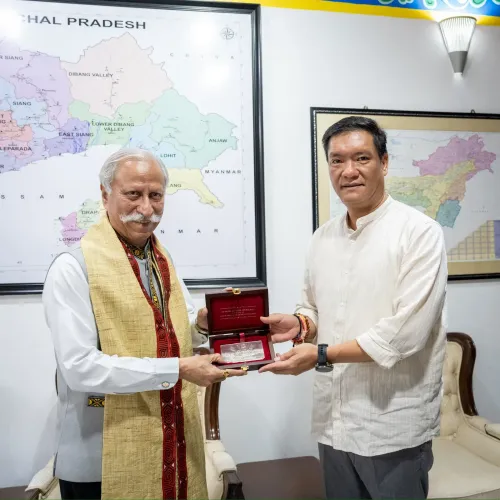
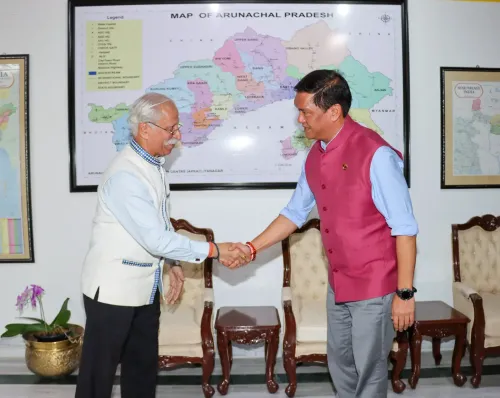
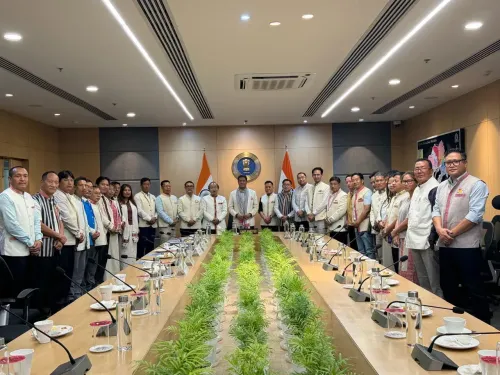
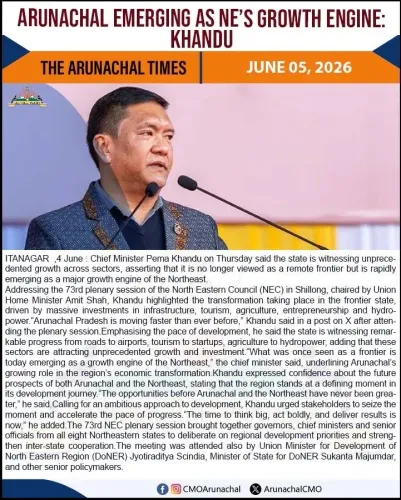
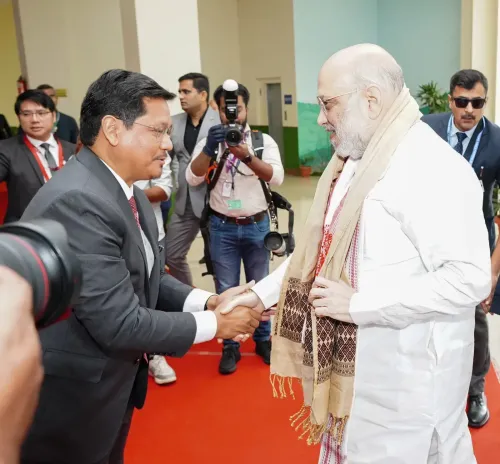
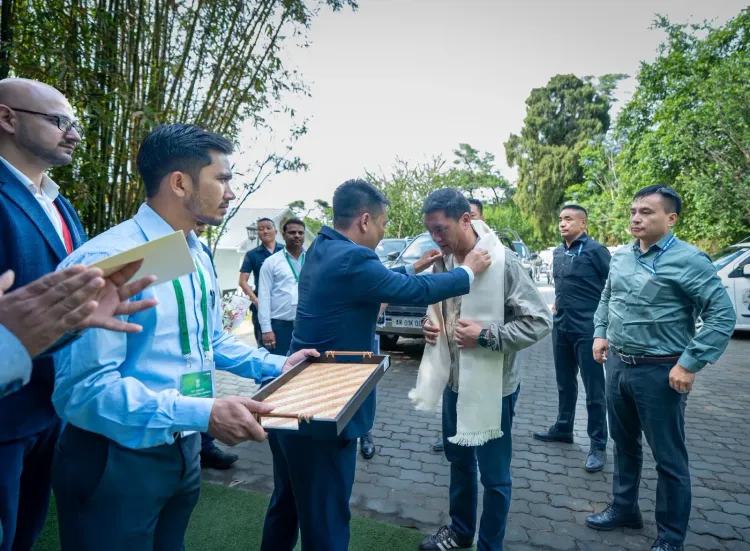
Khandu's note that he had 'reached Shillong today' was accompanied by hashtags including #TeamNorthEast and #Development, framing the visit as part of a collective regional agenda rather than a bilateral state errand. Four images were attached to the post, signalling the ceremonial weight the Arunachal government attaches to the gathering.
Policy backdrop
The North Eastern Council was constituted under the North Eastern Council Act, 1971, as a statutory advisory and funding body to coordinate integrated development across the region. Over five decades, its plenary sessions have evolved into the main vehicle for clearing project sanctions, reviewing scheme delivery and harmonising state asks with central allocations.
The North Eastern Space Applications Centre, set up in 2000 as a joint initiative of the Department of Space and the NEC, anchors satellite-based applications for the region. Its work spans disaster management, agriculture monitoring, flood forecasting, border-area mapping and infrastructure planning — areas of acute relevance to a frontier state like Arunachal Pradesh, which shares a long international boundary and faces recurring landslide and flash-flood risks.
Holding the NEC plenary and the NESAC meeting in tandem reflects a deliberate institutional design: policy decisions taken at the Council can be operationalised through the Centre's technical programmes, while NESAC's remote-sensing outputs feed back into NEC project appraisal.
Stakeholders and impact
For Arunachal Pradesh, NEC sanctions historically support road connectivity, power evacuation, horticulture value chains and tourism circuits — sectors that lean heavily on central co-funding. Khandu, who has led the state since 2016, has consistently used the NEC platform to press for connectivity and climate-resilience projects in the eastern Himalayan belt.
The broader stakeholder set includes the other seven North Eastern states — Assam, Meghalaya, Manipur, Mizoram, Nagaland, Tripura and Sikkim — along with central ministries handling the Development of North Eastern Region (DoNER) portfolio. NESAC's outputs additionally serve line departments in agriculture, disaster management and rural development across all eight states.
By projecting the visit publicly, Khandu also signals continued buy-in for the Act East framework, under which space-enabled infrastructure planning and cross-border connectivity have been recurring themes.
What's next
Attention will turn to the project list cleared at the 73rd Plenary and the technical programmes endorsed by the NESAC governing body. Subsequent state budget statements — including Arunachal Pradesh's own supplementary provisions — will indicate how the decisions translate into on-ground allocations.
For a region where development outcomes depend disproportionately on inter-state coordination and central transfers, the Shillong sittings remain a bellwether. Khandu's emphasis on 'collaborative efforts' suggests Arunachal will continue to push for cross-state projects rather than purely sub-national schemes, a stance likely to shape the implementation calendar over the coming months.
Point of View
With its frontier geography and disaster exposure, the satellite-applications track is arguably as consequential as the funding track. The political signal — 'TeamNorthEast' framing — also reinforces the BJP's continued investment in a unified regional narrative.
NationPress
20 Sept 2026
Frequently Asked Questions
What is the 73rd NEC plenary session?
It is the 73rd annual plenary of the North Eastern Council, the statutory regional body that coordinates development planning and funding for the eight North Eastern states. The session is being held in Shillong, the Council's headquarters.
Why is Pema Khandu in Shillong?
Arunachal Pradesh Chief Minister Pema Khandu is in Shillong to attend the 73rd Plenary Session of the North Eastern Council and a parallel meeting of the North Eastern Space Applications Centre (NESAC).
When was the North Eastern Council established?
The North Eastern Council was established in 1971 under the North Eastern Council Act as a statutory advisory and funding body for integrated development of the North Eastern Region.
Which states fall under the North Eastern Council?
The NEC covers eight states: Arunachal Pradesh, Assam, Manipur, Meghalaya, Mizoram, Nagaland, Sikkim and Tripura.