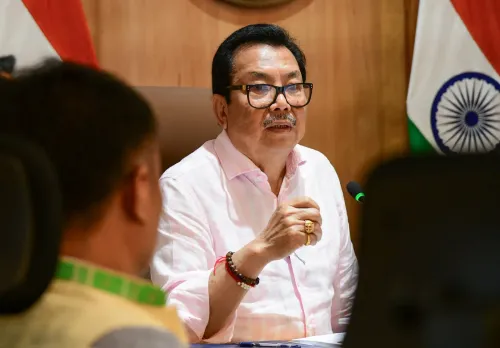
CM Pema Khandu highlights AP's growth at 73rd NEC Plenary
Synopsis
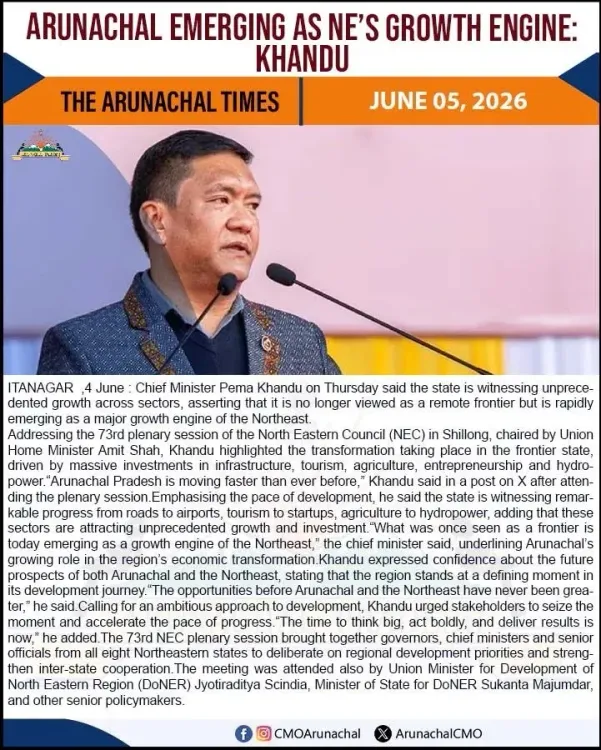
Chief Minister Pema Khandu attended the 73rd NEC Plenary Session in Shillong on June 5, 2026, presenting Arunachal Pradesh's achievements in infrastructure, hydropower, tourism, agriculture, and entrepreneurship before the regional body's chief ministers and central representatives.
Key Takeaways
CM Pema Khandu attended the 73rd Plenary Session of the North Eastern Council in Shillong on June 5, 2026 .
He highlighted progress across five sectors: infrastructure, tourism, agriculture, entrepreneurship, and hydropower .
The North Eastern Council , established in 1971 , coordinates development across all eight Northeastern states and has held plenary sessions since 1972 .
Arunachal Pradesh borders China, Bhutan, and Myanmar , giving its connectivity and energy agenda national strategic significance.
The session fits within the broader Act East Policy framework that has driven central investment in Northeastern infrastructure since 2014 .
Follow-up NEC communiqués and state budget announcements will indicate concrete outcomes from the plenary discussions.
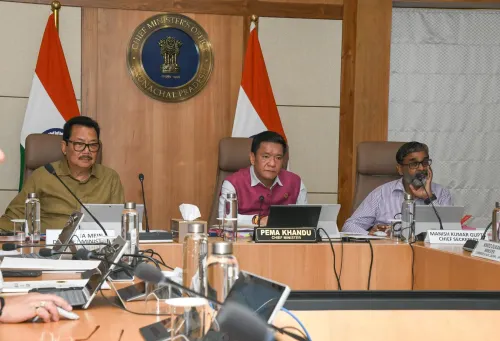
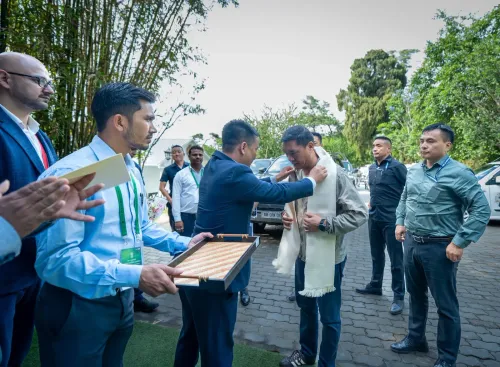
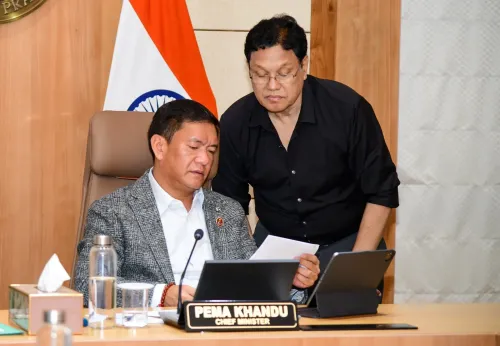
The Chief Minister's Office of Arunachal Pradesh announced on Friday, June 5, 2026, that Chief Minister Pema Khandu attended the 73rd Plenary Session of the North Eastern Council (NEC) in Shillong, where he highlighted the state's rapid progress across infrastructure, tourism, agriculture, entrepreneurship, and hydropower.
Context
The North Eastern Council, established in 1971 under the NEC Act, is the statutory regional planning body that coordinates development across India's eight Northeastern states. Its plenary sessions — held annually or biennially since the first in 1972 — serve as a formal platform for chief ministers to present sector-wise achievements and seek coordinated central support. Shillong, the capital of Meghalaya, has long been a preferred venue for such regional summits given its central location among the Northeastern states.
Policy Backdrop
Arunachal Pradesh's emphasis at the plenary aligns with the trajectory set by the Act East Policy, unveiled by the Government of India in 2014, which prioritised infrastructure corridors and trade linkages through the Northeastern states. Central umbrella programmes such as Bharatmala and the North East Special Infrastructure Development Scheme (NESIDS) have channelled accelerated funding toward roads, airports, and power projects in the region since the mid-2010s. Arunachal Pradesh, India's northeasternmost state, carries particular strategic weight given its borders with China, Bhutan, and Myanmar, making connectivity and energy development national priorities beyond state-level ambition.
CM Khandu, who has led the state since July 2016, has consistently positioned Arunachal Pradesh as a frontrunner in hydropower potential and ecotourism, two sectors that the NEC plenary format is designed to amplify through inter-state and Centre-state dialogue. The 73rd session provided a fresh occasion to place the state's progress on the regional record.
Stakeholders and Impact
The sectors highlighted at the plenary — infrastructure, tourism, agriculture, entrepreneurship, and hydropower — touch the lives of the state's residents most directly, from farmers and small business owners in remote districts to hydropower developers and tourism operators who depend on last-mile connectivity. Hydropower in particular represents Arunachal Pradesh's single largest natural resource opportunity; the state is estimated to hold a substantial share of India's untapped river-based generation capacity, and NEC-level visibility can accelerate clearances and investment timelines.
Tourism operators and agri-entrepreneurs also stand to benefit from any coordinated NEC recommendations that flow from the plenary, particularly those tied to road and digital connectivity improvements that make remote areas commercially viable.
What's Next
Observers will watch for follow-up announcements in Arunachal Pradesh's state budget cycle and subsequent NEC communiqués that translate the plenary discussions into concrete project approvals or funding allocations. Parliamentary debates on the next phase of Act East connectivity corridors will also indicate how the Centre responds to the priorities raised by Northeastern chief ministers at the session. Any new hydropower and tourism project timelines announced in the weeks following the plenary will be a direct measure of the session's practical output.
Point of View
The state is signalling readiness to absorb both central capital and private investment — a posture that gains urgency given the strategic sensitivity of its borders. The NEC platform, often underappreciated in national discourse, has become more consequential as Act East transitions from policy statement to project pipeline. How the Centre responds in subsequent budget allocations will reveal whether the plenary carries real resource leverage or remains largely ceremonial.
NationPress
20 Oct 2026
Frequently Asked Questions
What is the North Eastern Council and why does it matter?
The North Eastern Council is a statutory body set up in 1971 to plan and coordinate development across India's eight Northeastern states; its plenary sessions allow chief ministers to present achievements and seek central support for regional priorities.
What did CM Pema Khandu highlight at the 73rd NEC Plenary?
CM Pema Khandu highlighted Arunachal Pradesh's rapid progress in infrastructure, tourism, agriculture, entrepreneurship, and hydropower at the 73rd NEC Plenary Session held in Shillong on June 5, 2026.
Where was the 73rd NEC Plenary Session held?
The 73rd Plenary Session of the North Eastern Council was held in Shillong, the capital of Meghalaya, which is a frequent venue for Northeast regional summits.
How long has Pema Khandu been Chief Minister of Arunachal Pradesh?
Pema Khandu has been Chief Minister of Arunachal Pradesh since July 2016, during which time he has focused on connectivity, hydropower development, and tourism promotion.
What is the Act East Policy and how does it relate to Arunachal Pradesh?
The Act East Policy, launched by the Government of India in 2014, prioritises infrastructure corridors and trade links through Northeastern states; Arunachal Pradesh is central to it given its strategic borders and hydropower resources.