Owaisi Backs Telangana Databases for Welfare of Poor, Minorities
Synopsis
AIMIM president Asaduddin Owaisi on July 10, 2026, highlighted Telangana's state-level databases — including the Samagra Kutumba Survey and caste surveys — as authentic tools for welfare decisions, urging a positive outcome for the poor, minorities, BCs, SCs and STs in the state.
Key Takeaways
AIMIM president Asaduddin Owaisi posted on X on July 10, 2026 , backing Telangana's state databases for welfare policy decisions.
He cited the Samagra Kutumba Survey , Socio-Economic and Caste Survey of 2024 and 2025 , BHU Bharati Act 2025 , Food Security Card database, Municipal Tax records, and School and Board records as authentic sources.
Owaisi called for a 'positive decision' in the interest of the poor, minorities , Backward Classes , SCs , and STs of Telangana.
India's last national Socio-Economic and Caste Census dates to 2011 , prompting states to build their own enumeration systems.
The formal recognition of these databases could expand welfare and reservation entitlements to millions in Telangana .
Outcomes of any judicial or executive proceedings on the admissibility of these datasets will have wider national implications.
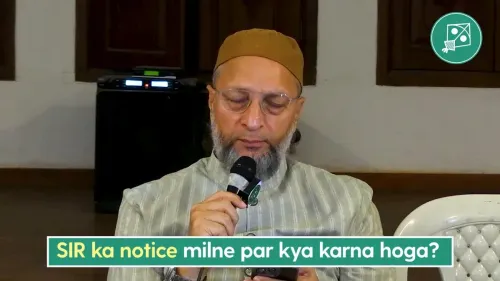
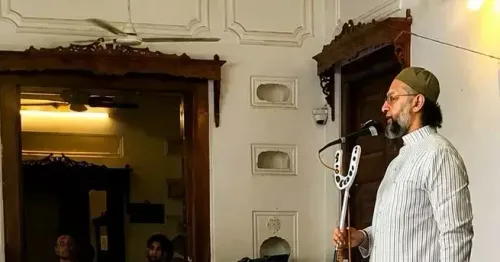
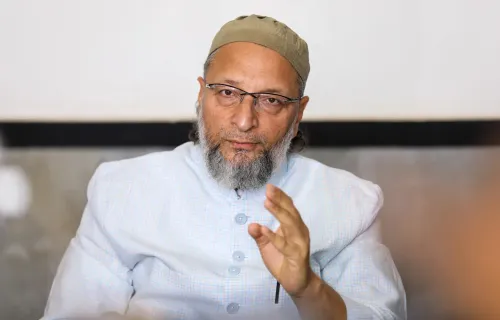
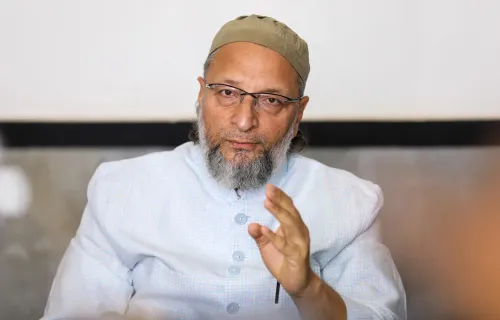
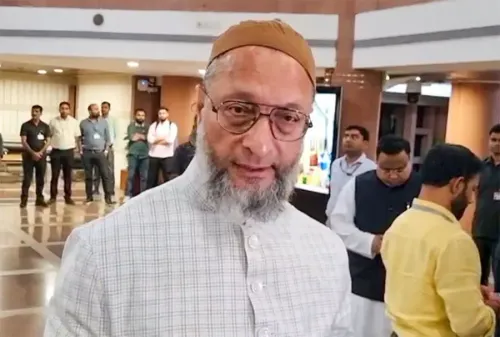
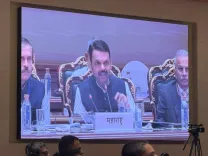
AIMIM president Asaduddin Owaisi on Friday, July 10, 2026, voiced support for Telangana's state-level survey and administrative databases as the basis for welfare decisions benefiting the poor, minorities, backward classes, and SC/ST communities in the state. Responding to a post on X, the Hyderabad Lok Sabha MP highlighted the authenticity of multiple existing databases and expressed hope that a 'positive decision' would follow in the larger interest of these groups.
Context
Owaisi's post, a reply on X, pointed to a cluster of Telangana government databases as credible and ready-to-use sources for policy targeting. He specifically cited the Samagra Kutumba Survey, the Socio-Economic and Caste Survey of 2024 and 2025, the BHU Bharati Act 2025, the Food Security Card database of the Civil Supplies Department, Municipal Tax records, and School and Board records as authentic state-level instruments.
The AIMIM chief did not specify the precise judicial or executive proceeding he was addressing, but the framing — urging a 'positive decision' — suggests a pending policy or legal determination on whether these datasets can be formally used to extend or revise welfare and reservation benefits.
Policy Backdrop
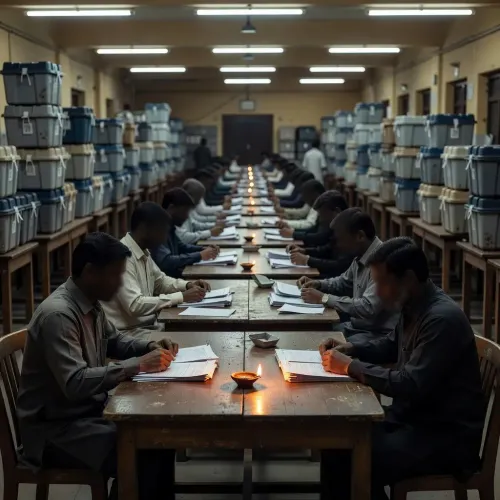
India's last national Socio-Economic and Caste Census was conducted in 2011, and its caste-disaggregated data was never fully released, leaving states to fill the data gap through their own surveys. Telangana, carved out as a separate state in 2014, has since invested in household-level enumeration through the Samagra Kutumba Survey, which maps families for targeted welfare delivery.
The broader national pattern has seen states such as Bihar — which published its own caste survey results in 2023 — move toward state-driven enumeration to support revised reservation and welfare policies. These efforts have, however, attracted legal scrutiny over methodology and the permissibility of using administrative records as substitutes for a formal census.
Owaisi's invocation of the BHU Bharati Act 2025 and the 2024-2025 Socio-Economic and Caste Survey places AIMIM squarely within Telangana's ongoing effort to build an updated, legally defensible data architecture for social justice programmes.
Stakeholders and Impact
The communities Owaisi specifically names — the poor, minorities, Backward Classes (BCs), Scheduled Castes (SCs), and Scheduled Tribes (STs) — are the primary beneficiaries of welfare schemes tied to survey-based identification in Telangana. Accurate, up-to-date enumeration directly determines eligibility for food security cards, educational benefits, housing schemes, and reservation quotas.
For AIMIM, which draws its core support from Muslim minorities and lower-income urban communities in and around Hyderabad, the availability and formal recognition of these databases is a political as much as an administrative priority. Any positive decision by the government or courts to validate these databases would expand the reach of entitlements to groups that AIMIM represents.
What's Next
The outcome of any proceedings — whether in the Telangana High Court, the Supreme Court, or within the state assembly — on the admissibility and use of these databases for policy implementation will be closely watched. A favourable ruling or executive order could set a precedent for how state-level surveys are used to recalibrate reservations and welfare targeting across India.
Owaisi's public endorsement adds political weight to the demand, signalling that AIMIM will continue to press for the formal adoption of Telangana's survey infrastructure in the interest of the state's most vulnerable communities.
Point of View
He is building a public record that Telangana already possesses the tools to act — shifting the burden of inaction onto decision-makers. This fits a broader AIMIM strategy of using legislative and judicial forums to press for data-driven expansion of minority and backward-class entitlements. The post also signals that any adverse ruling or executive delay will be politically contested, with AIMIM positioned as the community's watchdog.
NationPress
9 Oct 2026
Frequently Asked Questions
What is the Samagra Kutumba Survey in Telangana?
The Samagra Kutumba Survey is a comprehensive household enumeration exercise launched by the Telangana government to map families and improve targeting of welfare benefits and government schemes.
Why is Owaisi highlighting Telangana's caste survey databases?
Owaisi is urging that Telangana's existing state-level databases — including caste and socio-economic surveys — be formally used to extend welfare and reservation benefits to the poor, minorities, BCs, SCs and STs, amid a pending policy or legal decision.
What is the BHU Bharati Act 2025?
The BHU Bharati Act 2025 is a Telangana state legislation cited by Owaisi as one of the authentic databases that can support welfare and reservation policy decisions for marginalised communities in the state.
Why do Indian states conduct their own caste surveys?
India's national Socio-Economic and Caste Census was last conducted in 2011 and its caste data was never fully published, prompting states like Telangana and Bihar to conduct their own surveys to update data for reservations and welfare targeting.
What communities does Owaisi say will benefit from these databases?
Owaisi specifically mentions the poor, religious minorities, Backward Classes (BCs), Scheduled Castes (SCs), and Scheduled Tribes (STs) of Telangana as the communities who stand to benefit from a positive decision based on these databases.