Tejashwi Yadav pays tribute to Bhojpuri legend Bhikhari Thakur
Synopsis
RJD leader Tejashwi Yadav marked the death anniversary of Bhikhari Thakur on 10 July 2026, honouring the Bhojpuri playwright and social reformer as the 'Shakespeare of Bhojpuri' and an immortal folk artist whose theatrical legacy continues to define the cultural identity of Bihar.
Key Takeaways
Tejashwi Yadav paid tribute to Bhikhari Thakur on his death anniversary on 10 July 2026 via a post on X.
Yadav described Thakur as the 'Shakespeare of Bhojpuri' and an immortal folk artist ( amar lok kalakar ).
Bhikhari Thakur (1887–1971) was a playwright, lyricist, dancer, singer, actor and social activist from Saran district, Bihar .
His landmark play Bidesiya addressed labour migration, caste discrimination and gender suffering in the Bihar–eastern Uttar Pradesh belt.
Marking Bhojpuri cultural anniversaries is a recurring practice among Bihar politicians to signal identification with the state's linguistic communities.
Thakur's legacy remains central to ongoing debates around Bhojpuri's inclusion in the Eighth Schedule of the Constitution.
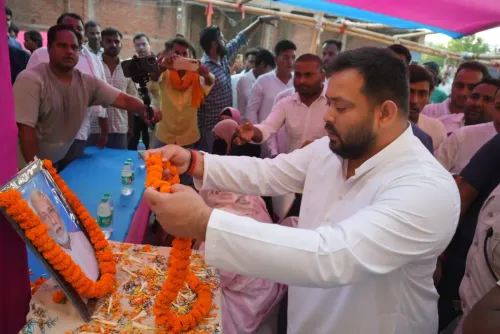
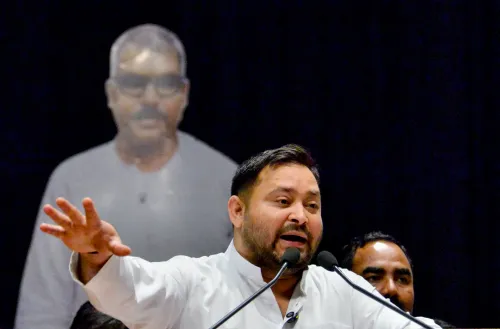
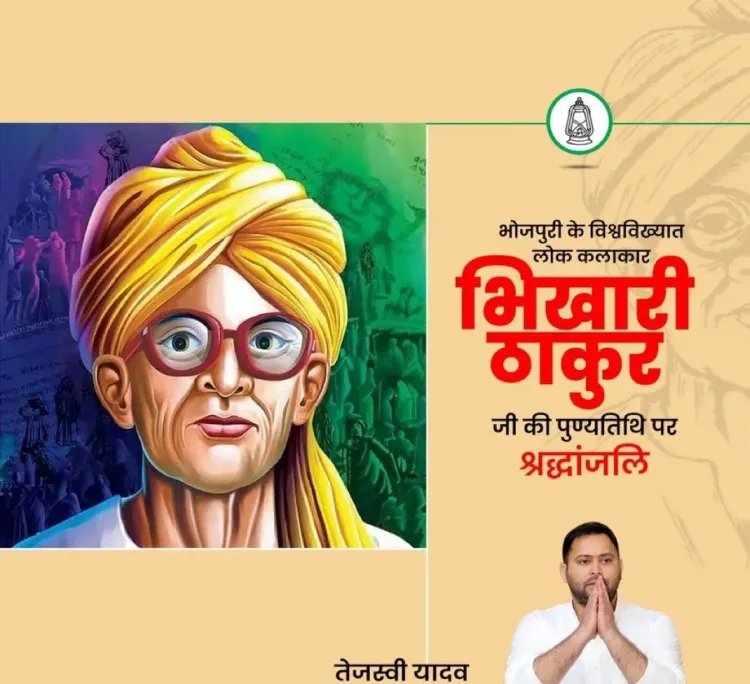
RJD leader Tejashwi Yadav on Friday, 10 July 2026 paid homage to Bhikhari Thakur, the celebrated Bhojpuri playwright and folk artist, on his death anniversary, hailing him as a towering messenger of social awakening and a master of every form of the stage.
Context
Posting on X, Yadav described Thakur as 'Bhojpuri ke Shakespeare' — 'the Shakespeare of Bhojpuri' — and offered what he called a heartfelt shraddhanjali (tribute) to the artist. He enumerated Thakur's many roles: playwright, lyricist, dancer, singer, actor and social activist, crediting him with the rare ability to translate every nuance and conflict of human life into performance across all theatrical forms.
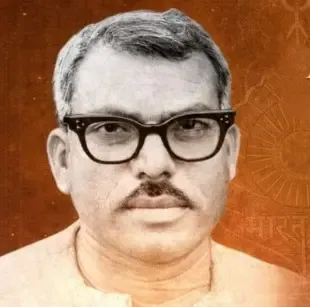
The tribute was accompanied by an image, underscoring the personal and public significance Yadav attaches to the occasion. His post described Thakur as an 'amar lok kalakar' — an immortal folk artist — whose legacy endures well beyond his lifetime.
Who Was Bhikhari Thakur
Bhikhari Thakur (1887–1971) was born in Saran district, Bihar, and rose from a barber-caste background to become the defining voice of Bhojpuri folk theatre. His most celebrated work, Bidesiya, dramatised the anguish of labour migration, caste discrimination, and the suffering of women left behind — themes that resonated deeply across the Bihar–eastern Uttar Pradesh belt.
Thakur composed, directed, and performed his own plays, blending Nautanki, Jatra and other folk traditions into a distinctive idiom. His work is widely regarded as the foundation of modern Bhojpuri cultural identity, and he has been the subject of sustained academic and state-level recognition as an exemplar of intangible heritage.
Policy Backdrop
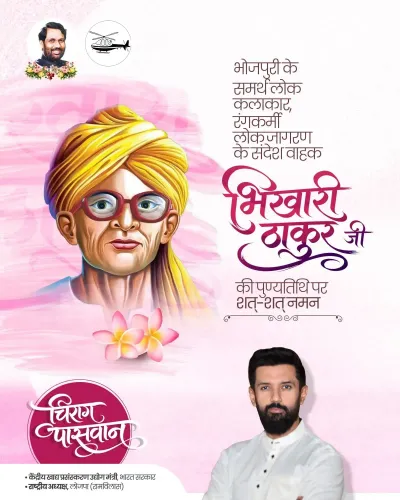
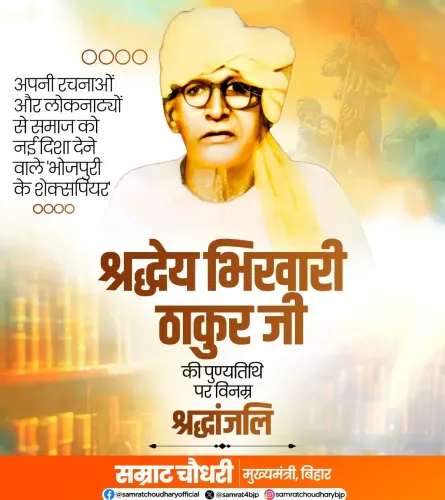
Marking the death anniversaries of Bhojpuri and Maithili cultural icons is a well-established practice among Bihar's political class across party lines. Such tributes signal a politician's identification with linguistic communities that together account for the bulk of the state's electorate.
Calls for Bhojpuri's inclusion in the Eighth Schedule of the Constitution — which would grant it official language status — have periodically surfaced in parliamentary debates, with Bihar leaders of various parties lending their voices. Folk theatre festivals and Bhojpuri academy programmes scheduled around July each year often draw renewed attention to Thakur's legacy at the institutional level.
Stakeholders and Impact
Thakur's legacy directly touches Bhojpuri artists, folk theatre practitioners, and the wider diaspora of Bhojpuri speakers stretching from Bihar and eastern Uttar Pradesh to Mauritius, Fiji, Suriname and the Gulf states. For this community, public recognition by senior political figures carries both cultural and symbolic weight.
For Yadav personally, the tribute reinforces the RJD's long-standing positioning as a party rooted in the cultural and social concerns of Bihar's backward and marginalised communities — the same constituencies Thakur himself championed through his art.
What's Next
The death anniversary of Bhikhari Thakur typically prompts district-level cultural events, recitals of Bidesiya, and institutional calls for greater state support for Bhojpuri folk theatre. Whether the current political moment in Bihar translates such tributes into concrete policy — additional funding for Bhojpuri academies or formal heritage designations — remains to be seen, but the annual cycle of recognition keeps the demand alive in public discourse.
Point of View
Caste hierarchy and gender oppression maps directly onto the RJD's core ideological terrain. The choice to call Thakur the 'Shakespeare of Bhojpuri' is also a subtle assertion of cultural equivalence, pushing back against hierarchies that have historically privileged Sanskrit and Hindi literary traditions over folk forms. Against the backdrop of recurring demands for Bhojpuri's constitutional recognition, such tributes from prominent opposition leaders keep the issue politically warm without requiring legislative action. The gesture is low-cost but high-resonance for the Bhojpuri-speaking electorate that straddles Bihar and eastern Uttar Pradesh.
NationPress
9 Oct 2026
Frequently Asked Questions
Who was Bhikhari Thakur?
Bhikhari Thakur (1887–1971) was a Bhojpuri playwright, singer, dancer, actor and social reformer from Saran district in Bihar, widely regarded as the 'Shakespeare of Bhojpuri' for his landmark folk plays, most notably Bidesiya, which addressed migration, caste and gender issues.
Why is Bhikhari Thakur called the Shakespeare of Bhojpuri?
The title reflects the breadth and depth of his contribution to Bhojpuri theatre — he wrote, composed, directed and performed his own works, blending multiple folk traditions and using the stage to comment on pressing social realities, much as Shakespeare did for the English theatrical canon.
When did Tejashwi Yadav pay tribute to Bhikhari Thakur?
Tejashwi Yadav posted his tribute on X on Friday, 10 July 2026, marking Bhikhari Thakur's death anniversary.
What was Bhikhari Thakur's most famous play?
His most celebrated work is Bidesiya, which dramatised the pain of labour migration from Bihar, caste discrimination, and the suffering of women whose husbands left for distant work — themes that resonated strongly across the Bihar and eastern Uttar Pradesh belt.
Why do Bihar politicians regularly pay tribute to Bhojpuri cultural figures?
Marking the death anniversaries of Bhojpuri and Maithili cultural icons is a well-established political practice in Bihar, allowing leaders to signal identification with the state's dominant linguistic communities and reinforce their cultural credentials with a large section of the electorate.