CM Pema Khandu Hails Army Medical Camp for 200+ Border Villagers
Synopsis
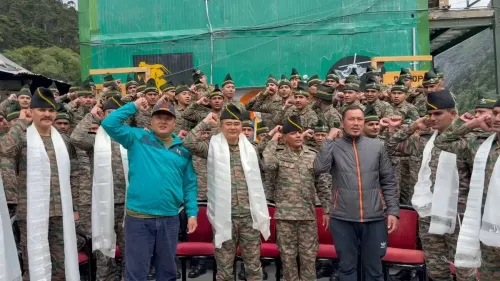
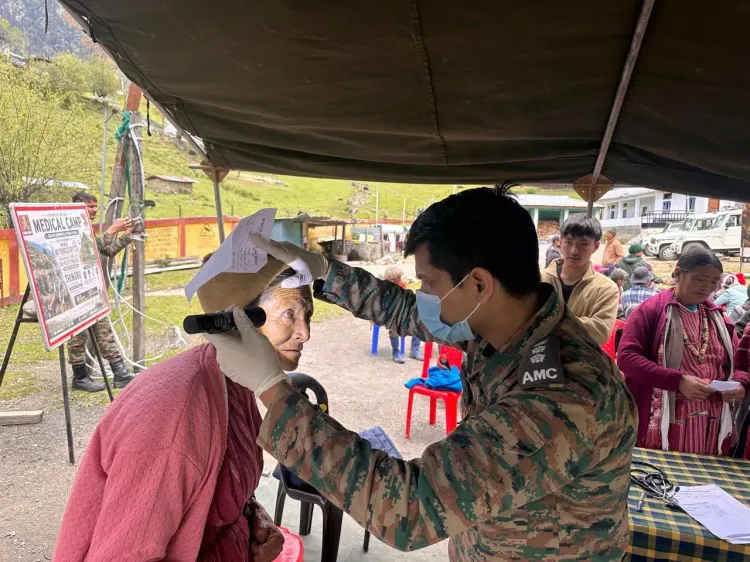
On World No Tobacco Day, Arunachal Pradesh CM Pema Khandu commended the Indian Army's Sela Warriors under Gajraj Corps for organising a free medical camp in Thingbu, Tawang, serving over 200 border villagers in collaboration with the local civil administration.
Key Takeaways
Arunachal Pradesh CM Pema Khandu praised the event on 31 May 2026 , World No Tobacco Day.
The free medical camp was organised by the Sela Warriors under Gajraj Corps (IV Corps) in Thingbu, Tawang district .
Over 200 villagers from the remote border area benefited from the camp.
The camp was conducted in collaboration with the Civil Administration of Thingbu .
Indian Army civic action programmes in the Northeast have a continuous history dating back to the 1960s .
Thingbu is located near the Line of Actual Control with China, in one of India's most strategically sensitive frontier districts.
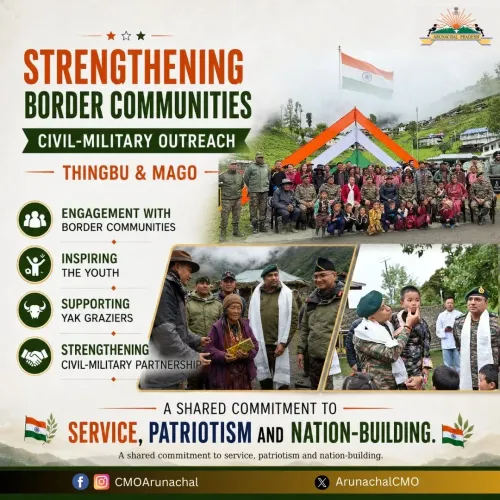
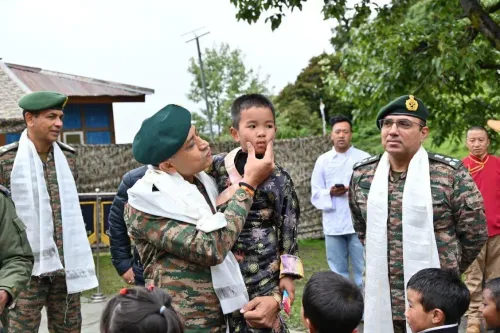
Arunachal Pradesh Chief Minister Pema Khandu on Sunday, 31 May 2026 praised the Indian Army's Sela Warriors unit under Gajraj Corps for organising a free medical camp in Thingbu that benefited over 200 villagers, marking the occasion of World No Tobacco Day. The camp was conducted in collaboration with the civil administration of Thingbu, a remote circle in Tawang district situated near the Line of Actual Control with China.
Context
World No Tobacco Day, observed every year on 31 May, provided the backdrop for the camp, which combined general health outreach with awareness around tobacco-related risks. Chief Minister Khandu's post on X highlighted the event as an example of the Army's contribution to civilian welfare beyond its primary security mandate. He wrote: 'Beyond safeguarding our borders, the Indian Army continues to make a meaningful contribution to the health and well-being of our border communities through such initiatives.'
The Sela Warriors are a formation under Gajraj Corps, the Indian Army's IV Corps headquartered in Tezpur, Assam, which oversees operations and civic activities across Arunachal Pradesh. The collaboration with the Civil Administration of Thingbu reflects a structured civil-military coordination model common in frontier districts.
Policy Backdrop
Indian Army civic action programmes in the Northeast have operated continuously since the 1960s, designed to support border populations in areas where civilian infrastructure remains sparse. Medical camps, veterinary assistance, and educational outreach form the core of these initiatives, which run alongside active security duties in sensitive zones adjacent to China.
Tawang district, where Thingbu is located, is among the most strategically significant frontier tracts in the country. The district has historically seen sustained Army presence, and health outreach there serves both welfare and civil-military relations objectives in a region that remains logistically challenging for state health services to reach consistently.
Stakeholders and Impact
The immediate beneficiaries were over 200 villagers from the Thingbu area who received free medical services at the camp. For communities in remote border circles, such camps often represent one of the few accessible points of formal healthcare, given the limited reach of district health infrastructure in high-altitude terrain.
The Civil Administration of Thingbu played a co-organising role, signalling coordinated effort between military and district-level governance. Chief Minister Khandu extended appreciation to 'all those involved for their dedicated service and commitment to public welfare,' underscoring the state government's recognition of Army-led welfare delivery in border areas.
What's Next
Similar health camps are expected to continue across Tawang and other border districts of Arunachal Pradesh as part of the Army's ongoing civic action calendar. The state government is also likely to announce or reinforce tobacco control measures in the period around World No Tobacco Day, consistent with annual public health observances. The pattern of Army-civil collaboration in frontier welfare delivery is expected to deepen as infrastructure gaps in remote border circles persist.
Point of View
Amplifying its visibility beyond a routine camp. For the BJP-led state government, highlighting Army welfare work in sensitive border districts near China also carries a quiet strategic message about the depth of state presence in remote frontier communities. The broader arc points to continued reliance on the Army as a welfare delivery mechanism in high-altitude areas where civilian infrastructure investment has not yet closed the gap.
NationPress
14 Oct 2026
Frequently Asked Questions
What happened at the Thingbu medical camp on World No Tobacco Day 2026?
The Indian Army's Sela Warriors unit under Gajraj Corps, in collaboration with the Civil Administration of Thingbu in Tawang district, organised a free medical camp that benefited over 200 villagers on 31 May 2026.
Who are the Sela Warriors in the Indian Army?
The Sela Warriors are a formation operating under Gajraj Corps, the Indian Army's IV Corps headquartered in Tezpur, Assam, which is responsible for operations and civic activities across Arunachal Pradesh.
What is Gajraj Corps and where is it based?
Gajraj Corps, formally IV Corps of the Indian Army, is headquartered in Tezpur, Assam, and is responsible for security and civic action programmes across Arunachal Pradesh and the surrounding Northeast region.
Where is Thingbu located in Arunachal Pradesh?
Thingbu is a remote administrative circle in Tawang district, Arunachal Pradesh, situated near the Line of Actual Control with China, making it one of India's most strategically sensitive frontier areas.
Why does the Indian Army conduct medical camps in Arunachal Pradesh?
The Indian Army has run civic action programmes, including medical camps, in the Northeast since the 1960s to support border communities in remote areas where civilian health infrastructure is limited, while also strengthening civil-military relations in sensitive frontier districts.