CM Pema Khandu hails Army-NIMAS team scaling Bajrang Peak
Synopsis
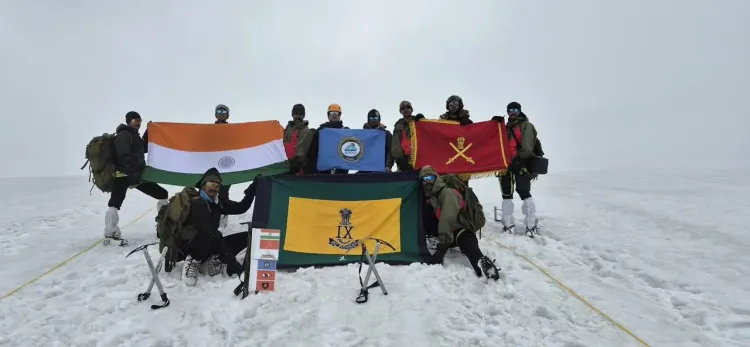
Arunachal Pradesh CM Pema Khandu on July 5, 2026, praised the Gajraj Corps, Sela Warriors, and NIMAS teams for successfully summiting Bajrang Peak (5,583m) via the Thingbu route under Operation Arunoday, calling it a landmark example of civil-military synergy driving frontier adventure tourism.
Key Takeaways
Bajrang Peak (5,583m) in Arunachal Pradesh was successfully scaled under Operation Arunoday by a joint civil-military team.
The expedition involved Gajraj Corps (Indian Army's IV Corps) , Sela Warriors , and NIMAS — India's premier mountaineering institute based in Dirang .
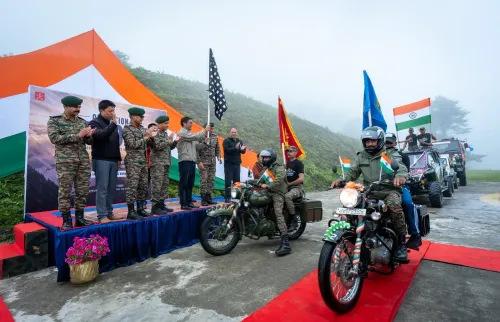
The team traversed the historic and challenging Thingbu route , with the expedition flagged off on June 26, 2026 .
CM Pema Khandu called the feat 'remarkable and historic,' framing it as a model for civil-military synergy in frontier development.
The operation aligns with India's Vibrant Villages Programme and Act East Policy , aiming to open remote border areas to responsible adventure tourism.
Further expeditions by Gajraj Corps and NIMAS are anticipated in 2026-27 as the state scales up its adventure-tourism policy.
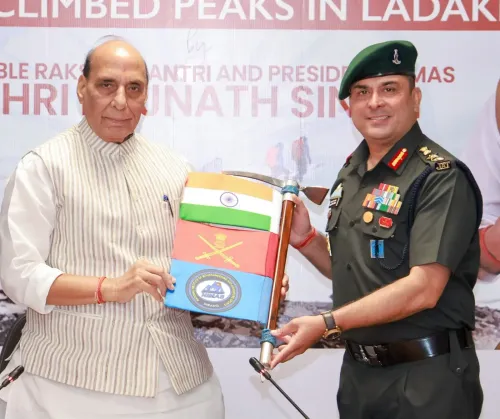
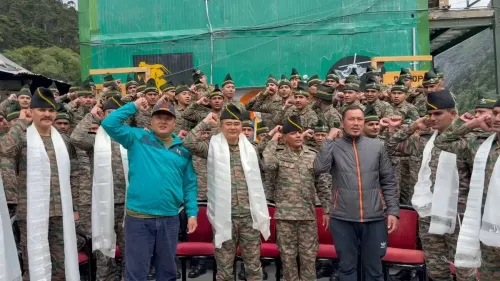
Arunachal Pradesh Chief Minister Pema Khandu on Sunday, July 5, 2026, congratulated the combined teams of Gajraj Corps, Sela Warriors, and the National Institute of Mountaineering and Adventure Sports (NIMAS) for successfully summiting Bajrang Peak (5,583 metres) under Operation Arunoday, calling the achievement 'remarkable and historic.' The expedition traversed the Thingbu route and was flagged off on June 26, 2026, marking a significant civil-military milestone in India's frontier regions.
Context
Operation Arunoday is a pioneering civil-military mountaineering expedition that brought together units of the Indian Army's IV Corps (Gajraj Corps), headquartered in Tezpur, Assam, along with personnel from NIMAS, based in Dirang, Arunachal Pradesh. The team scaled Bajrang Peak via the historically significant and technically demanding Thingbu route, completing the mission within days of its launch on June 26. Chief Minister Khandu described the feat as a demonstration of how 'civil-military synergy can transform remote frontiers into hubs of responsible adventure tourism.'
NIMAS is India's premier adventure-sports training institution, and its collaboration with Army formations in the Northeast has deepened over the past decade. The Thingbu route, noted for its historical and geographical significance, added an extra layer of challenge and prestige to the ascent.
Policy Backdrop
The expedition sits squarely within India's sustained push since 2014 to deepen civil-military cooperation in Arunachal Pradesh, linking operational border security with economic activities such as adventure tourism. Indian Army formations in the Northeast have run joint mountaineering programmes with state institutes since the mid-2010s, combining border familiarisation with tourism promotion along the Line of Actual Control (LAC).
This initiative also aligns with broader national frameworks — including the Vibrant Villages Programme and the Act East Policy — that seek to integrate remote frontier districts into mainstream economic activity. By opening high-altitude routes to structured adventure tourism, the government aims to generate livelihoods for border communities while reinforcing India's presence in strategically sensitive areas.
Stakeholders and Impact
The primary beneficiaries of Operation Arunoday span multiple groups: defence forces gain enhanced terrain familiarity and community goodwill; adventure tourism operators gain a high-profile, government-endorsed route; and border villages stand to benefit from increased footfall and economic activity. The successful summit of Bajrang Peak is expected to spotlight Arunachal Pradesh as a destination for responsible high-altitude trekking and mountaineering.
NIMAS plays a central role as the institutional bridge between military expertise and civilian adventure sports, lending credibility and trained manpower to such expeditions. The involvement of Gajraj Corps — the Army's primary formation responsible for LAC security in the state — underlines the strategic dimension of the exercise beyond mere sport.
What's Next
The success of Operation Arunoday is likely to accelerate Arunachal Pradesh's state adventure-tourism policy rollout, with further expeditions by Gajraj Corps and NIMAS anticipated in the 2026-27 calendar. Chief Minister Khandu's public endorsement signals strong political will to institutionalise such civil-military collaborations as a template for frontier development. If replicated across other high-altitude districts, the model could redefine how India's northeastern border regions are developed, secured, and connected to the national tourism economy.
Point of View
Not just a one-off feat. Operation Arunoday fits a deliberate pattern: use Army logistical muscle and NIMAS expertise to open high-altitude corridors, then hand them over to civilian tourism operators, creating a development-security feedback loop along the LAC. The timing, as India deepens its Vibrant Villages push in Arunachal Pradesh, suggests these expeditions will become more frequent and more formally integrated into state tourism planning. For the BJP government, such initiatives carry a dual dividend — reinforcing the 'strong borders' narrative while delivering visible economic activity to constituencies that have historically felt peripheral.
NationPress
5 Oct 2026
Frequently Asked Questions
What is Operation Arunoday?
Operation Arunoday is a civil-military mountaineering expedition in Arunachal Pradesh that brought together the Indian Army's Gajraj Corps, Sela Warriors, and NIMAS to scale Bajrang Peak (5,583m) via the Thingbu route, with the dual aim of border familiarisation and promoting responsible adventure tourism.
Where is Bajrang Peak located?
Bajrang Peak, standing at 5,583 metres, is located in Arunachal Pradesh, in India's northeastern frontier region near the Line of Actual Control.
What is NIMAS and where is it located?
NIMAS, the National Institute of Mountaineering and Adventure Sports, is India's premier adventure-sports training institution located in Dirang, Arunachal Pradesh. It regularly collaborates with Indian Army formations on high-altitude expeditions in the Northeast.
What is the Thingbu route?
The Thingbu route is a historically significant and technically challenging mountain trail in Arunachal Pradesh used by the Operation Arunoday team to ascend Bajrang Peak. Its historic character added prestige to the expedition.
How does Operation Arunoday relate to India's border development policy?
Operation Arunoday aligns with India's Vibrant Villages Programme and Act East Policy, which seek to integrate remote frontier districts into mainstream economic activity by combining military presence with adventure tourism and livelihood generation for border communities.