CM Rekha Gupta Backs MCD-NDDB Biogas MoU for Yamuna Cleanup
Synopsis
Delhi Chief Minister Rekha Gupta announced a landmark MoU between MCD and NDDB to build Compressed Bio Gas plants, aiming to eliminate cattle-dung inflow into the Yamuna and generate clean energy and additional income for gaushalas and cattle owners.
Key Takeaways
MCD and NDDB signed an MoU on 15 July 2026 to establish Compressed Bio Gas (CBG) projects in Delhi.
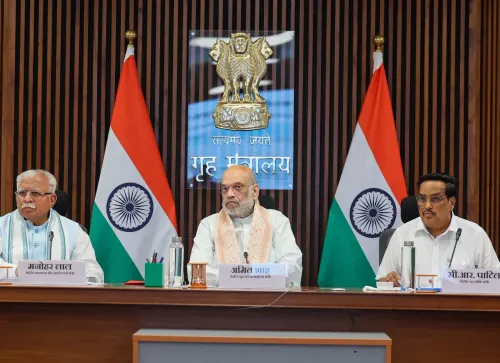
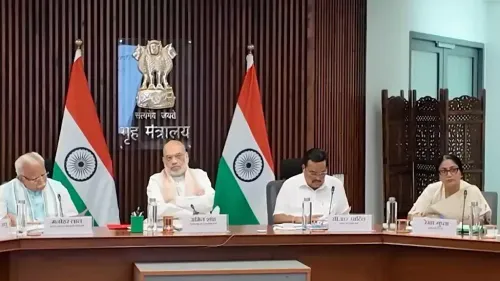
The signing took place in the presence of Union Home Minister Amit Shah , LG Taranjit Singh Sandhu , and MCD Mayor Pravesh Wahi .
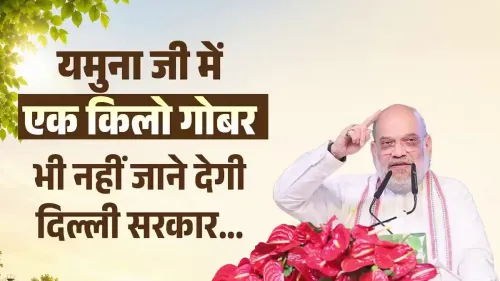
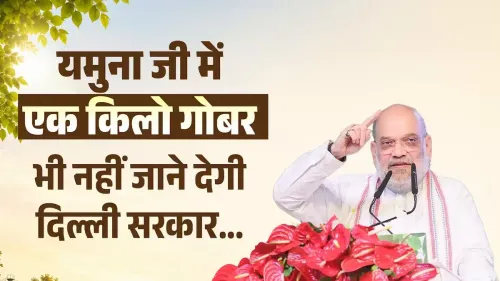
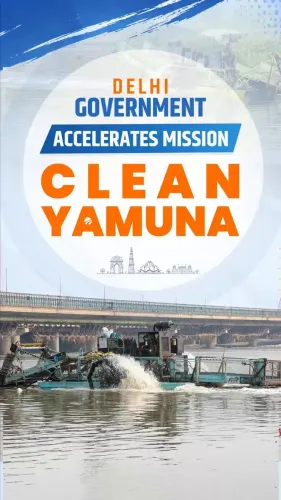
CM Rekha Gupta stated that approximately 1,500 metric tonnes of cattle dung entered the Yamuna daily under previous governments; her administration targets bringing this to zero .
The initiative will convert cattle dung into clean energy (CBG) and organic manure , while providing additional income to gaushalas and livestock owners.
The project aligns with the Centre's GobarDhan scheme (launched 2018) and the broader Yamuna rejuvenation policy framework.
Successful implementation in Delhi could serve as a model for replication in other riverine cities across India.
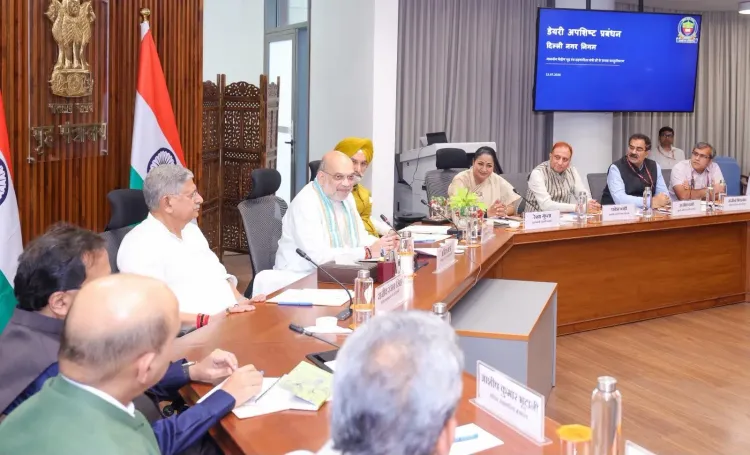
Delhi Chief Minister Rekha Gupta on Wednesday, 15 July 2026, announced the signing of a landmark Memorandum of Understanding between the Municipal Corporation of Delhi (MCD) and the National Dairy Development Board (NDDB) to establish Compressed Bio Gas (CBG) projects in the capital, with Union Home Minister Amit Shah presiding over the ceremony.
Context
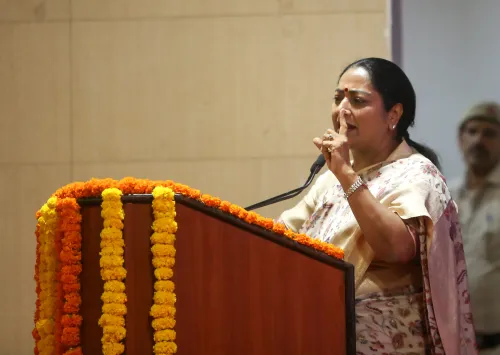
Posting on X, CM Gupta said that under previous governments, approximately 1,500 metric tonnes of cattle dung entered the Yamuna every day — a figure her administration has now set a target of bringing to zero. In her words, 'यह ऐतिहासिक पहल उसी दिशा में एक महत्वपूर्ण कदम है' ('this historic initiative is an important step in that direction'). The MoU is framed as a direct intervention in the long-standing problem of organic waste contaminating the river.
The Chief Minister credited the initiative to the broader vision of Prime Minister Narendra Modi, stating the government is 'fully committed to making Mother Yamuna aviral (free-flowing) and nirmal (clean).' The event was also attended by Union Minister for Animal Husbandry, Dairying and Fisheries Rajiv Ranjan Singh, Lieutenant Governor of Delhi Taranjit Singh Sandhu, and MCD Mayor Pravesh Wahi.
Policy Backdrop
The MoU builds on the Centre's GobarDhan scheme, launched in 2018 under the Swachh Bharat Mission, which incentivises the conversion of cattle dung and organic waste into biogas and bio-manure. The Yamuna Action Plan, running in successive phases since 1993, has long sought to reduce the river's pollution load through coordinated central and state interventions, with limited success in curbing organic waste inflows from urban livestock.
The involvement of NDDB — the apex body overseeing India's dairy sector — signals an attempt to channel institutional dairy-sector expertise into urban waste management. By converting dung from gaushalas (cow shelters) and livestock owners into CBG and organic fertiliser, the project aims to create a circular economy loop that simultaneously addresses energy, agriculture, and river-pollution goals.
Stakeholders and Impact
Gaushalas and individual cattle owners in Delhi stand to gain an additional income stream through the sale of dung feedstock to CBG plants, according to CM Gupta's post. The compressed biogas produced can substitute for fossil fuels in transport and industry, while the residual slurry becomes organic manure for farmers.
MCD, which manages the city's civic infrastructure, will be the primary implementing agency on the ground, coordinating with NDDB on plant commissioning and feedstock logistics. The presence of the Lieutenant Governor and multiple Union ministers at the signing underlines the multi-agency nature of the project and the political weight being placed behind it.
What's Next
The immediate focus will be on commissioning timelines for the CBG plants and establishing measurable benchmarks for reducing dung inflow into the Yamuna. Analysts tracking river-rejuvenation policy will watch whether the zero-dung-inflow target translates into enforceable operational milestones or remains an aspirational goal.
Should the Delhi model demonstrate results, similar MoUs between municipal bodies and NDDB could be replicated in other riverine cities facing comparable livestock-waste challenges — extending the initiative's environmental and economic footprint well beyond the National Capital Region.
Point of View
Clean energy, and gaushala welfare — into a single announcement, giving the Delhi BJP government a tangible deliverable ahead of its first full year in office. By invoking the 1,500-metric-tonne dung-inflow figure as a legacy-government failure, CM Gupta frames the initiative explicitly as a contrast with the previous administration. The high-profile presence of Home Minister Amit Shah signals that the Centre is treating this as a flagship urban-environment project, not merely a civic one. The real test, however, will be whether CBG plant commissioning timelines are publicly tracked and whether dung inflow into the Yamuna actually declines — outcomes that will determine if this MoU translates from political symbolism into measurable environmental progress.
NationPress
15 Jul 2026
Frequently Asked Questions
What is the MoU signed between MCD and NDDB about?
The MoU between the Municipal Corporation of Delhi and the National Dairy Development Board is aimed at establishing Compressed Bio Gas (CBG) plants in Delhi that will convert cattle dung into clean energy and organic manure, while reducing organic waste pollution in the Yamuna river.
Who was present at the MCD-NDDB MoU signing ceremony?
Union Home Minister Amit Shah presided over the ceremony. Also present were Union Minister Rajiv Ranjan Singh (Animal Husbandry and Dairying), Delhi Lieutenant Governor Taranjit Singh Sandhu, MCD Mayor Pravesh Wahi, and officials from relevant departments.
What is the GobarDhan scheme and how does it relate to this MoU?
GobarDhan (Galvanizing Organic Bio-Agro Resources Dhan) is a central government scheme launched in 2018 under the Swachh Bharat Mission to promote biogas production from cattle dung and organic waste. The MCD-NDDB MoU aligns directly with this scheme's objectives.
How will the CBG project benefit gaushala owners and cattle farmers in Delhi?
According to CM Rekha Gupta, gaushalas and individual cattle owners will gain an additional income stream by supplying dung as feedstock to CBG plants. The residual slurry from biogas production can also be sold as organic manure.
What is Delhi government's target for Yamuna pollution from cattle dung?
CM Rekha Gupta stated the government has set a target of bringing cattle-dung inflow into the Yamuna to zero, compared to an estimated 1,500 metric tonnes per day that reportedly entered the river under previous administrations.