Assam Budget 2026: CM Office Unveils 'Assam Made Liquor' Plan
Synopsis
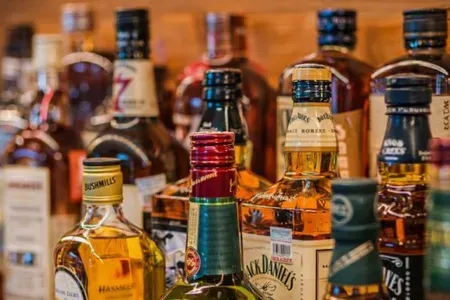
The Chief Minister's Office of Assam announced in the Assam Budget 2026 that the government will promote traditional beverages in a regulated framework and introduce 'Assam Made Liquor' — an affordable, quality-assured category designed to displace illicit alcohol production across the state.
Key Takeaways
The Assam Budget 2026 , announced on 10 July 2026 , includes a new excise policy covering traditional and locally produced liquor.
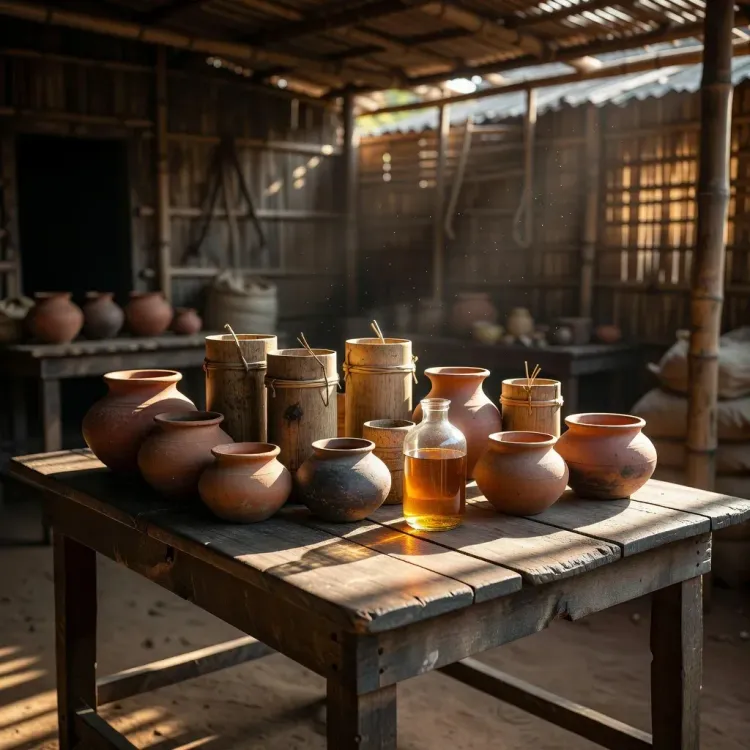
The government will promote Assam's traditional beverages through regulated production and formal marketing channels.
A new product category — 'Assam Made Liquor' — will be introduced to provide affordable, quality-assured alternatives to consumers.
A core objective of the policy is to discourage illegal liquor production by offering a competitive, state-backed formal option.
Specific licensing norms, eligible beverages, and rollout timelines are yet to be notified by the government.
The Chief Minister's Office of Assam announced on Friday, 10 July 2026 that the Assam Budget 2026 includes a dual-track excise policy: promoting the state's traditional fermented beverages in a regulated framework while launching a new category called 'Assam Made Liquor' to offer affordable, quality-assured alternatives and curb illegal production.
Context
Assam has a long-standing tradition of indigenous fermented and distilled beverages, produced across tribal and community households for generations. These drinks hold cultural significance for several ethnic communities in the state but have historically operated outside the formal regulatory ambit, leaving consumers exposed to quality and safety risks.
The announcement, made as a highlight of the Assam Budget 2026, signals the state government's intent to bring this sector into a structured, supervised framework — balancing cultural preservation with public health and revenue considerations.
Policy Backdrop
Indian states have periodically revised their excise frameworks to address the twin challenges of illicit liquor and foregone tax revenue. Northeastern states in particular face the added dimension of formalising a deeply embedded informal alcohol economy without alienating communities for whom traditional brews are part of social and ceremonial life.
Chief Minister Himanta Biswa Sarma, who has led Assam since 2021, has used successive budgets to signal policy pivots on contentious social and economic issues. The introduction of 'Assam Made Liquor' as a distinct product category represents an attempt to create a state-endorsed, affordable option that competes directly with unregulated homebrew and spurious liquor in the market.
The government's stated goals — production, marketing support for traditional beverages, and a new regulated category — reflect a pattern seen in other states seeking to grow excise revenue while reducing harm from the illicit trade.
Stakeholders and Impact
Traditional producers stand to benefit from formal recognition and potential marketing support, which could open new commercial channels for beverages that have so far been confined to local or informal trade. At the same time, the policy framework, once operationalised, would subject them to licensing and quality norms they currently bypass.
Consumers across Assam, particularly in rural and semi-urban areas where access to regulated liquor is limited and spurious alcohol poses a recurring hazard, are the intended primary beneficiaries of the 'Assam Made Liquor' initiative. Affordable pricing is explicitly cited as a design goal, suggesting the state is targeting segments currently served by the illicit market.
The exchequer too stands to gain: bringing informal production into a licensed structure would generate excise duty flows that currently go uncaptured, strengthening the state's own-tax revenue base.
What's Next
The budget announcement sets the policy direction but leaves several operational details to be spelled out. Licensing norms, quality-certification standards, eligible beverage categories, and the rollout timeline for 'Assam Made Liquor' are expected to be detailed in subsequent government notifications or during the ongoing assembly session.
Observers will watch whether the state follows through with enabling regulations quickly, and how it manages the balance between cultural sensitivity toward indigenous communities and the commercial imperatives of a regulated excise market. The policy's success will ultimately hinge on whether the formal offering is priced and distributed competitively enough to genuinely displace illicit alternatives.
Point of View
The state is attempting to out-compete the illicit market on price and quality. This mirrors a broader trend among northeastern states that are cautiously formalising indigenous alcohol economies without triggering cultural backlash. For Chief Minister Himanta Biswa Sarma, the move also carries a fiscal logic — capturing excise revenue from a sector that currently contributes little to the state's coffers. Whether the policy succeeds will depend heavily on implementation speed and whether 'Assam Made Liquor' is priced aggressively enough to genuinely undercut spurious alternatives.
NationPress
10 Jul 2026
Frequently Asked Questions
What is 'Assam Made Liquor' announced in Assam Budget 2026?
'Assam Made Liquor' is a new regulated product category announced in the Assam Budget 2026, designed to offer consumers affordable, quality-assured liquor as an alternative to illegal and spurious alcohol produced in the state.
What are Assam's traditional beverages being promoted in the budget?
Assam has a range of indigenous fermented and distilled beverages produced by tribal and community households. The budget proposes to promote these through regulated production and formal marketing, though specific beverages to be covered will be detailed in subsequent government notifications.
How will Assam Budget 2026 curb illegal liquor production?
The government plans to discourage illegal production by providing a regulated, affordable, and quality-assured formal alternative through 'Assam Made Liquor', making the illicit market less attractive to consumers on price and safety grounds.
Who announced the Assam Budget 2026 excise policy?
The announcement was made by the Chief Minister's Office of Assam on 10 July 2026 as part of the highlights of the Assam Budget 2026, with Chief Minister Himanta Biswa Sarma overseeing the state's budget and excise policy.
When will 'Assam Made Liquor' be available?
The Assam Budget 2026 announcement sets the policy intent, but specific rollout timelines, licensing norms, and quality standards are expected to be notified through subsequent government orders or during the assembly session.