CM Himanta Flags Decisive Assam Vidhan Sabha Session
Synopsis
Assam Chief Minister Himanta Biswa Sarma on 21 May 2026 described the ongoing Vidhan Sabha session as 'decisive for Assam', signalling the ruling BJP's intent to advance key legislative priorities during the sitting.
Key Takeaways
CM Himanta Biswa Sarma publicly described the current Assam Vidhan Sabha session as 'decisive for Assam' on 21 May 2026 .
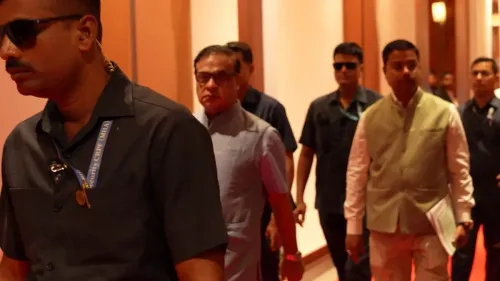
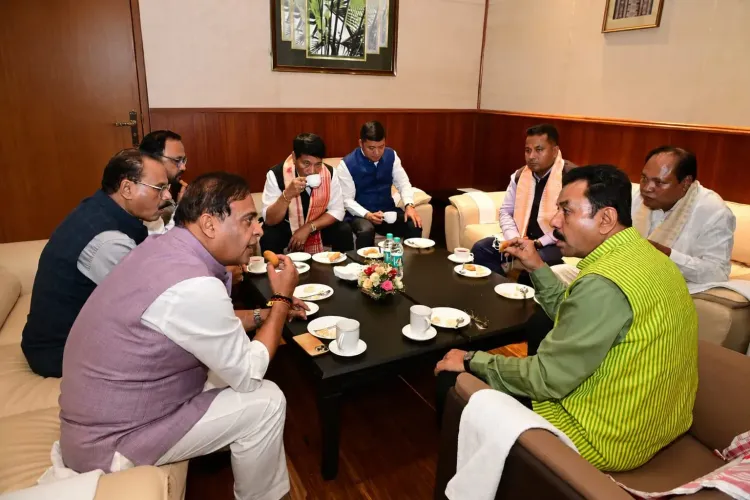
The post was shared ahead of assembly proceedings and accompanied by an image of pre-session camaraderie among legislators.
The BJP -led government has governed Assam since 2016 , with a legislative focus on development, flood management, and border security.
Sarma also serves as convenor of the North-East Democratic Alliance (NEDA) , giving him a broader regional role beyond Assam.
The session's outcome is expected to be closely watched for significant bills or budgetary measures aligned with the government's stated priorities.
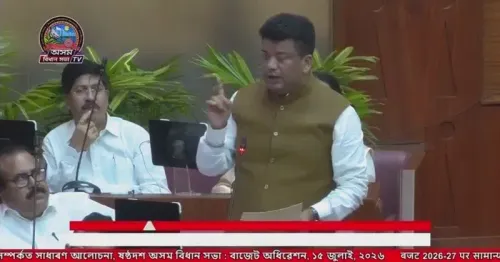
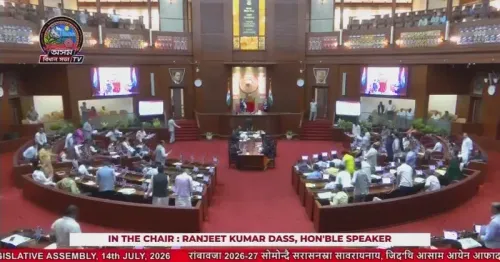
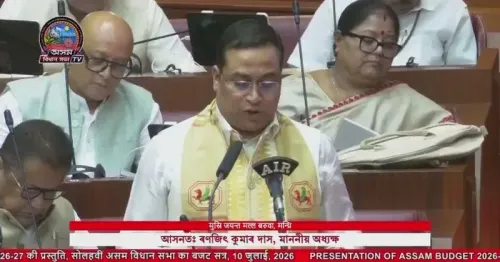
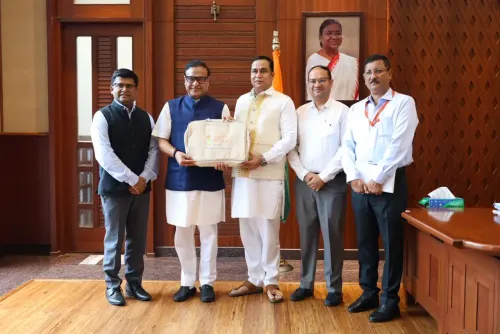
Assam Chief Minister Himanta Biswa Sarma signalled the political weight of the ongoing state legislative session on Thursday, 21 May 2026, describing it as 'decisive for Assam' in a post on X shared ahead of assembly proceedings. The Chief Minister also shared a moment of informal camaraderie, noting he had enjoyed tea and snacks in the company of legislative colleagues before the session got under way.
Context
Sarma wrote: 'Enjoyed a good cup of tea and snacks, made even better thanks to the company of distinguished colleagues. This session of the Vidhan Sabha will be decisive for Assam.' The post was accompanied by an image, and was read widely as a signal that the ruling dispensation attaches considerable importance to the business before the House during this sitting.
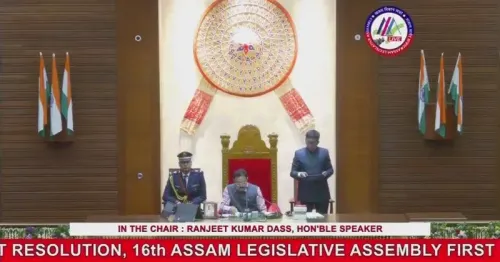
The Assam Vidhan Sabha is the state's unicameral legislature, responsible for debating and enacting laws on governance, development, and welfare. Sessions of the House are typically the primary arena where the government tables its legislative agenda, passes the budget, and responds to opposition scrutiny.
Policy Backdrop
The Bharatiya Janata Party-led government in Assam has been in office since 2016, with its tenure marked by a focus on infrastructure development, anti-infiltration measures, flood management, and regional integration through the North-East Democratic Alliance (NEDA), of which Sarma serves as convenor.
Legislative sessions under the current dispensation have routinely addressed state-specific priorities — from economic schemes aligned with national programmes to border security and connectivity projects. The Northeast has received heightened central attention to infrastructure and cultural matters over the past decade, and state assembly sessions have increasingly become platforms for translating that policy emphasis into law.
Stakeholders and Impact
The primary stakeholders of any Vidhan Sabha session are Assam's approximately 3.5 crore residents, whose daily lives are shaped by legislation on agriculture, floods, employment, and public services. State legislators across party lines, bureaucrats, and civil society organisations also watch session proceedings closely for policy signals.
The Chief Minister's characterisation of the session as 'decisive' is likely to sharpen focus among opposition legislators and civil society groups on the bills and resolutions the government intends to move. Such framing from the head of government typically precedes the tabling of significant legislative or budgetary measures.
What's Next
Observers will watch for the tabling and passage of key bills or budget-related measures during the current session. Given Sarma's explicit signal, the government is expected to use the sitting to advance its legislative priorities for the state. The session's outcomes will be closely tracked by political analysts monitoring governance in the Northeast and by residents awaiting policy action on longstanding concerns such as flood mitigation and economic development.
Point of View
Not casual commentary — chief ministers rarely attach such language to routine sittings. It suggests the ruling BJP intends to use this session to push through legislation or budgetary measures of consequence, possibly on issues where the government has faced sustained pressure. Framing the session this way also serves to energise the party's legislative bloc and put the opposition on notice. In the broader arc of BJP governance in the Northeast, it fits a pattern of using assembly sessions as visible markers of developmental intent, particularly as the region gains strategic and electoral salience.
NationPress
5 Oct 2026
Frequently Asked Questions
Why did Assam CM Himanta Biswa Sarma call the Vidhan Sabha session decisive?
Sarma described the session as 'decisive for Assam' in a post on 21 May 2026 , signalling that the government plans to advance significant legislative or budgetary business during the sitting. The specific agenda items have not been publicly detailed.
When is the current Assam Vidhan Sabha session being held?
The session was under way as of 21 May 2026 , when Chief Minister Himanta Biswa Sarma posted about it on X. The exact start and end dates of the session have not been specified in official public statements captured here.
What does the Assam Vidhan Sabha do?
The Assam Vidhan Sabha is the state's unicameral legislature. It debates and passes laws on governance, development, and welfare, approves the state budget, and holds the government accountable through question hours and debates.
Who is Himanta Biswa Sarma?
Himanta Biswa Sarma is the Chief Minister of Assam and a senior leader of the Bharatiya Janata Party . He also serves as convenor of the North-East Democratic Alliance (NEDA) , a coalition of BJP-aligned parties across northeastern states.
What issues does the Assam Vidhan Sabha typically address?
Sessions of the Assam assembly routinely cover flood management, border security, infrastructure development, economic welfare schemes, and legislation aligned with central government programmes targeting the Northeast.