H1N1 death in Indore: MP Health Dept probes hospital for not reporting swine flu case

Synopsis
A 62-year-old Ujjain woman with H1N1 left an Indore private hospital against medical advice and died the next day — and the hospital never told health authorities. Now Madhya Pradesh's Health Department is probing the facility for flouting mandatory IDSP reporting rules, a lapse that critics say is dangerously common among private providers during monsoon flu season.
Key Takeaways
A 62-year-old Ujjain woman who tested positive for H1N1 (swine flu) died at her residence on 19 August 2026 , a day after leaving an Indore private hospital against medical advice.
The private hospital failed to report the H1N1 case to the Health Department, violating mandatory IDSP norms.
Indore CMHO Madhav Prasad Hasani issued a show-cause notice to the hospital and constituted a three-member probe team .
The investigation panel comprises Abhishek Nigam , Anshul Mishra , and Virendra Rajgeer , who will submit a report for further action.
Action has also been initiated under the Nursing Home Act for the reporting lapse.
Health authorities warn that monsoon months — June, July, August — see a surge in viral infections, making timely surveillance critical.
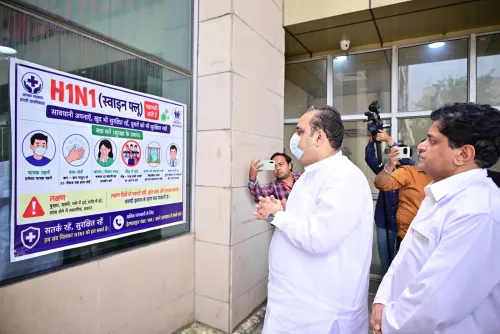
The Madhya Pradesh Health Department has ordered a high-level investigation and issued a show-cause notice to a private hospital in Indore after a 62-year-old woman from Ujjain, who had tested positive for H1N1 (swine flu), died at her residence on 19 August 2026 — a day after being discharged against medical advice. The case has exposed a critical lapse in disease surveillance, with the hospital allegedly failing to notify authorities of a notifiable illness.
Sequence of Events
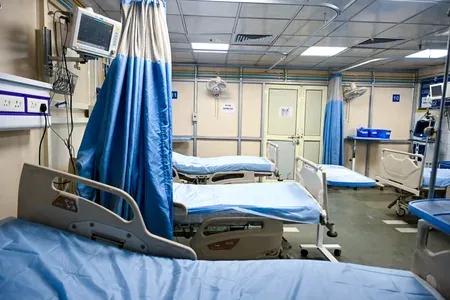
The woman, a resident of Ujjain, was receiving treatment at a private facility in Indore after testing positive for H1N1. On 18 August 2026, she left the hospital against the advice of treating doctors and returned home. She died at her Ujjain residence the following day, 19 August 2026. The case came to light after reports appeared in local newspapers, prompting the health administration to act.
What the CMHO Said
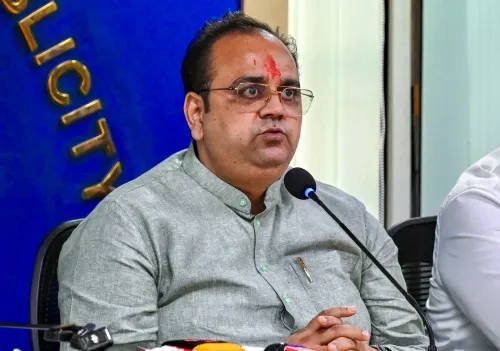
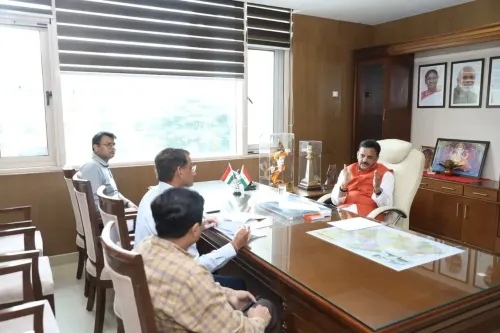
Indore Chief Medical and Health Officer (CMHO) Madhav Prasad Hasani issued a formal notice on Thursday clarifying the facts. 'The factual position is that a 60-year-old woman resident of Ujjain was under treatment at a hospital in Indore. On 18 August 2026 she left the hospital and returned to her home in Ujjain. On 19 August 2026, she died at her residence,' he said.
Hasani confirmed that the hospital had not informed the Health Department about the H1N1 case — a direct violation of mandatory reporting norms — which triggered the show-cause notice and the formation of an inquiry panel.
Three-Member Probe Team Constituted
A three-member investigation team comprising Abhishek Nigam, Anshul Mishra, and Virendra Rajgeer has been constituted to examine the matter thoroughly. The team has been directed to submit a detailed report so that the exact sequence of facts can be placed on record, with further action against the hospital to be decided on the basis of their findings.
IDSP Compliance and the Nursing Home Act
The Health Department underscored that H1N1 is a notifiable disease under the Integrated Disease Surveillance Programme (IDSP), and all private hospitals are legally obligated to report such cases to authorities without delay. The hospital's failure to comply has also attracted action under the Nursing Home Act. This is not an isolated concern — during the monsoon months of June, July, and August, rising humidity typically drives a spike in viral infections, making timely surveillance especially critical, Hasani noted.
What Happens Next
Health authorities are closely monitoring the situation in both Indore and Ujjain. The probe team's report will determine the quantum of action against the private hospital. The episode has renewed calls for stricter enforcement of IDSP reporting mandates among private healthcare providers across Madhya Pradesh, particularly during high-risk monsoon months.
Point of View
Treating IDSP compliance as optional — and this case illustrates the lethal consequence of that attitude. The show-cause notice is a necessary first step, but unless the Nursing Home Act action results in a meaningful penalty, it will not deter the next lapse. Madhya Pradesh, like most states, lacks a real-time audit mechanism for private-sector disease reporting; the monsoon spike in H1N1 cases makes that gap more dangerous every year.
NationPress
5 Oct 2026
Frequently Asked Questions
What happened in the Indore H1N1 death case?
A 62-year-old woman from Ujjain, who was being treated for H1N1 (swine flu) at a private hospital in Indore, was discharged on 18 August 2026 against medical advice and died at her home in Ujjain the following day. The hospital had not reported the H1N1 case to health authorities, triggering an official investigation.
Why has the Madhya Pradesh Health Department issued a show-cause notice?
The private hospital in Indore failed to notify the Health Department of the H1N1-positive patient, violating mandatory reporting obligations under the Integrated Disease Surveillance Programme (IDSP). This lapse prompted Indore CMHO Madhav Prasad Hasani to issue a show-cause notice and initiate action under the Nursing Home Act.
Who is investigating the case?
A three-member team comprising Abhishek Nigam, Anshul Mishra, and Virendra Rajgeer has been constituted by the Indore CMHO to examine the matter and submit a detailed report, on the basis of which further action against the hospital will be decided.
Is H1N1 a notifiable disease in India?
Yes, H1N1 (swine flu) is a notifiable disease under the Integrated Disease Surveillance Programme (IDSP). Private hospitals are legally required to report confirmed or suspected H1N1 cases to health authorities promptly. Failure to do so can attract action under state-level laws such as the Nursing Home Act.
Why is H1N1 a concern during the monsoon season?
According to health officials, the monsoon months of June, July, and August see a rise in humidity that accelerates the spread of viral infections including H1N1. Timely reporting and active surveillance during this period are considered critical to preventing community-level outbreaks.