Iran's Dy FM: US 'economic war' label masks Washington's own failure
Synopsis
Iran's Deputy Foreign Minister Kazem Gharibabadi has turned Washington's 'economic war' framing on its head — arguing it is simply a new label for an old failure. With Trump declaring an 'economic D-Day' against Iran's supporters and Tehran's Foreign Minister branding it 'economic terrorism,' this is a full-spectrum rhetorical battle layered on top of a real and escalating sanctions confrontation.
Key Takeaways
Iranian Deputy FM Kazem Gharibabadi said on 20 August that the US 'economic war' label is an attempt to mask Washington's prior failures.
President Trump announced 'the most crushing economic operation ever taken' against countries supporting Iran, calling it 'an economic D-Day' on Truth Social .
Iranian FM Seyed Abbas Araghchi responded on Thursday , labelling US actions 'economic terrorism' threatening global sovereignty.
Araghchi said the move diverts attention from the US's own 'unprecedented debt and surging interest costs.' Trump warned of 'very Draconian sanctions' while also downplaying the Strait of Hormuz's future strategic importance.
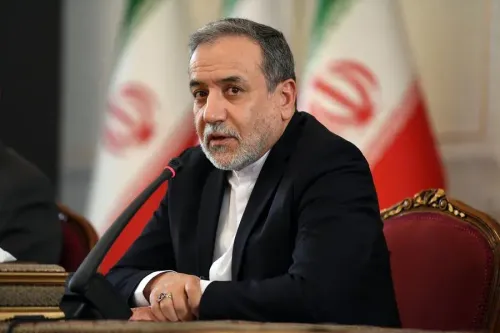
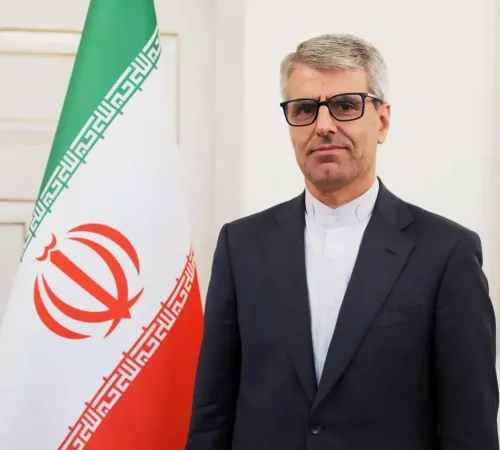
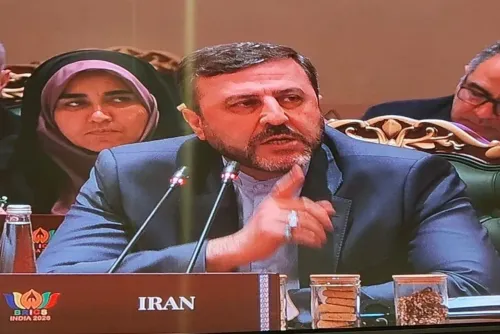
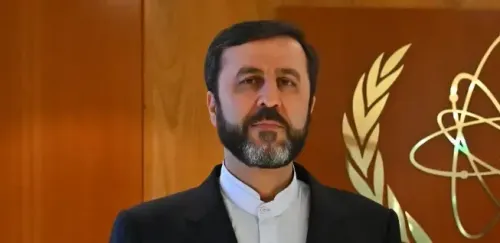
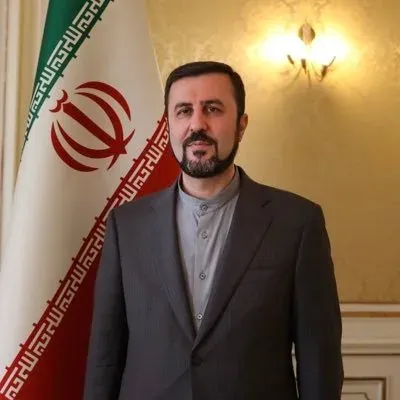
Iranian Deputy Foreign Minister for Legal and International Affairs Kazem Gharibabadi said on Wednesday, 20 August that the United States is escalating pressure on Iran under the banner of an 'economic war' — a framing he described as Washington's attempt to obscure its own prior failures. The remarks, posted on social media, came hours after US President Donald Trump announced what he called 'the most crushing economic operation ever taken' against any country supporting Iran.
Gharibabadi's Charge: Covering One Failure With Another
According to reports, Gharibabadi argued that while the United States publicly claims Iran is 'on the verge of collapse,' Washington is simultaneously reaching out to all its allies for support — a contradiction he said exposed the hollowness of the American position. 'To cover up its failure, the United States has to create an even bigger failure,' he said, asserting that the military campaign had yielded no results and that Washington was now rebranding its next anticipated defeat as an 'economic war.'
Trump's 'Economic D-Day' Declaration
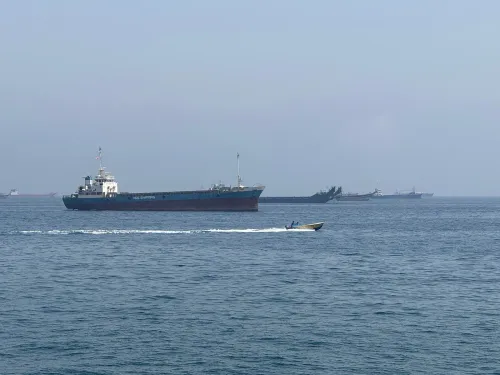
The escalation was triggered by President Trump's announcement on Wednesday of sweeping economic measures targeting any country providing a financial lifeline to Iran. 'This will be Economic Warfare and Isolation on an unprecedented scale,' Trump posted on Truth Social, describing the move as 'an economic D-Day.' He also warned of 'very Draconian sanctions' while speaking at the White House, even as he played down the future strategic importance of the Strait of Hormuz, arguing that expanded American energy output and new supply routes had reduced global dependence on the waterway.
Iran's Foreign Minister Hits Back
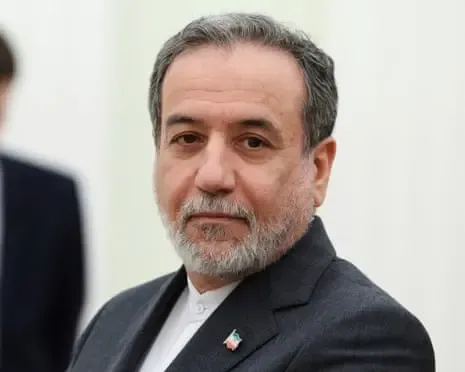
Iranian Foreign Minister Seyed Abbas Araghchi responded sharply on Thursday, calling US actions 'economic terrorism' that threatens the global economy and the sovereignty of nations. Writing on X, Araghchi said the so-called 'Economic D-Day' was a diversion from Washington's own crisis of 'unprecedented debt and surging interest costs.' 'Doubling down on failed policies will only bring further defeat — and enmity of Iranians,' he added.
Broader Context and What It Signals
The exchange marks a significant hardening of rhetoric on both sides. This comes amid prolonged tensions over Iran's nuclear programme and a pattern of escalating US sanctions pressure that has defined Washington-Tehran relations for over two decades. Notably, Trump's invocation of 'D-Day' — a reference to the World War II Allied landings — signals an intent to frame the economic campaign in maximalist, historic terms. Iran's swift and pointed counter-messaging, coordinated across senior officials, suggests Tehran is preparing for a sustained information battle alongside the economic one. How third-party nations respond to Washington's pressure to cut ties with Iran will be the critical variable in determining the real-world impact of these measures.
Point of View
' Tehran seeks to rally non-aligned nations wary of US secondary sanctions. The real story is not the war of words but the compliance calculus of countries like China, India, and Turkey, whose trade relationships with Iran will determine whether Washington's 'unprecedented' operation delivers or becomes the next failure Gharibabadi is already predicting.
NationPress
21 Aug 2026
Frequently Asked Questions
What did Iran's Deputy Foreign Minister say about the US 'economic war'?
Deputy Foreign Minister Kazem Gharibabadi said on 20 August that the US is using the 'economic war' label to cover up Washington's previous failures, arguing that the military campaign had already failed and the economic campaign would similarly fall short.
What did President Trump announce regarding Iran?
President Trump announced what he described as 'the most crushing economic operation ever taken' against any country providing support to Iran, calling it 'an economic D-Day' in a post on Truth Social. He also warned of 'very Draconian sanctions' at the White House.
How did Iran's Foreign Minister respond to Trump's announcement?
Foreign Minister Seyed Abbas Araghchi responded on Thursday, labelling the US move 'economic terrorism' that threatens the global economy and national sovereignty worldwide. He said it was a diversion from America's own crisis of unprecedented debt and rising interest costs.
What is the significance of Trump's Strait of Hormuz remarks?
Trump played down the future importance of the Strait of Hormuz — a critical global oil chokepoint — arguing that expanded US energy production and new supply routes have reduced the world's dependence on it. The remarks suggest Washington believes it has more leverage over Iran's oil exports than in previous standoffs.
Why does Iran's counter-messaging matter?
Iran's coordinated response across senior officials signals that Tehran is preparing for a prolonged information campaign alongside the economic pressure. By framing US actions as 'economic terrorism,' Iran is appealing to nations wary of US secondary sanctions, making third-country compliance the key variable in how effective Washington's measures ultimately prove.