Will Iranian FM's Strong Stance Against Interference Deter US Actions?
Synopsis
In a heated response to President Trump's threats about intervening in Iran, Foreign Minister Seyed Abbas Araghchi firmly stated that any interference will be met with a strong rejection. As protests unfold over economic grievances, tensions rise in the region. This article explores the implications of Araghchi's declarations amidst escalating protests and international scrutiny.
Key Takeaways
Iran's FM has firmly rejected foreign interference.
Protests have erupted due to economic issues.
Violence during protests is not tolerated by the government.
The rial's depreciation is linked to US sanctions.
Public safety and the right to protest must be balanced.
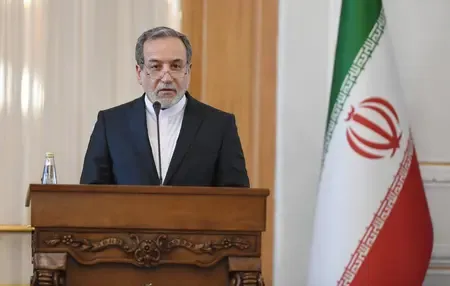
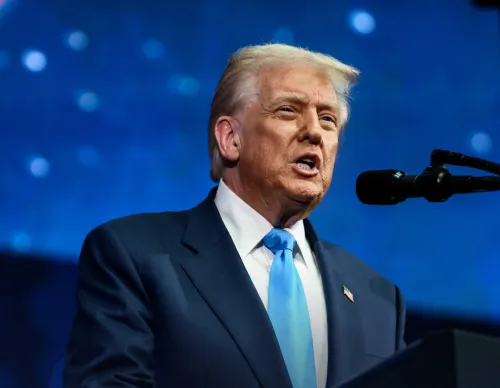
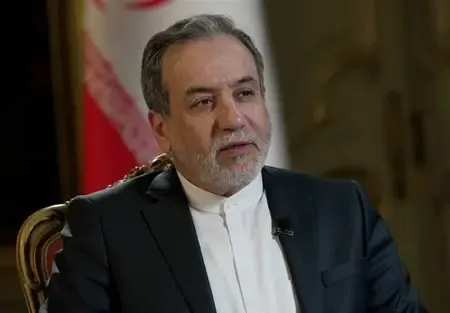
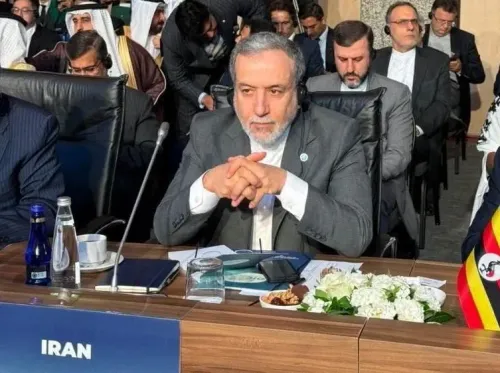
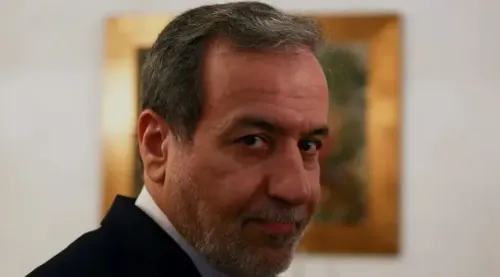
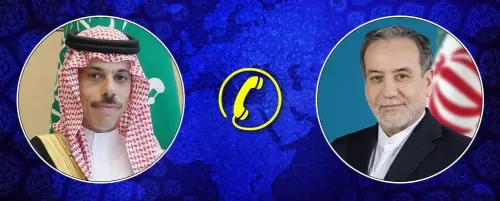
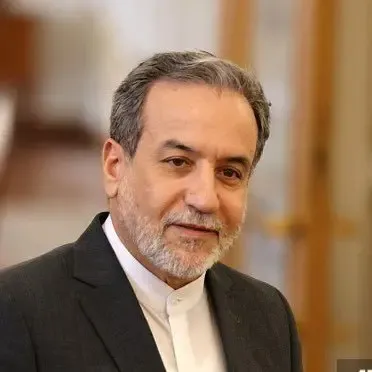
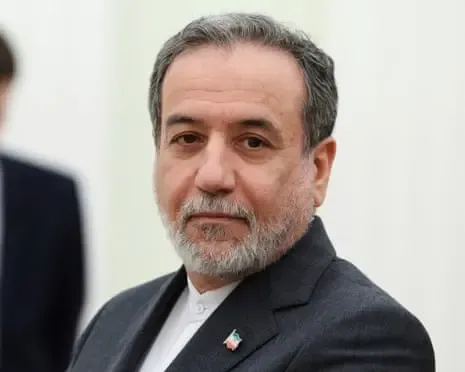
Tehran, Jan 3 (NationPress) Iranian Foreign Minister Seyed Abbas Araghchi declared that he will strongly oppose any external interference in Iran's domestic matters, following remarks from US President Donald Trump that the US might respond if Iran were to harm peaceful protesters.
Araghchi took to social media platform X to assert that Iran's military is prepared and knows precisely where to retaliate if its sovereignty is compromised, in light of Trump's statements on Truth Social suggesting that the US would assist those in danger from the Iranian government.
Protests have erupted across several Iranian cities since Sunday, triggered by the steep decline of the national currency, the rial.
Araghchi acknowledged the right of Iranians to engage in peaceful protests over the fluctuating exchange rate but highlighted instances of violence, including assaults on police stations and the use of Molotov cocktails against law enforcement. He emphasized that violent attacks on public property are unacceptable.
Reports indicate that at least three individuals have died and 13 security personnel have been injured during protests in two Iranian provinces within the last 24 hours.
Saeid Pourali, the deputy governor of Lorestan province, attributed the ongoing protests to economic hardships.
He pointed out that the pressures stemming from currency instability and living conditions are a result of harsh Western sanctions.
The Iranian rial has significantly depreciated since the US exited the 2015 nuclear agreement in 2018 and reinstated sanctions, with the US dollar currently valued at over 1.35 million rials in the open market.
Point of View
The Iranian government's response to both internal protests and external threats is crucial for maintaining stability. The government must balance the right to protest with the need for public safety while navigating the complexities of international relations.
NationPress
28 Sept 2026
Frequently Asked Questions
What prompted the recent protests in Iran?
The protests were primarily triggered by the sharp depreciation of the Iranian rial and economic grievances among the populace.
How has the Iranian government responded to the protests?
Iranian Foreign Minister Seyed Abbas Araghchi has vowed to reject any external interference and has stated that peaceful protests are a right, but violence will not be tolerated.
What are the implications of Trump's comments on Iran?
Trump's comments about potential US intervention have heightened tensions, prompting a strong response from Iranian officials regarding their sovereignty.