Tibetan govt-in-exile rejects China's assimilation law, vows peaceful fight
Synopsis
On the 49th day since activist Lobsang Palden's self-immolation, the Tibetan government-in-exile marched through Dharamsala, directly challenging China's new 'ethnic unity' law as a cover for cultural erasure. With Uyghur and Mongolian groups joining and four Western governments voicing concern, the CTA is building an international coalition — even as it distances itself from self-immolation as a tactic.
Key Takeaways
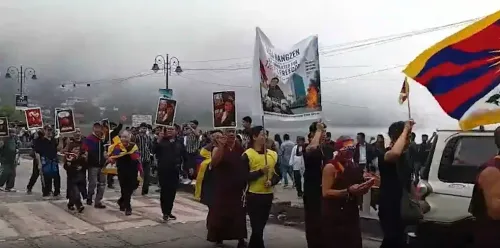
The CTA and Tibetan Parliament-in-Exile held a prayer meeting and peace march in Dharamsala on 21 August .
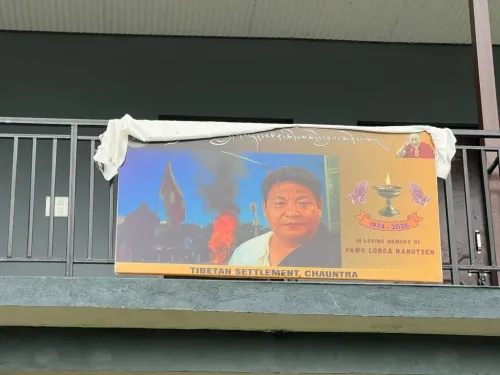
The event marked the 49th day since activist Lobsang Palden self-immolated in protest against Chinese policies.
CTA President Penpa Tsering alleged China's new 'ethnic unity and progress' law is designed to 'Sinicise' Tibetans, Uyghurs, and Mongols.
Uyghur, Mongolian, and pro-democracy Chinese groups reportedly participated in related campaigns since July .
The US , UK , Australia , Switzerland , and the European Parliament have expressed concern over the Chinese legislation, according to the CTA.
The CTA reiterated its commitment to peaceful and democratic means, stating it does not endorse self-immolation.
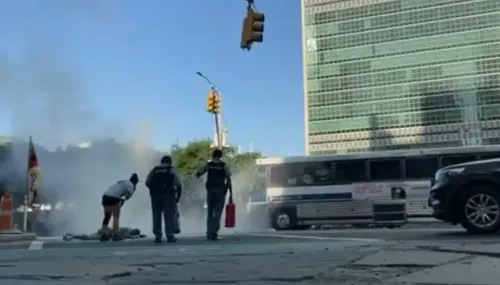
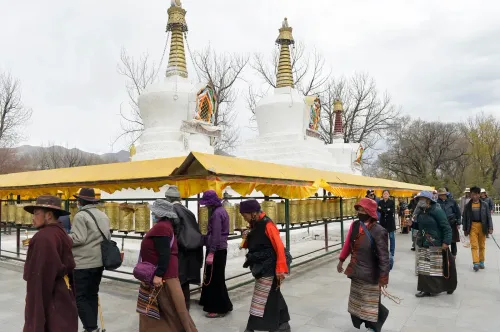
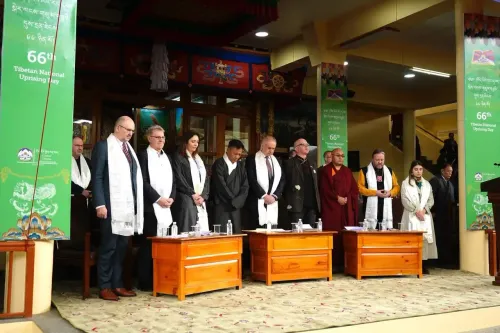
The Central Tibetan Administration (CTA), the Tibetan government-in-exile, and the Tibetan Parliament-in-Exile jointly organised a prayer meeting and peace march in Dharamsala on 21 August to mark the 49th day since Tibetan activist Lobsang Palden — also known as Lobga Rangzen — self-immolated in protest against Chinese policies. The event drew large numbers of Tibetan community members, exile administration representatives, and Tibet supporters, beginning at Tsuglagkhang Temple in McLeod Ganj and concluding at the Dharamsala Police Ground.
What the March Represented
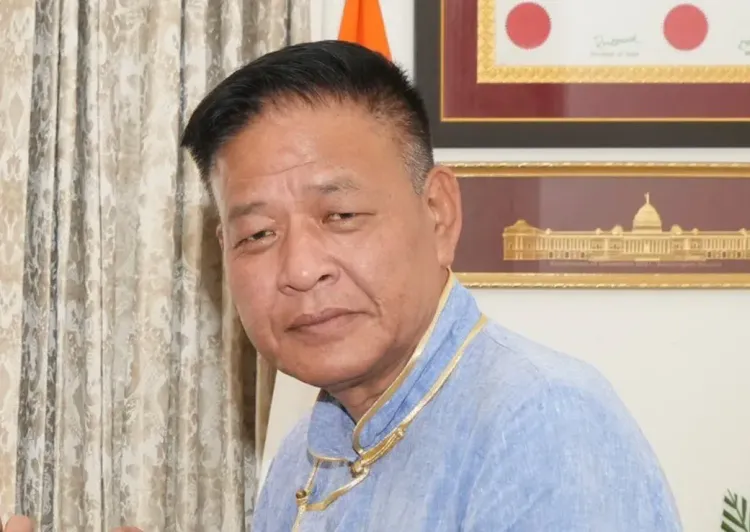
CTA President (Sikyong) Penpa Tsering described the gathering as both a tribute to Palden and a peaceful protest against Chinese policies that, he alleged, seek to dismantle Tibetans' distinct cultural, religious, and linguistic identity. Tsering said Palden had self-immolated in opposition to what he characterised as continued Chinese repression and a recently enacted law promoting 'ethnic unity and progress'.
The 49th day carries deep significance in Tibetan Buddhist tradition, marking the end of the intermediate period — known as the 'bardo' — following death. The programme opened with a two-hour prayer session at Tsuglagkhang Temple, where tributes were paid to Tibetans who had died in the struggle and solidarity was expressed with their families.
CTA's Charge Against China's 'Sinicisation' Drive
According to Tsering, the stated objective of the new Chinese law — promoting ethnic unity — masks what the CTA considers a systematic effort to 'Sinicise' Tibetans, Uyghurs, Mongols, and other officially recognised ethnic minorities. He alleged that Beijing is actively working to assimilate diverse communities by weakening their languages, cultures, religious traditions, and distinct identities.
Tsering stressed that the CTA does not endorse self-immolation as a form of protest, calling every Tibetan life lost an 'irreparable loss' to the movement. The administration, he said, remains committed to pursuing its goals through peaceful and democratic means.
Broader Solidarity and International Concern
Tibetan communities in several countries reportedly launched peaceful campaigns from early July onwards. Tsering claimed that Uyghur, Mongolian, and pro-democracy Chinese groups had also participated in related actions, reflecting shared concerns over China's assimilation policies.
He further stated that several governments — including those of the United States, United Kingdom, Australia, and Switzerland — had expressed concern over the new Chinese legislation. The European Parliament has also criticised the law, according to the CTA.
The Path Ahead
Tsering reiterated that the Tibetan movement would remain anchored in non-violence, pledging to protect Tibet's culture, language, religious freedom, and identity through peaceful means. This comes amid growing international scrutiny of China's minority policies, with the Dharamsala march signalling that the exile community intends to sustain pressure on the global stage.
Point of View
UK, and the European Parliament translates into coordinated policy pressure, or remains symbolic condemnation that Beijing routinely absorbs.
NationPress
5 Oct 2026
Frequently Asked Questions
Why did the CTA hold a peace march in Dharamsala on 21 August?
The Central Tibetan Administration organised the march to mark the 49th day since Tibetan activist Lobsang Palden self-immolated in protest against Chinese policies. In Tibetan Buddhist tradition, the 49th day marks the end of the 'bardo' — the intermediate period after death — making it a significant occasion for mourning and solidarity.
What is China's 'ethnic unity and progress' law that the CTA opposes?
It is a recently enacted Chinese law that, according to the CTA, promotes ethnic assimilation under the guise of national unity. CTA President Penpa Tsering alleged the law is designed to weaken the languages, cultures, and religious traditions of Tibetans, Uyghurs, Mongols, and other ethnic minorities — a process the CTA describes as 'Sinicisation'.
Which countries have expressed concern over the Chinese law?
According to the CTA, the United States, United Kingdom, Australia, and Switzerland have expressed concern over the legislation. The European Parliament has also criticised the law.
Does the CTA support self-immolation as a form of protest?
No. CTA President Penpa Tsering explicitly stated that the administration does not support self-immolation, describing every Tibetan life lost as an 'irreparable loss' to the movement. The CTA says it will pursue its goals exclusively through peaceful and democratic means.
Are other minority groups joining the Tibetan protest movement?
According to Tsering, Uyghur, Mongolian, and pro-democracy Chinese groups have participated in related peaceful campaigns since early July, reflecting shared concerns over China's assimilation policies targeting multiple ethnic communities.