Bhupender Yadav Meets Japan's Env Minister at COP31
Synopsis
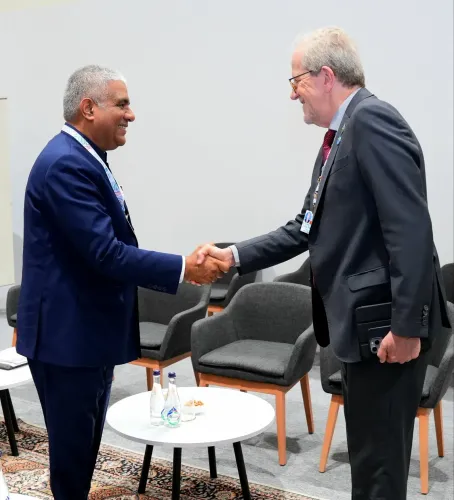
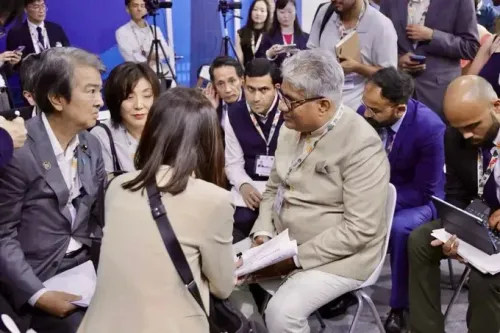
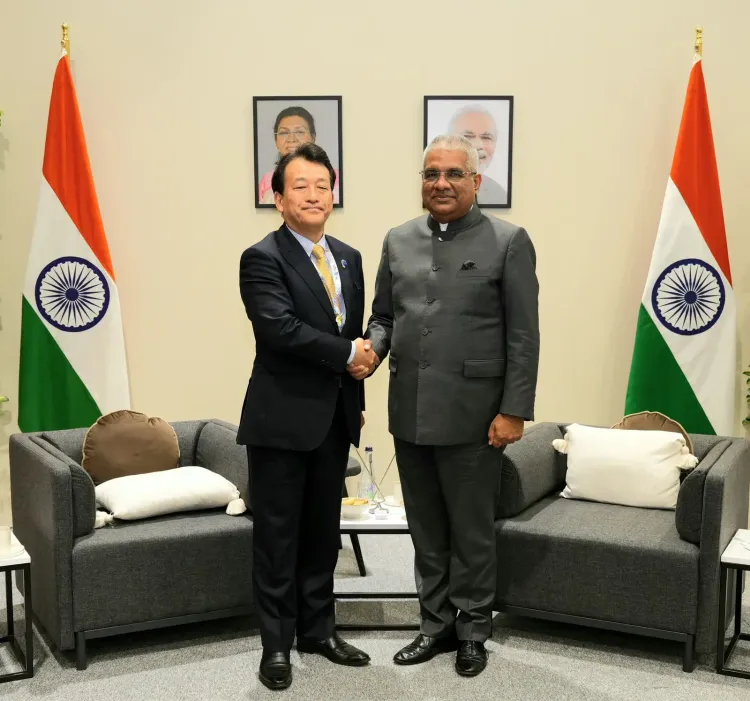
Union Environment Minister Bhupender Yadav met Japan's Minister of Environment Hiroyoshi Sasakawa on the sidelines of COP31 in Antalya, Türkiye, covering critical mineral supply chains, circular economy cooperation, and ongoing COP31 negotiations in a focused bilateral exchange.
Key Takeaways
Bhupender Yadav met Japan's Hiroyoshi Sasakawa at COP31, Antalya on November 19, 2026 .
Talks focused on circular economy , critical mineral supply chains , and early warning systems .
Both ministers also exchanged views on the ongoing COP31 negotiations .
India and Japan share strategic interest in diversifying critical mineral supply chains away from single-source dependence.
Circular economy cooperation could address end-of-life management of solar panels, EV batteries, and electronics as both nations scale clean energy.
India-Japan bilateral environmental dialogue has been active since the early 2000s , with this meeting deepening an established cooperation track.
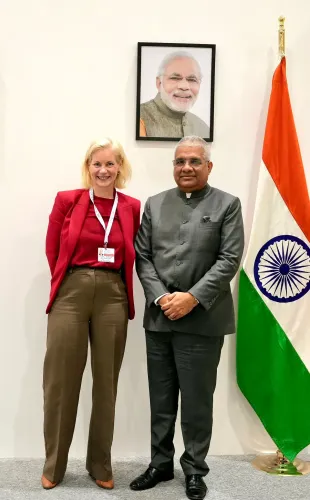
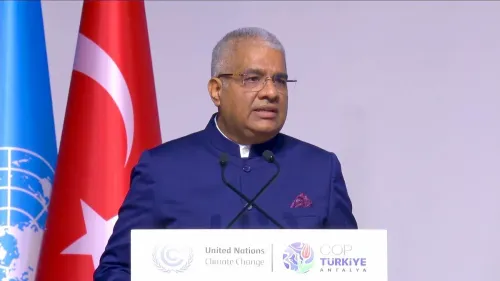
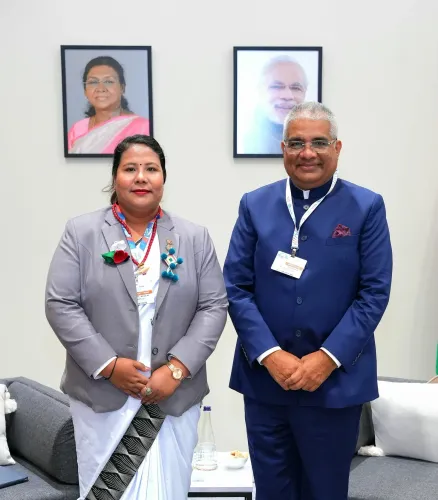
At the sidelines of COP31 in Antalya, Türkiye, Union Environment Minister Bhupender Yadav sat down with Japan's Minister of Environment Hiroyoshi Sasakawa on Thursday, November 19, 2026 — turning the margins of the world's biggest climate summit into a focused bilateral session on circular economy, critical minerals, and early warning systems.
Yadav confirmed the meeting on X, writing that discussions 'focused on matters related to circular economy and critical mineral supply chains along with early warning systems,' adding that both sides 'exchanged views on the ongoing negotiations in COP31.'
Why Critical Minerals Are at the Heart of This Conversation
The timing is no accident. As global demand for lithium, cobalt, nickel, and rare earths accelerates — driven by the electric vehicle revolution and the rapid scaling of solar and wind energy — both India and Japan are acutely aware of the dangers of depending on a single source for supply. China currently dominates processing of many of these minerals, and diversifying that chain has become a strategic imperative for both nations. India, with its own significant mineral deposits and an ambitious clean-energy transition underway, and Japan, a technology powerhouse deeply reliant on stable raw-material inputs, have strong complementary interests. Building resilient, transparent supply chains together is not just economic sense — it is climate strategy.Circular Economy: Closing the Loop on Green Waste
The circular economy thread is equally significant. As India and Japan both scale renewable infrastructure, end-of-life management of solar panels, batteries, and electronics is emerging as a major policy challenge. A joint approach to recycling, refurbishment, and responsible disposal of green-tech components could both reduce waste and recover high-value critical materials — a double win for climate and supply-chain security. India and Japan have maintained structured bilateral environmental cooperation through annual dialogues and joint statements at multilateral forums since the early 2000s, making this Antalya exchange part of a long-running conversation that has steadily grown in ambition.India's COP31 Diplomatic Tempo
Sideline bilaterals are the real engine room of any COP. While plenary negotiations grind through brackets and brackets of contested text, these one-on-one meetings shape the alliances, joint proposals, and technology-transfer arrangements that often determine what actually gets agreed. Yadav's meeting with Sasakawa signals that India is using its presence in Antalya not merely to participate in the global negotiation — but to actively build the partnerships that will define its green-transition decade. Watch for follow-up working-group announcements on circular economy frameworks and any India-Japan joint statement emerging from the broader COP31 outcome document.Point of View
Since no country can decarbonise without securing the raw materials that renewables and EVs demand. India-Japan convergence here also carries a quiet geopolitical signal: two Indo-Pacific democracies coordinating to reduce dependence on concentrated mineral processing. The circular economy thread adds a domestic policy dimension — both nations are grappling with green-tech waste at scale, and a bilateral framework could become a template for multilateral rules.
NationPress
19 Nov 2026
Frequently Asked Questions
What did Bhupender Yadav discuss with Japan's environment minister at COP31?
Yadav met Japan's Minister of Environment Hiroyoshi Sasakawa at COP31 in Antalya and discussed circular economy cooperation, critical mineral supply chains, early warning systems, and ongoing COP31 negotiations.
Where is COP31 being held?
COP31 , the 31st Conference of the Parties to the UNFCCC, is being held in Antalya, Türkiye .
Why are critical minerals important for India and Japan?
Both countries need minerals like lithium, cobalt, and rare earths for electric vehicles and renewable energy. Diversifying supply chains beyond single dominant suppliers is a shared strategic and climate priority.
What is the circular economy agenda between India and Japan?
The circular economy discussions focus on recycling, refurbishment, and responsible end-of-life disposal of green-technology products such as solar panels and EV batteries, aiming to recover critical materials and reduce waste.
How long have India and Japan been cooperating on environment issues?
India and Japan have maintained structured bilateral environmental cooperation through annual dialogues and joint statements at multilateral forums since the early 2000s .