Jal Shakti Minister Paatil opens dam-systems confab at CWPRS Pune
Synopsis
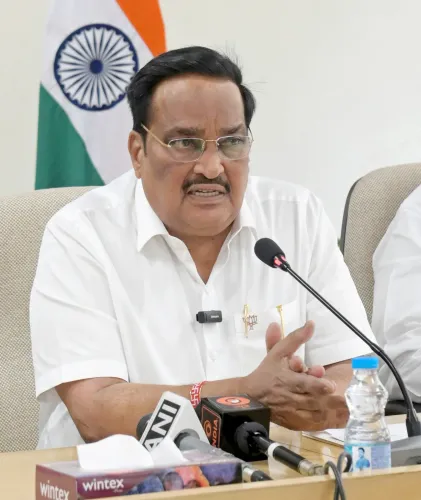
Union Jal Shakti Minister C. R. Paatil on 19 November 2026 inaugurated a national conference on integrated river, reservoir and dam systems at CWPRS Pune, with MoU exchanges, technical publications, and virtual inauguration of new monitoring facilities.
Key Takeaways
Union Jal Shakti Minister C.
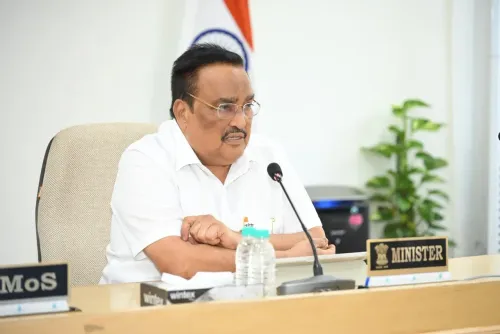
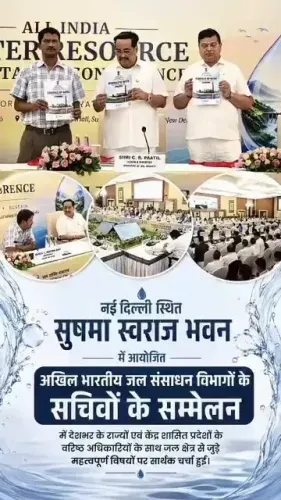
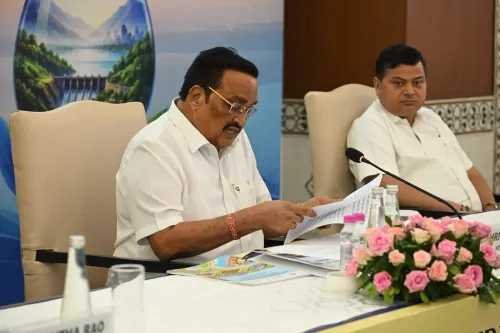
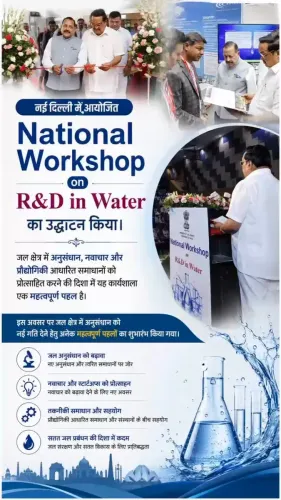
Paatil inaugurated the 'National Conference on Integrated River, Reservoir and Dam Systems' at CWPRS, Pune on 19 November 2026 .
Minister of State Dr.
Raj Bhushan Chaudhary and senior Ministry officials were present at the conference.
The event included release of technical publications , exchange of MoUs with multiple institutions, and virtual inauguration of new research and monitoring facilities .
CWPRS is India's premier hydraulics research body under the Ministry of Jal Shakti, known for producing dam-safety and flood-forecasting guidelines.
The conference builds on the Dam Safety Act, 2021 and Jal Shakti Abhiyan (2019) — the two key policy pillars underpinning India's water-infrastructure modernisation drive.
Operationalisation of the newly inaugurated monitoring facilities and progress on signed MoUs will be the key indicators of follow-through.
A national conversation on the future of India's rivers, reservoirs, and dams opened in Pune on Thursday, 19 November 2026, as Union Jal Shakti Minister C. R. Paatil inaugurated the 'National Conference on Integrated River, Reservoir and Dam Systems' at the Central Water and Power Research Station (CWPRS) — the country's premier hydraulics research body.
What unfolded at CWPRS Pune
Minister of State for Jal Shakti Dr. Raj Bhushan Chaudhary and senior Ministry officials joined Paatil on the dais, signalling the government's institutional weight behind the event. The conference programme packed three distinct deliverables into a single session: the release of key technical publications, the exchange of MoUs with participating research and academic institutions, and the virtual inauguration of new research and monitoring facilities.
Paatil described the gathering as one that would give 'a new direction to better management of water resources and technical cooperation across the country' — a statement that positions the conference not as a one-off symposium but as a coordination node between central and state-level water agencies.
CWPRS: the quiet engine behind India's water science
CWPRS, established decades ago under what is now the Ministry of Jal Shakti, has long served as the laboratory where flood-forecasting models are stress-tested and dam-safety guidelines are drafted before they reach state governments. Conferences hosted here have historically produced the technical circulars that filter down to state water departments and dam safety authorities nationwide. That institutional pedigree makes today's event more than a ribbon-cutting — it is a standard-setting exercise.
Dam Safety Act, Jal Shakti Abhiyan — the policy runway
The conference lands on a runway built by two landmark policy moves. The Dam Safety Act, 2021 created India's first statutory framework for the surveillance, inspection, and maintenance of large dams — a long-overdue step given that the country operates one of the world's largest inventories of such structures. Before that, the Jal Shakti Abhiyan, launched in 2019, pushed integrated water conservation and river rejuvenation down to the basin level, pulling together what had been fragmented departmental efforts.
Both initiatives demand exactly what today's conference delivers: shared research, upgraded monitoring technology, and cross-institutional protocols. The MoUs exchanged and facilities inaugurated virtually extend that framework into new institutional partnerships — the specifics of which will determine how much practical momentum today's high-visibility event generates.
What to watch next
The real test will be the operationalisation of the newly inaugurated monitoring facilities and the pace at which institutions that signed MoUs translate those agreements into joint research programmes. State water departments — the ultimate implementers of dam-safety and river-management policy — are the key downstream audience for whatever technical consensus emerges from Pune this week.
India's water infrastructure is ageing in places and stressed by climate variability in others. A national conference that links cutting-edge hydraulics research to on-ground dam safety isn't a bureaucratic formality — it's load-bearing work.
Point of View
2021 — into institutional muscle through research partnerships and upgraded monitoring infrastructure. The dual presence of the Cabinet Minister and the Minister of State signals that the Ministry is treating technical cooperation, not just policy announcement, as a political priority. MoU exchanges between a central research station and state or academic bodies are only as durable as the follow-through; the real measure of this conference will be whether the partnerships produce actionable safety protocols for India's ageing dam stock. With climate variability increasing pressure on reservoir operations, the urgency of this technical diplomacy is higher than the ceremonial framing might suggest.
NationPress
19 Nov 2026
Frequently Asked Questions
What is the CWPRS and what does it do?
The Central Water and Power Research Station (CWPRS) in Pune is India's premier hydraulics research institution under the Ministry of Jal Shakti. It conducts research on water resources, dam safety, flood forecasting, and river hydraulics, and produces technical guidelines used by state water departments across the country.
What happened at the national conference at CWPRS Pune on 19 November 2026?
Union Jal Shakti Minister C. R. Paatil inaugurated the 'National Conference on Integrated River, Reservoir and Dam Systems' at CWPRS Pune. The event included the release of technical publications, exchange of MoUs with partner institutions, and the virtual inauguration of new research and monitoring facilities.
What is the Dam Safety Act 2021 and why does it matter?
The Dam Safety Act, 2021 is India's first statutory law establishing a framework for the surveillance, inspection, and maintenance of large dams across the country. It mandates regular safety reviews and creates institutional accountability — forming the legal backbone for events like the CWPRS conference.
What is the Jal Shakti Abhiyan?
The Jal Shakti Abhiyan , launched in 2019 , is a central government campaign promoting integrated water conservation, river rejuvenation, and basin-level planning. It brought together multiple ministries and state governments to address groundwater depletion and water security in a coordinated manner.
Who is Dr. Raj Bhushan Chaudhary?
Dr. Raj Bhushan Chaudhary is the Minister of State for Jal Shakti in the Union government. He was present alongside Cabinet Minister C. R. Paatil at the CWPRS Pune conference on 19 November 2026.