Jal Shakti Minister CR Paatil inspects Pune's Wadgaon STP
Synopsis
Union Jal Shakti Minister C. R. Paatil visited Pune's Wadgaon Sewage Treatment Plant on November 19, 2026, reviewing NRCD and JICA-backed works to cut pollution in the Mula-Mutha river system and pledging accelerated progress under PM Modi's leadership.
Key Takeaways
Union Jal Shakti Minister C.
Paatil inspected the Wadgaon Sewage Treatment Plant in Pune on November 19, 2026 .
Works are being executed through the National River Conservation Directorate (NRCD) in collaboration with Japan International Cooperation Agency (JICA) .
The programme targets reduced pollution, expanded sewage treatment capacity, and improved water quality in the Mula-Mutha river system .
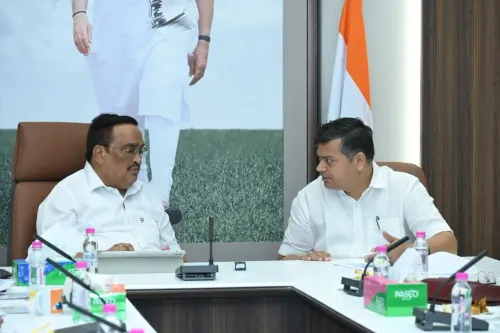
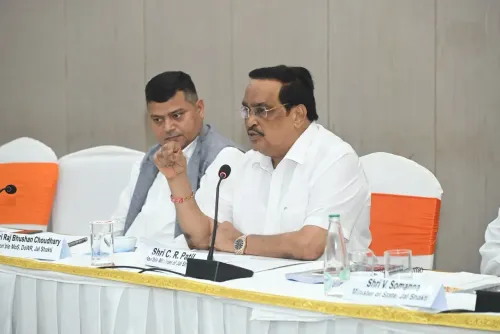
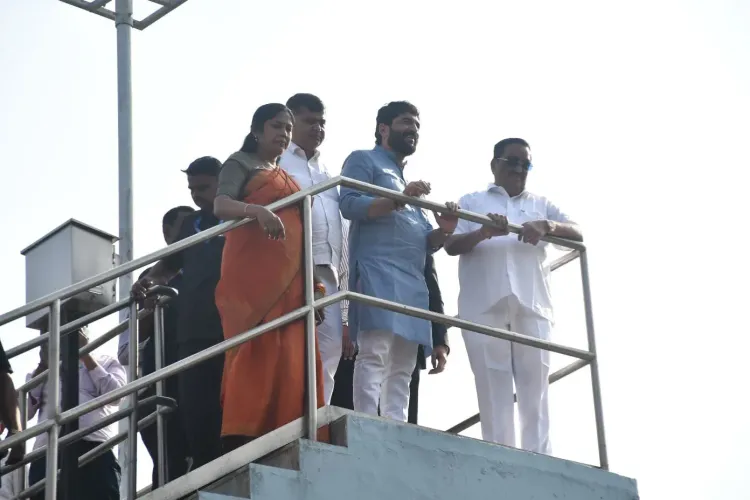
Raj Bhushan Choudhary , Pune MP Murlidhar Mohol , and Pune Mayor Manjusha Nagpure accompanied the minister.
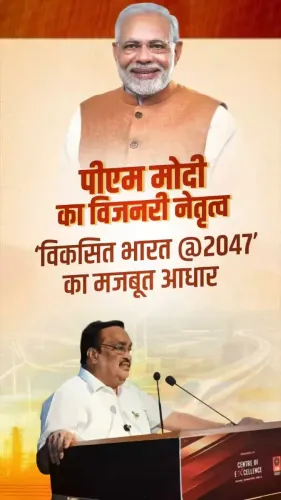
The ministry has pledged to accelerate efforts under PM Narendra Modi 's leadership to make rivers clean and pollution-free.
The National River Conservation Plan, initiated in 1995 , and the Namami Gange framework post- 2014 form the policy backbone for such interventions.
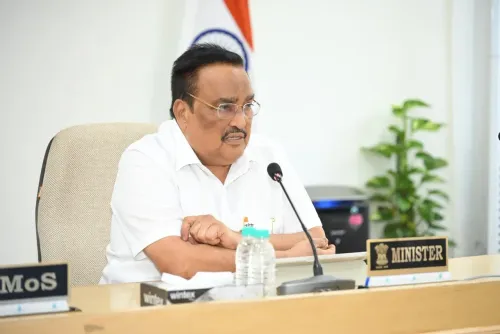
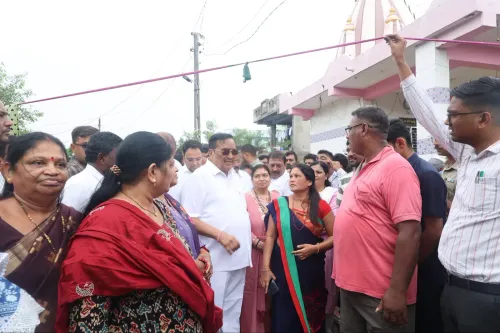
A river's health is a city's conscience — and on Thursday, November 19, 2026, Union Jal Shakti Minister C. R. Paatil walked the floor of Wadgaon Sewage Treatment Plant in Pune to hold that conscience to account, reviewing live pollution-control operations on the Mula-Mutha river system.
Posting on X, Paatil said he 'visited the Wadgaon STP in Pune today, inspected its operations, and reviewed ongoing work for pollution control in the Mula-Mutha river system.' The inspection centred on a joint programme executed through the National River Conservation Directorate (NRCD) — the nodal body under the Jal Shakti Ministry for river pollution abatement — in partnership with the Japan International Cooperation Agency (JICA). The goals are precise: cut pollutant load, expand sewage treatment capacity, and restore water quality in a river that runs through the heart of one of India's fastest-growing cities.
JICA, NRCD, and the Mula-Mutha's long road to cleaner water
The Mula-Mutha is not a new battle. Pune's urban expansion has stressed the twin-river system for decades, with untreated sewage long identified as the primary culprit. The National River Conservation Plan, launched in 1995, first created the framework for central funding of such treatment infrastructure. That lineage grew significantly after 2014, when the Namami Gange programme expanded the ambition of river rejuvenation and eventually extended the model to non-Ganga basins.
JICA has been a consistent partner in Indian urban infrastructure — bringing both technical know-how and concessional financing to sewerage and STP projects across several Indian cities. Its involvement in the Mula-Mutha project represents precisely the kind of bilateral cooperation the Jal Shakti Ministry has sought to deepen: central design, local execution, international financing.
Who was in the room at Wadgaon
The inspection was not a solo visit. Jal Shakti Minister of State Dr. Raj Bhushan Choudhary accompanied Paatil, as did Murlidhar Mohol — Pune's Member of Parliament and Union Minister of State for Civil Aviation and Cooperation — and Pune Mayor Manjusha Nagpure. Senior officers from Pune Municipal Corporation and the Ministry of Jal Shakti rounded out the delegation. The presence of the city's MP and Mayor alongside central ministers signals coordinated pressure on implementation: accountability flowing from the national level down to the municipal body that must actually operate the plant.
Invoking Prime Minister Narendra Modi's leadership, Paatil stated the government's resolve to 'accelerate these efforts and ensure concrete progress towards making rivers clean and pollution-free.' Nadi ko swachh evam pradushan mukt banana — making rivers clean and pollution-free — is the stated mission tying the Wadgaon visit to the broader national river conservation agenda.
The Mula-Mutha's turnaround, if it comes, will be measured in milligrams of dissolved oxygen and biochemical oxygen demand — not in speeches. Today's visit puts a minister's name on the timeline.
Point of View
The Mayor, and a Minister of State signals an effort to close the gap between central ambition and municipal delivery — a persistent failure point in India's sewage treatment story. JICA's involvement also suggests the ministry is leaning on bilateral cooperation to bridge the financing shortfall that has historically slowed STP construction. The political optics ahead of municipal governance cycles in Maharashtra make a clean-river pledge doubly useful.
NationPress
19 Nov 2026
Frequently Asked Questions
What is the Wadgaon STP and why is it important for Pune?
The Wadgaon Sewage Treatment Plant is a key facility in Pune designed to treat domestic sewage before it enters the Mula-Mutha river system. Improving its capacity directly reduces biological and chemical pollutant loads in a river that flows through a city of several million people.
What is JICA's role in cleaning the Mula-Mutha river?
The Japan International Cooperation Agency (JICA) is providing technical and financial support for sewage treatment and pollution abatement works on the Mula-Mutha river as part of its broader urban infrastructure cooperation with India.
What is the NRCD and how does it connect to this project?
The National River Conservation Directorate (NRCD), under the Ministry of Jal Shakti, is the nodal agency overseeing river pollution abatement projects across India outside the Ganga basin. It is channelling central funds and coordinating implementation for the Mula-Mutha project.
Who attended the Wadgaon STP inspection with CR Paatil?
Jal Shakti Minister of State Dr. Raj Bhushan Choudhary, Pune MP and Union MoS Murlidhar Mohol, Pune Mayor Manjusha Nagpure, and senior officials from Pune Municipal Corporation and the Jal Shakti Ministry were present.
What is India's National River Conservation Plan?
Launched in 1995, the National River Conservation Plan provides central funding for sewage treatment infrastructure and pollution control on identified rivers across India. It forms the policy backbone under which NRCD executes projects like the Mula-Mutha works.