Jal Shakti Minister Paatil meets VP on water conservation
Synopsis
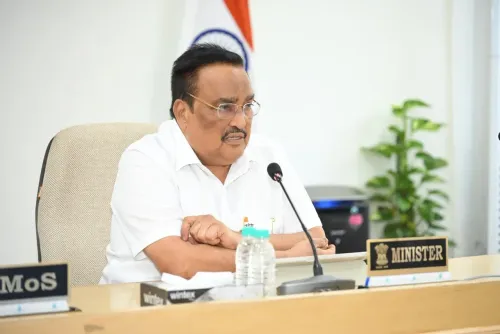
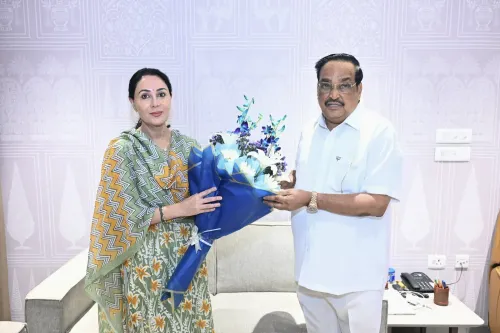
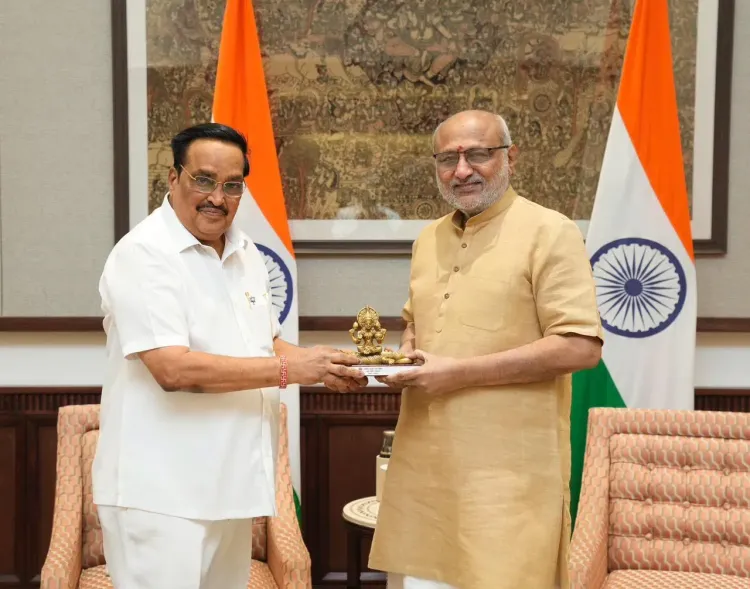
Union Jal Shakti Minister C. R. Paatil met Vice-President C. P. Radhakrishnan on 9 June 2026 to discuss water conservation, river interlinking, and sustainable management of India's water resources. MoS Dr. Rajbhushan Choudhary was also present at the meeting.
Key Takeaways
Union Jal Shakti Minister C.
Paatil called on Vice-President C.
Radhakrishnan on 9 June 2026 .
Discussions covered water conservation , river interlinking , and effective, inclusive, and sustainable water resource management.
Minister of State for Jal Shakti Dr.
Rajbhushan Choudhary was also present at the meeting.
The Ministry of Jal Shakti was formed in 2019 by merging two earlier ministries to consolidate water governance.
River interlinking has been a national policy goal since the National Perspective Plan drafted in the early 1980s .
Pending Detailed Project Reports (DPRs) for river-link corridors and budget allocations for water conservation remain key items to watch.
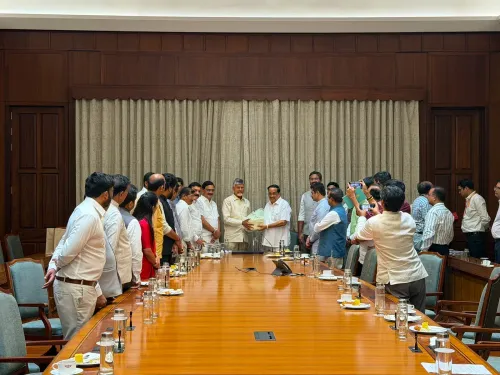
Union Jal Shakti Minister C. R. Paatil called on Vice-President C. P. Radhakrishnan on Tuesday, 9 June 2026, for a wide-ranging discussion on the Ministry of Jal Shakti's agenda, including water conservation, river interlinking, and the sustainable management of the country's water resources. Minister of State for Jal Shakti Dr. Rajbhushan Choudhary was also present at the meeting.
Context
Paatil shared news of the meeting on X (formerly Twitter), writing: 'आज माननीय उपराष्ट्रपति श्री सी. पी. राधाकृष्णन जी से भेंट करने का सौभाग्य प्राप्त हुआ' ['Today I had the privilege of meeting the honourable Vice-President Shri C. P. Radhakrishnan']. He added that discussions covered water conservation, river-linking initiatives, and effective, inclusive, and sustainable management of the nation's water resources.
The meeting reflects the constitutional practice of senior ministers briefing or consulting the Vice-President on subjects of national importance, particularly those that span centre-state responsibilities — as water does under the Indian Constitution's concurrent and state lists.
Policy Backdrop
The Ministry of Jal Shakti was created in May 2019 by merging the erstwhile ministries of Water Resources, River Development and Ganga Rejuvenation, and Drinking Water and Sanitation, consolidating India's fragmented water governance under a single roof. River interlinking has been a long-standing policy ambition: the National Water Development Agency (NWDA) prepared the National Perspective Plan for interlinking rivers as far back as the early 1980s.
The current administration has sought to accelerate select link projects alongside conservation campaigns. Pradhan Mantri Krishi Sinchayee Yojana, launched in 2015, remains a flagship instrument for expanding irrigation coverage and improving water-use efficiency at the farm level. Basin-level management and inter-basin water transfer are seen as critical tools to address the stark regional imbalances between water-surplus and water-deficit states.
Stakeholders and Impact
The constituencies most directly affected by Jal Shakti's agenda are farmers in water-stressed states and the tens of millions of households that depend on the ministry's drinking water programmes. River interlinking, if executed at scale, could alter the agricultural economics of deficit basins across peninsular and north-western India.
Inter-ministerial and centre-state coordination are persistent challenges: water is a concurrent subject, meaning both Parliament and state legislatures can legislate on it. High-level meetings of this nature help align political messaging and administrative priorities before key decision-making windows such as the Union Budget or NITI Aayog reviews.
What's Next
Policy watchers will look for movement on pending Detailed Project Reports (DPRs) for river-link corridors currently under review by the NWDA, as well as any supplementary budgetary allocations for water conservation in the coming months. The ministry's engagement at the Vice-Presidential level signals that water security is being positioned as a cross-institutional priority ahead of what is expected to be a demanding monsoon management season.
Point of View
Despite decades of discussion, remains mired in inter-state disputes and financing gaps, making top-level political alignment essential. By including Minister of State Dr. Rajbhushan Choudhary, the ministry is also projecting internal cohesion on a portfolio that spans drinking water, irrigation, and river development. The meeting fits a broader pattern of the current administration using high-level consultations to build momentum for large-scale infrastructure before key legislative and budgetary windows.
NationPress
24 Oct 2026
Frequently Asked Questions
Why did Jal Shakti Minister C. R. Paatil meet the Vice-President?
Paatil met Vice-President C. P. Radhakrishnan on 9 June 2026 to discuss key issues under the Jal Shakti Ministry, including water conservation, river interlinking, and sustainable water resource management.
What is India's river interlinking project?
India's river interlinking project, guided by the National Perspective Plan prepared in the early 1980s, aims to transfer water from surplus river basins to deficit ones through a network of canals and reservoirs to address regional water imbalances.
What does the Ministry of Jal Shakti do?
The Ministry of Jal Shakti, formed in May 2019, handles water resources, river development, Ganga rejuvenation, and drinking water and sanitation, consolidating India's water governance under a single ministry.
Who is Dr. Rajbhushan Choudhary?
Dr. Rajbhushan Choudhary is the Minister of State for Jal Shakti and was present alongside Minister C. R. Paatil at the meeting with the Vice-President on 9 June 2026.
What is Pradhan Mantri Krishi Sinchayee Yojana?
Pradhan Mantri Krishi Sinchayee Yojana, launched in 2015, is a flagship government scheme aimed at expanding irrigation coverage across India and promoting water-use efficiency at the farm level.