Jal Shakti Minister Paatil Reviews JJM, SBM Progress with Maharashtra CM
Synopsis
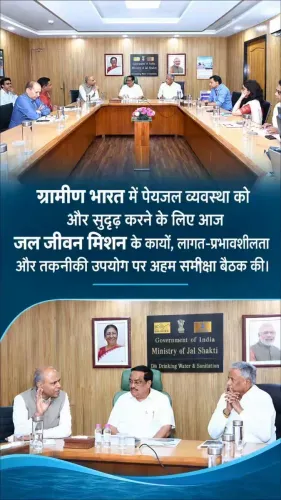
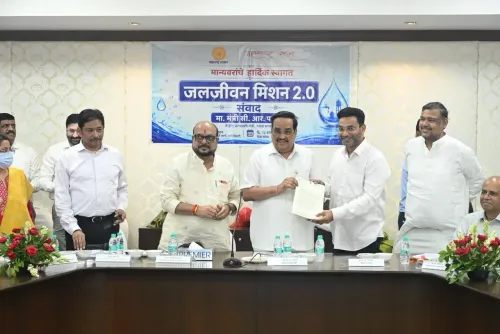
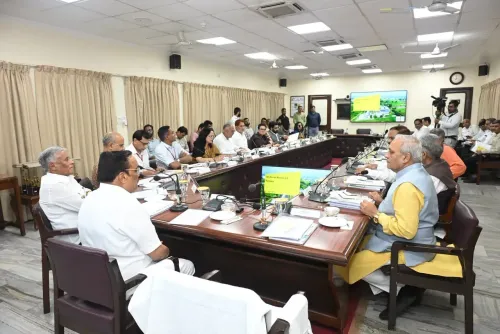
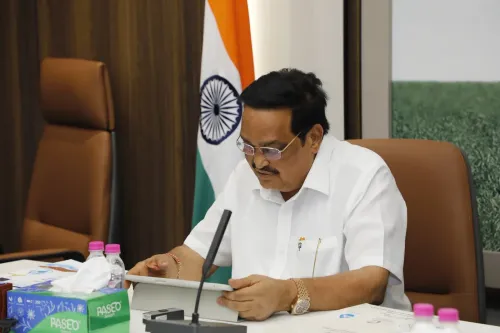
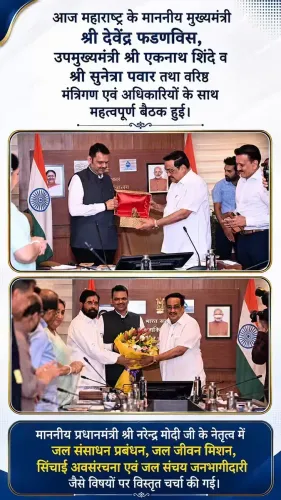
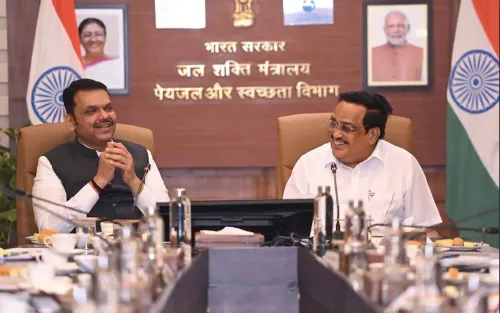
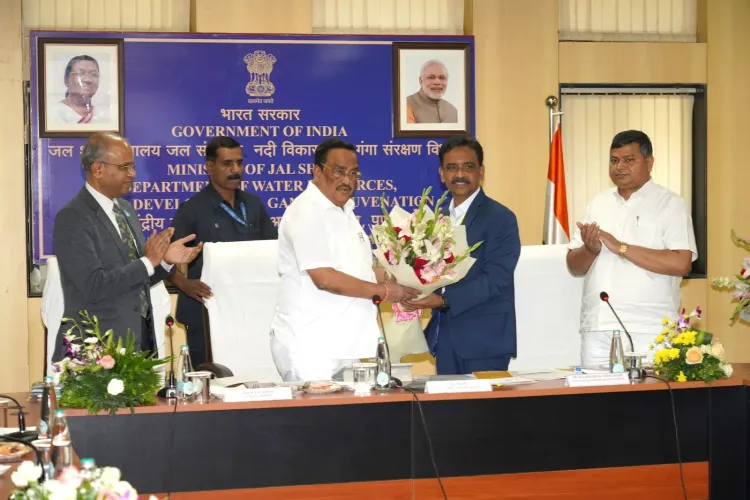
Union Jal Shakti Minister C. R. Paatil met Maharashtra CM Devendra Fadnavis in Pune on 19 November 2026 to review Jal Jeevan Mission, Swachh Bharat Mission (Gramin) and Jal Sanchay Jan Bhagidari, with all divisional commissioners, collectors, DFOs and municipal commissioners joining virtually.
Key Takeaways
Union Jal Shakti Minister C.
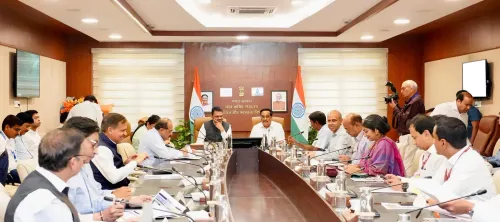
Paatil chaired a review meeting in Pune on 19 November 2026 with Maharashtra CM Devendra Fadnavis and state officials.
All divisional commissioners, district collectors, DFOs and municipal commissioners of Maharashtra attended virtually.
Three schemes were reviewed: Jal Jeevan Mission , Swachh Bharat Mission (Gramin) , and Jal Sanchay Jan Bhagidari .
Key directives included accelerating water-conservation works , mandatory portal entry of completed work, extending safe tap water to all rural families, and effective operation of village sanitation facilities .
The meeting reflects the Centre-state coordination model under the Jal Shakti Ministry , reorganised in 2019 to converge water resources and rural drinking water mandates.
Safe water for every rural home and clean villages by design — that is the shared target that brought Union Jal Shakti Minister C. R. Paatil to Pune on Thursday, 19 November 2026 for a high-level review of flagship central schemes with Maharashtra Chief Minister Devendra Fadnavis and senior state officials.
Who was in the room — and who joined virtually
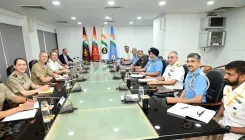
The review was anything but a small bilateral chat. All of Maharashtra's divisional commissioners, district collectors, district forest officers (DFOs) and municipal commissioners joined the meeting through video conferencing, ensuring the feedback loop stretched from the state secretariat down to the taluka level. The virtual format brought together a governance chain that rarely assembles in one conversation — from urban local bodies to forest department field officers — signalling that the Centre wants a full-stack read on scheme execution, not just headline numbers.
Three missions under the scanner
The session drilled into three central programmes: the Jal Sanchay Jan Bhagidari campaign on community-led water conservation, the Jal Jeevan Mission (JJM) on rural tap-water connections, and the Swachh Bharat Mission (Gramin) on village sanitation. Each represents a different layer of the same promise — that no rural household in India should fetch water from a distant source or lack a functional toilet.
Jal Jeevan Mission, launched in August 2019, set an ambitious goal: a functional household tap connection (FHTC) delivering safe drinking water to every one of India's roughly 190 million rural households. Swachh Bharat Mission, initiated in October 2014, extended into a Phase 2 focused on sustaining open-defecation-free (ODF) status and managing solid-liquid waste in villages. The Jal Sanchay Jan Bhagidari initiative adds the community mobilisation layer — pushing citizens and local bodies to build and protect water-harvesting structures.
Four action points Minister Paatil flagged
According to Paatil's post, the meeting zeroed in on four specific action points: accelerating water-conservation works on the ground; ensuring all completed work is logged on the designated portal for real-time tracking; delivering safe tap water to every rural family; and running sanitation facilities in villages effectively. The portal-entry push is a recurring theme in JJM governance — physical work that is not geo-tagged and uploaded effectively does not exist for monitoring purposes, and Maharashtra's sheer scale makes digital hygiene critical.
Centre and state framework under PM Modi
Paatil framed the coordination explicitly as a Centre-state partnership under the guidance of Prime Minister Narendra Modi, emphasising that water security and sanitation targets require both governments pulling in the same direction. Such structured review meetings have been a consistent feature of Jal Shakti Ministry operations since the ministry was carved out and reorganised in 2019, combining earlier mandates of water resources and drinking water under a single Union portfolio.
The Pune meeting is a data-collection and accountability exercise as much as a policy conversation. The numbers Maharashtra reports in coming weeks — updated JJM coverage figures, portal-entry compliance rates, ODF-Plus village counts — will show whether today's directives translate into measurable movement on the ground.
Point of View
The meeting carries added weight: the state's vast rural geography and the scale of pending JJM connections make it one of the most consequential implementation battlegrounds in the country. Paatil's explicit invocation of PM Modi's guidance also signals that water security and sanitation remain politically salient enough to warrant direct ministerial attention even years after scheme launches. The real test will be whether the portal-entry compliance directive produces cleaner data — or simply faster data entry.
NationPress
19 Nov 2026
Frequently Asked Questions
What is Jal Jeevan Mission and what is its goal?
Jal Jeevan Mission was launched in August 2019 to provide a functional household tap connection delivering safe drinking water to every rural household in India. The scheme aims to cover roughly 190 million rural homes across the country.
What was discussed at C. R. Paatil's review meeting in Pune?
Union Jal Shakti Minister C. R. Paatil met Maharashtra CM Devendra Fadnavis on 19 November 2026 to review progress on Jal Jeevan Mission, Swachh Bharat Mission (Gramin) and Jal Sanchay Jan Bhagidari, focusing on accelerating works, portal data entry, rural tap-water coverage and village sanitation.
What is Jal Sanchay Jan Bhagidari?
Jal Sanchay Jan Bhagidari is a water-conservation campaign under the Jal Shakti Ministry that promotes public participation in building and maintaining water-harvesting structures at the community level.
What is Swachh Bharat Mission Gramin Phase 2 about?
Phase 2 of Swachh Bharat Mission (Gramin) focuses on sustaining open-defecation-free status achieved in Phase 1 and managing solid-liquid waste effectively in rural villages, going beyond the construction of toilets to their continued use and maintenance.
Why do central ministers hold review meetings with state governments on these schemes?
Since these are centrally sponsored schemes where funds flow from the Union government to states, the Jal Shakti Ministry holds regular review meetings to track physical and financial progress, ensure portal-based monitoring compliance and resolve implementation bottlenecks at the district and sub-district level.