CM Fadnavis Chairs Jal Jeevan Mission Review in New Delhi
Synopsis
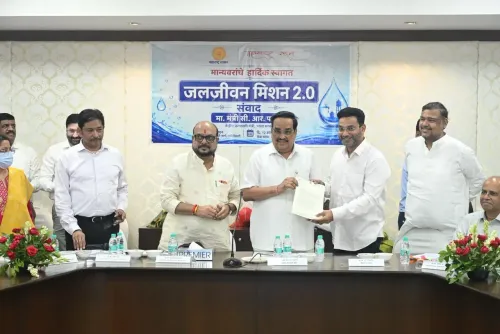
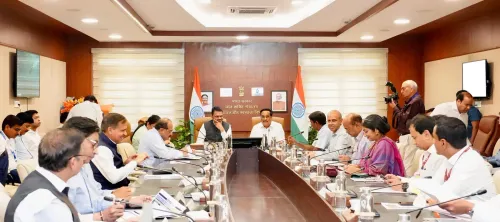
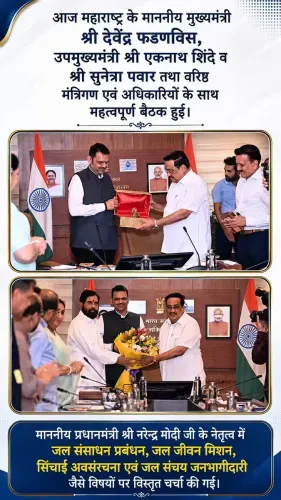
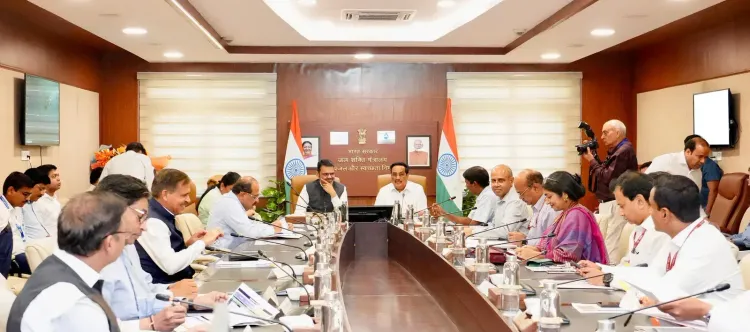
Chief Minister Devendra Fadnavis chaired a review of Maharashtra's Water Resources Department and Jal Jeevan Mission in New Delhi on 27 May 2026, joined by Union Minister C R Paatil, two Deputy CMs, and three state cabinet ministers to assess progress on rural tap water connectivity.
Key Takeaways
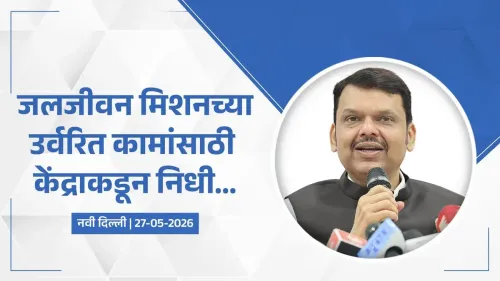
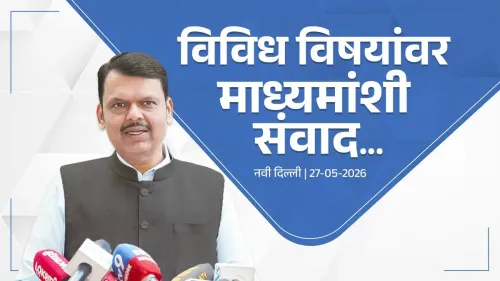
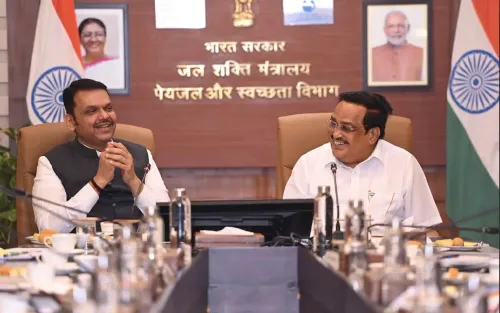
CM Devendra Fadnavis chaired the review meeting of the State Water Resources Department and Jal Jeevan Mission on 27 May 2026 in New Delhi .
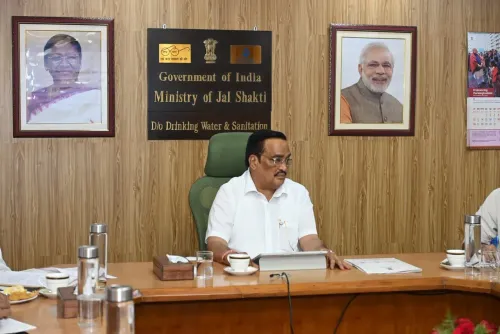
Union Minister C R Paatil was the senior central government representative at the joint review.
Deputy CMs Eknath Shinde and Sunetra Ajit Pawar and three state cabinet ministers attended, indicating a high-level state delegation.
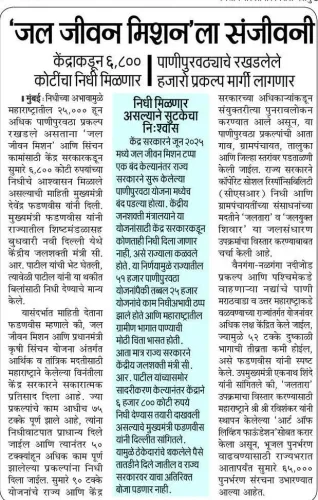
The Jal Jeevan Mission , launched in 2019 , aims to provide functional household tap connections to all rural households in India.
The meeting's New Delhi venue signals direct coordination with the Union Jal Shakti Ministry, which administers the centrally sponsored scheme.
Outcomes are expected to feed into quarterly progress reports tracking Maharashtra's district-wise tap water coverage.
The Chief Minister's Office of Maharashtra announced on Wednesday, 27 May 2026 that Chief Minister Devendra Fadnavis chaired a high-level review meeting of the State Water Resources Department and the Jal Jeevan Mission in New Delhi, held at 2:00 PM with Union Minister C R Paatil as the senior central government representative.
Context
The meeting brought together Maharashtra's top executive leadership and the Union government's nodal minister for water supply under one roof. Deputy Chief Minister Eknath Shinde, Deputy Chief Minister Sunetra Ajit Pawar, Minister Girish Mahajan, Minister Radhakrishna Vikhe Patil, Minister Gulabrao Patil, and senior officials from the state were all present. The joint central-state format signals a formal progress audit rather than a routine departmental briefing.
The official post, shared in English, Marathi, and Hindi, described the gathering as a aadhaava baithak — a 'review meeting' — underscoring its monitoring character. Holding the session in New Delhi rather than Mumbai reflects the meeting's coordination with the Union Jal Shakti Ministry, under which Jal Jeevan Mission is administered.
Policy Backdrop
The Jal Jeevan Mission was launched by the Government of India in 2019 with the stated goal of providing a functional household tap connection to every rural home in the country. The programme is centrally sponsored, meaning both the Union and state governments share funding responsibilities and implementation duties. Maharashtra has been a participant since the mission's inception, running the scheme alongside its own state-level irrigation and drinking water initiatives managed by the State Water Resources Department.
Review meetings of this kind typically examine physical progress on tap connections, fund utilisation rates, and coverage gaps across districts. With the mission's nationwide targets under continued scrutiny, states like Maharashtra face pressure to close gaps in lagging talukas and ensure water quality compliance at the household level.
Stakeholders and Impact
The primary beneficiaries of the mission are rural households across Maharashtra — particularly women and children who bear the burden of water collection in under-served villages. Progress on tap connections directly affects daily labour hours, public health outcomes, and agricultural productivity in water-stressed districts.
Farmers and state water officials are also key stakeholders, as the State Water Resources Department oversees irrigation infrastructure whose planning often intersects with drinking water supply priorities. The presence of multiple cabinet ministers suggests that inter-departmental coordination — covering irrigation, rural development, and water supply — was on the agenda.
What's Next
The next visible milestone will be the quarterly progress report on tap water connections achieved under Jal Jeevan Mission in Maharashtra, which typically feeds into Union government dashboards tracking state-wise coverage. Any follow-up budget allocations, project approvals, or district-specific targets announced by the state government in the coming weeks would indicate the concrete outcomes of today's review. Observers will also watch whether the meeting produces directives on accelerating work in districts that currently lag the state average on functional household tap connections.
Point of View
If any, would land ahead of the next budget cycle, making the timing politically deliberate.
NationPress
19 Sept 2026
Frequently Asked Questions
What was the Jal Jeevan Mission review meeting in New Delhi about?
The meeting, chaired by Maharashtra CM Devendra Fadnavis on 27 May 2026, was a joint central-state review of the Jal Jeevan Mission and Maharashtra's Water Resources Department, focused on assessing progress in rural tap water connectivity across the state.
Who attended the Maharashtra Jal Jeevan Mission review meeting?
Union Minister C R Paatil, Deputy CMs Eknath Shinde and Sunetra Ajit Pawar, and Ministers Girish Mahajan, Radhakrishna Vikhe Patil, and Gulabrao Patil attended alongside senior state officials.
What is the Jal Jeevan Mission?
Jal Jeevan Mission is a centrally sponsored scheme launched by the Government of India in 2019 to provide a functional household tap water connection to every rural household in the country.
Why was the Maharashtra water review meeting held in New Delhi?
Holding the meeting in New Delhi facilitated direct coordination with the Union Jal Shakti Ministry, which administers the Jal Jeevan Mission at the national level and monitors state-wise implementation progress.
What happens after the Jal Jeevan Mission review meeting?
The next expected step is a quarterly progress report on tap water connections in Maharashtra, which feeds into Union government tracking dashboards; follow-up budget or project announcements from the state government are also possible.