CM Fadnavis: Centre to Fund Jal Jeevan Mission Pending Works

Synopsis
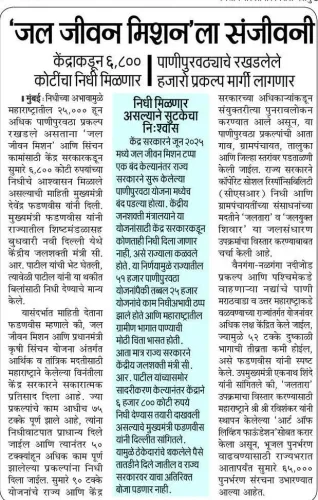
Maharashtra CM Devendra Fadnavis announced from New Delhi on 27 May 2026 that the Central government will fund Jal Jeevan Mission's pending works, signalling a fresh push to complete rural tap water connections across the state.
Key Takeaways
CM Devendra Fadnavis announced on 27 May 2026 from New Delhi that the Centre will fund Jal Jeevan Mission pending works in Maharashtra.
The announcement was made in both Marathi and Hindi , addressing state and national audiences simultaneously.
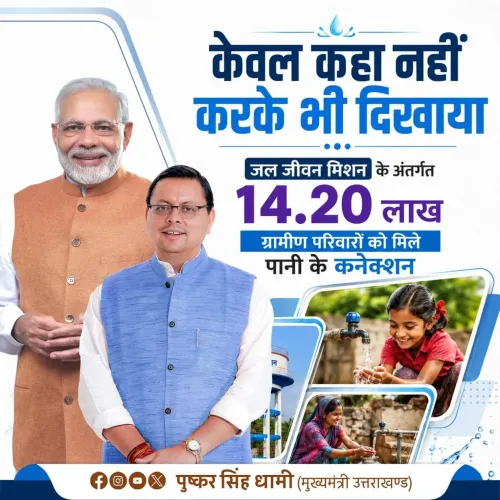
Jal Jeevan Mission was launched in August 2019 to provide functional household tap water connections to all rural homes in India.
The scheme operates on a Centre-state cost-sharing model , with tranches linked to verified physical progress.
Primary beneficiaries are rural households in Maharashtra yet to receive tap water connections, with particular impact on women and children.
Progress will be tracked through quarterly reports on pending connections and subsequent Central budget allocations for the mission.
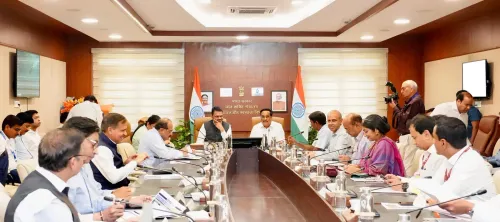
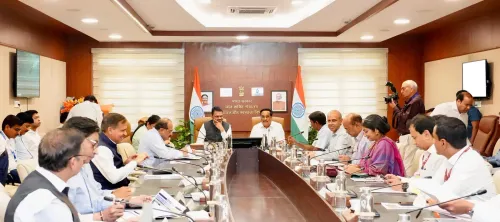
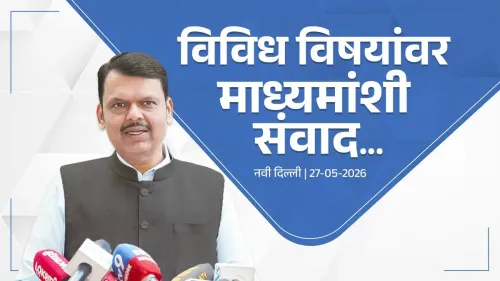
Maharashtra Chief Minister Devendra Fadnavis announced on Wednesday, 27 May 2026, from New Delhi, that the Central government will provide funding for the Jal Jeevan Mission, enabling completion of the scheme's remaining works in the state.
Context
Posting on X, Fadnavis stated — in both Marathi and Hindi — 'जलजीवन मिशनसाठी केंद्र सरकार निधी देणार असून, यामुळे उर्वरित कामे पूर्ण होतील' ('The Central government will provide funds for Jal Jeevan Mission, which will enable the remaining works to be completed'). The post, tagged #NewDelhi and #JalJeevanMission, was made during what appears to be a visit to the national capital, where central scheme reviews and funding decisions are routinely finalised.
The bilingual announcement — in both Marathi and Hindi — signals that Fadnavis was addressing both his home state constituency and a broader national audience, underlining the shared Centre-state character of the mission.
Policy Backdrop
The Jal Jeevan Mission was launched by the Government of India in August 2019 with the goal of providing a functional household tap water connection (FHTC) to every rural home across the country. The scheme operates on a cost-sharing model between the Centre and state governments, with periodic funding tranches tied to verified physical progress on tap connections.
Maharashtra, like other large states, has been executing the mission across its rural districts in successive phases. Pending works — those where infrastructure is partially complete or yet to begin — have been a consistent challenge in several states, often linked to the pace of fund disbursement from the Centre. The CM's statement directly addresses this bottleneck, indicating that a fresh tranche or renewed funding commitment is in the pipeline.
Stakeholders and Impact
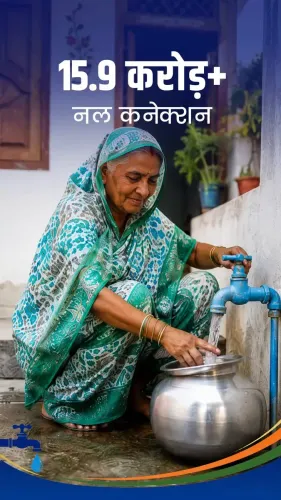
The primary beneficiaries of accelerated Jal Jeevan Mission funding are rural households in Maharashtra that are yet to receive a functional tap water connection. For these communities — often in remote or water-stressed regions — a tap connection represents a fundamental shift in daily life, reducing the burden of water collection that falls disproportionately on women and children.
State-level implementing agencies, gram panchayats, and contractors engaged in pipeline and infrastructure work are also direct stakeholders, as pending Central funds directly determine their ability to resume or complete stalled projects. The announcement is also significant for Maharashtra's rural development bureaucracy, which must now accelerate utilisation to qualify for subsequent tranches.
What's Next
The key milestones to watch are the formal release of the Central funding tranche, the state government's utilisation timeline, and quarterly progress reports on the number of pending rural tap connections in Maharashtra. Subsequent Union Budget allocations for the Jal Jeevan Mission will also signal whether the Centre is sustaining its financial commitment to the scheme's final-mile completion. CM Fadnavis's public statement from New Delhi sets an expectation of accountability — both for the Centre to release funds and for the state machinery to deliver on the ground.
Point of View
Lending it greater political weight ahead of any state-level accountability questions on mission delays. The bilingual post reinforces the BJP's dual-audience communication strategy, simultaneously reassuring Maharashtra's rural voters and positioning the party nationally as the deliverer of flagship welfare infrastructure. The statement fits a broader pattern of state BJP leaders publicly extracting and publicising Central funding commitments, which serves both as governance signalling and electoral messaging. Whether the announcement translates into measurable on-ground progress will depend on the pace of fund release and the state's utilisation capacity — the persistent weak link in large-scale infrastructure missions.
NationPress
10 Oct 2026
Frequently Asked Questions
What did CM Devendra Fadnavis announce about Jal Jeevan Mission?
CM Devendra Fadnavis announced on 27 May 2026 that the Central government will provide funding for the Jal Jeevan Mission, enabling completion of the scheme's remaining works in Maharashtra.
What is Jal Jeevan Mission and when was it launched?
Jal Jeevan Mission is a Central government scheme launched in August 2019 to provide a functional household tap water connection to every rural home in India. It operates on a cost-sharing model between the Centre and state governments.
Who benefits from Jal Jeevan Mission funding in Maharashtra?
Rural households in Maharashtra that are yet to receive a functional tap water connection are the primary beneficiaries, along with gram panchayats, state implementing agencies, and contractors working on pending infrastructure projects.
Why are Jal Jeevan Mission works still pending in Maharashtra?
Pending works in Maharashtra and other states have often been linked to the pace of Central fund disbursement, as tranches are released based on verified physical progress, creating gaps when reviews or approvals are delayed.
What should we watch for after Fadnavis's Jal Jeevan Mission announcement?
Key developments to track include the formal release of the Central funding tranche, Maharashtra's utilisation timeline, quarterly progress reports on pending rural tap connections, and future Union Budget allocations for the mission.