Cuba slams 'cynical' US military threat after six decades of embargo
Synopsis
Cuba's top diplomat has fired back at Washington after President Trump openly floated military action against the island nation — even threatening to park an aircraft carrier 100 yards off its coast. Havana calls it the height of hypocrisy: the US threatening to 'liberate' a country it has spent six decades trying to economically devastate.
Key Takeaways
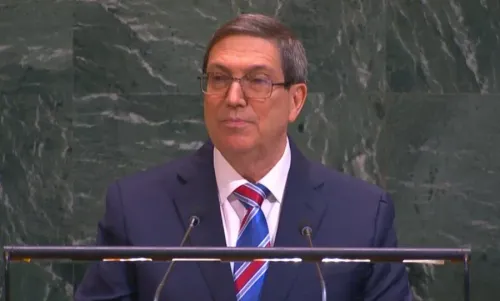
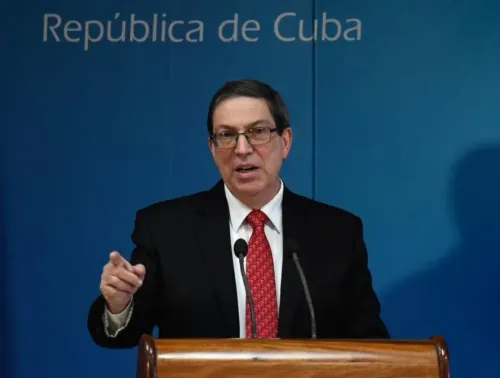
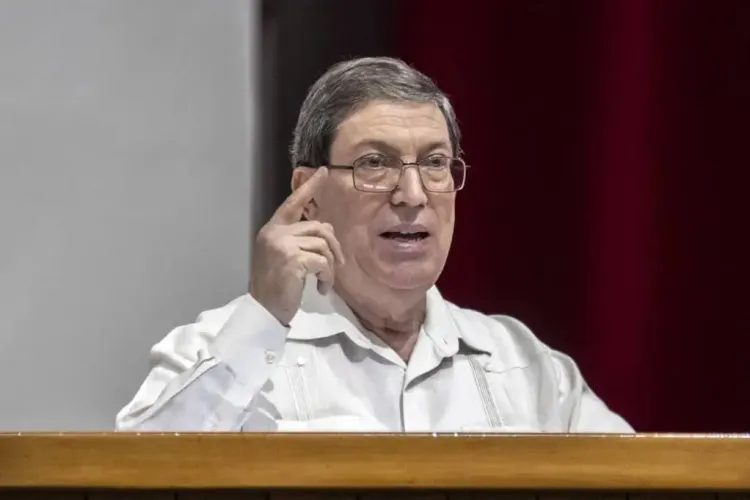
Cuban Foreign Minister Bruno Rodriguez on 6 May 2025 called US military threats against Cuba "cynical and hypocritical." President Donald Trump said the US would take control of Cuba "almost immediately" after concluding Middle East engagements, according to Xinhua .
Trump reportedly threatened to position aircraft carrier USS Abraham Lincoln 100 yards off Cuba's coast.
Rodriguez described recent US executive orders as intensifying a "genocidal" blockade and labelled military threats "international crimes." Cuban President Miguel Diaz-Canel vowed Cuba would never surrender, urging the international community to reject what he called a criminal act.
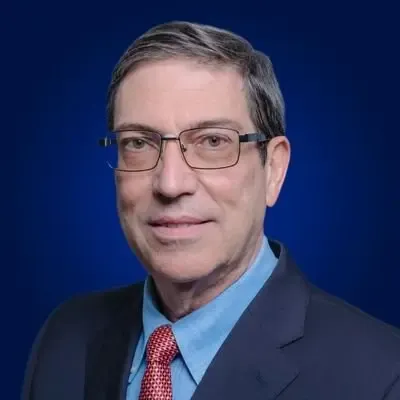
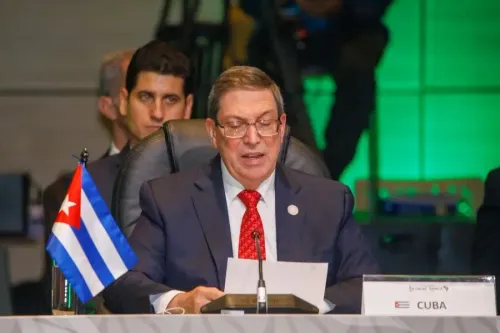
Cuban Foreign Minister Bruno Rodriguez on Tuesday, 6 May 2025, denounced as "cynical and hypocritical" the United States' threat to use military force to "liberate" Cuba, calling it an affront after more than six decades of economic, commercial, and financial embargo imposed by Washington. The remarks came in direct response to statements by US President Donald Trump, who had suggested American forces could move on Cuba after concluding engagements in the Middle East.
Rodriguez's Rebuke on X
"The US government insists in hinting at a military action against Cuba because 'the country is devastated... and it would be an honor to liberate it,'" Rodriguez wrote on X. He argued that Washington bore direct responsibility for that devastation through its own economic war. "The cynical and hypocritical thing about it is that the US has spent decades trying to devastate the country with an economic war," he added.
Rodriguez further alleged that the current US administration had intensified the blockade in recent months through what he described as "genocidal" executive orders. He characterised the economic blockade, energy siege, extraterritorial coercive measures, and any military threat as "international crimes."
Trump's Remarks That Triggered the Response
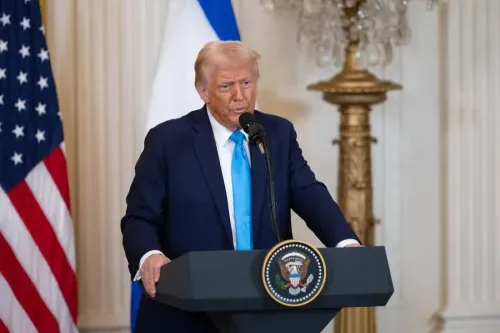
Speaking at a recent event in Palm Beach, Florida, President Donald Trump said the United States would take control of Cuba "almost immediately" after "finishing a job" — a reference to the ongoing conflict with Iran in the Middle East, according to Xinhua news agency. Trump also reportedly threatened to position the aircraft carrier USS Abraham Lincoln approximately 100 yards off Cuba's coast upon its return from the region.
Diaz-Canel's Defiant Stand
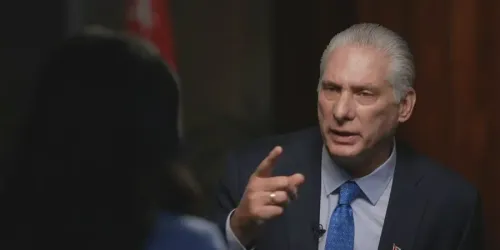
Cuban President Miguel Diaz-Canel on Saturday urged the international community and the American public to reject what he described as a criminal act serving the interests of "a small but wealthy and influential group" seeking revenge and domination. "No aggressor, however powerful, will find surrender in Cuba," Diaz-Canel wrote on X. "They will encounter a people determined to defend sovereignty and independence in every inch of national territory."
Broader Context and What's Next
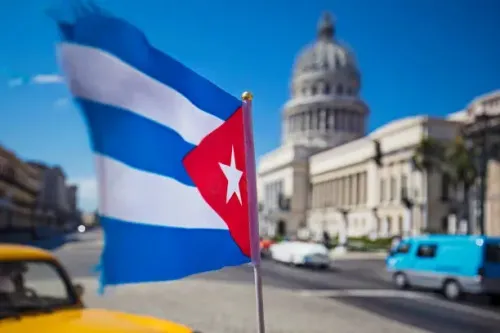
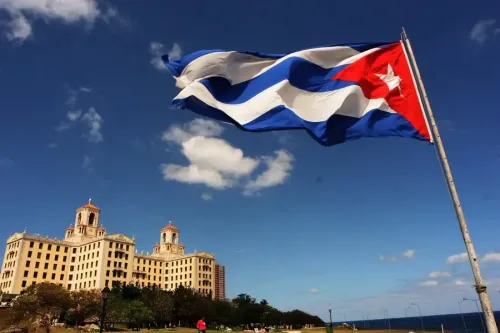
This comes amid a long-running standoff between Washington and Havana that has defined Caribbean geopolitics for over six decades. The US embargo on Cuba, first imposed in the early 1960s, remains one of the longest-running economic blockades in modern history. Cuba has consistently framed the embargo as the primary cause of its economic difficulties, while successive US administrations have maintained it as leverage for political reform. Notably, the Trump administration's reported escalation through new executive orders marks a sharper turn from the limited thaw seen during the Obama era. The international community, including the United Nations, has repeatedly voted to condemn the embargo. How Washington responds to Havana's pushback — and whether the USS Abraham Lincoln's deployment materialises — will be closely watched in the coming weeks.
Point of View
But Havana is treating them as a serious escalation — and with reason. The deployment threat involving the USS Abraham Lincoln, however loosely framed, represents the most explicit military signal from Washington toward Cuba in years. What is often missed in Western coverage is that the embargo's human cost gives Havana genuine moral authority in framing this as hypocrisy: the US cannot credibly position itself as a liberator of a country whose economic distress it has actively engineered. The harder question is whether this is pre-election posturing for Florida's Cuban-American constituency or a genuine foreign policy pivot — the answer will determine whether the Caribbean faces its tensest moment since the 1962 missile crisis.
NationPress
23 Sept 2026
Frequently Asked Questions
Why did Cuba's Foreign Minister condemn the US this week?
Cuban Foreign Minister Bruno Rodriguez condemned the United States on 6 May 2025 after President Trump suggested the US could take control of Cuba militarily after concluding its Middle East engagements. Rodriguez called the threat 'cynical and hypocritical' given over six decades of US economic embargo against the island.
What did Trump say about Cuba?
Speaking at an event in Palm Beach, Florida, President Donald Trump said the US would take control of Cuba 'almost immediately' after 'finishing a job' in the Middle East, according to Xinhua news agency. He also threatened to position the aircraft carrier USS Abraham Lincoln approximately 100 yards off Cuba's coast.
How has Cuba responded to the US military threat?
Both Foreign Minister Bruno Rodriguez and President Miguel Diaz-Canel have publicly rejected the threats. Diaz-Canel vowed on X that 'no aggressor, however powerful, will find surrender in Cuba,' while Rodriguez labelled military threats and the economic blockade international crimes.
What is the US embargo on Cuba?
The US embargo on Cuba is an economic, commercial, and financial blockade first imposed in the early 1960s, making it one of the longest-running in modern history. Cuba attributes much of its economic hardship to the embargo, while Washington has maintained it as pressure for political reform.
What has the current US administration done regarding Cuba recently?
According to Rodriguez, the current Trump administration has intensified the blockade in recent months through new executive orders that Cuba has described as 'genocidal.' These measures reportedly include extraterritorial coercive steps beyond the existing embargo framework.