Trump threatens military action against Cuba; Diaz-Canel vows resistance
Synopsis
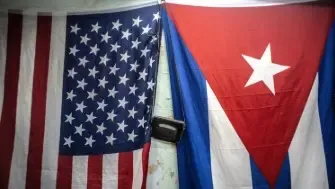
Donald Trump's suggestion that he could send the USS Abraham Lincoln to within 100 yards of Cuba's coast — timed alongside fresh executive-order sanctions — has pushed US-Cuba tensions to levels not seen in years. Havana is hitting back hard, with Diaz-Canel calling it an unprecedented criminal escalation and Rodriguez invoking the UN Charter.
Key Takeaways
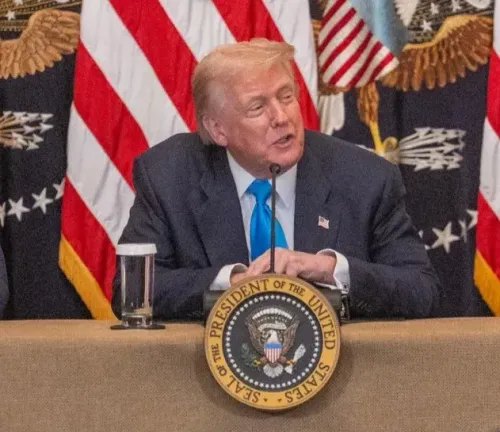
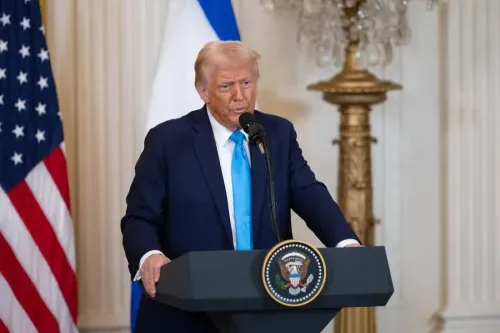
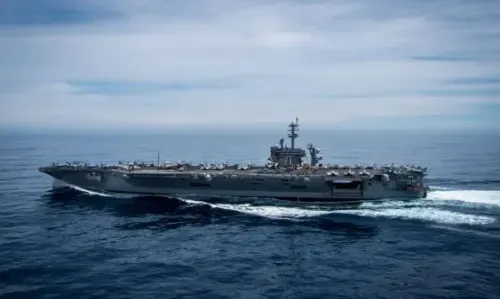
US President Donald Trump suggested taking control of Cuba "almost immediately" and deploying the USS Abraham Lincoln approximately 100 yards off Cuba's coast.
Cuban President Miguel Diaz-Canel called the threats "dangerous and unprecedented" and vowed Cuba would not surrender to any aggressor.
Cuban Foreign Minister Bruno Rodriguez said Trump's remarks raised aggression against Cuba to dangerous levels and violated the UN Charter .
Trump signed an executive order on 2 May 2025 imposing new sanctions, blocking designated persons' assets within US jurisdiction.
Cuba denounced the sanctions as "unilateral coercive measures" amounting to collective punishment of the Cuban people.
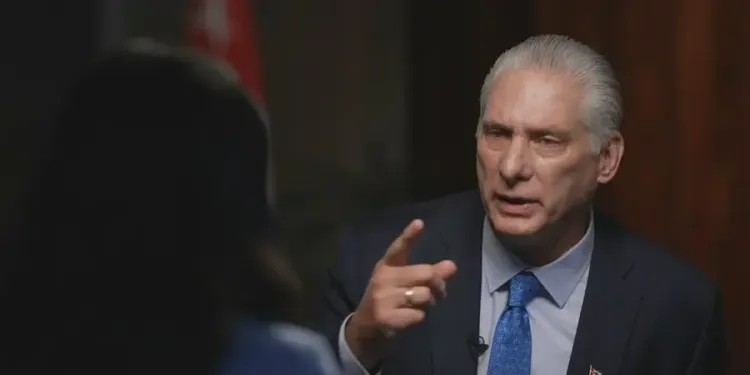
Cuban President Miguel Diaz-Canel on 3 May 2025 denounced what he described as an unprecedented escalation of US military threats, after US President Donald Trump suggested Washington could take control of Cuba "almost immediately" and deploy an aircraft carrier off the island's coast. The remarks have sharply heightened tensions between Washington and Havana.
What Trump Said
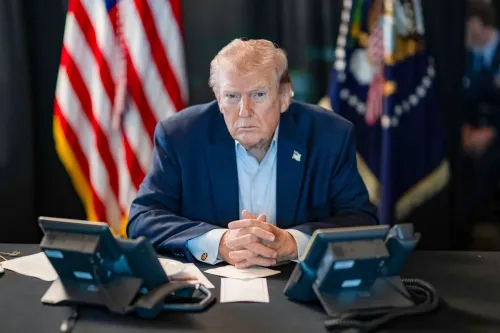
Speaking at an event in Palm Beach, Florida, Trump said the United States would take control of Cuba "almost immediately" after "finishing a job" — a reference to the ongoing US conflict with Iran in the Middle East. He added that he "could" send the aircraft carrier USS Abraham Lincoln to the Caribbean and have it stop approximately 100 yards off Cuba's coast "on the way back from Iran." The remarks were widely interpreted in Havana as a direct military threat.
Cuba's Response
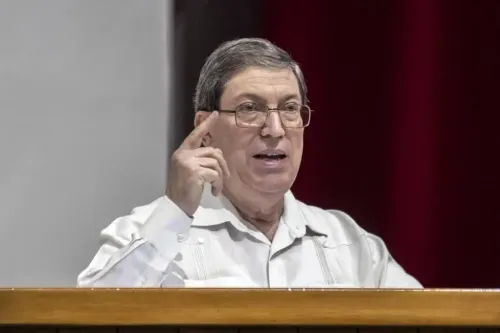
"The US president escalates his threats of military aggression against Cuba to a dangerous and unprecedented scale," Diaz-Canel wrote on X, calling on the international community and the American people to decide whether they would permit "such a drastic criminal act" to serve the interests of what he described as a small but wealthy and influential group seeking revenge and domination. He stated that no aggressor, "no matter how powerful," would find surrender in Cuba, but rather "a people determined to defend sovereignty and independence."
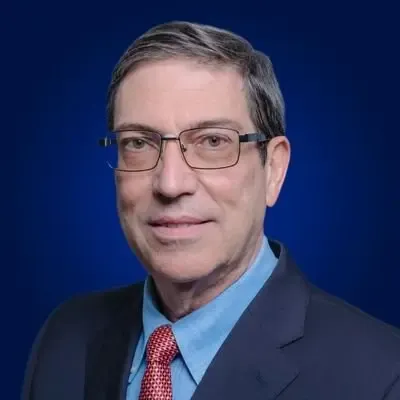
Cuban Foreign Minister Bruno Rodriguez also posted on X the same day, stating that Trump's "clear and direct" threat of a military attack had raised aggression against Cuba to dangerous levels. Rodriguez noted that popular support for the Cuban Revolution was demonstrated "massively" during May Day celebrations on Friday, 2 May.
New US Sanctions
The military rhetoric came alongside fresh economic pressure. US President Trump on Friday signed an executive order imposing new sanctions on Cuba, blocking all property and interests in property of designated persons within US jurisdiction or in the possession of US persons from being transferred, paid, exported, withdrawn, or otherwise dealt in. Cuba denounced the measures as "unilateral coercive measures," with Foreign Minister Rodriguez stating they demonstrate "an intention to impose collective punishment on the Cuban people."
Rodriguez further argued that the sanctions are "extraterritorial in nature and violate the United Nations Charter," asserting that the United States has no right to impose such measures against Cuba or against third countries and parties. He noted that the announcement coincided with 1 May, when, according to Cuban authorities, millions of Cubans took to the streets to denounce the US blockade and what Havana calls an energy siege.
Broader Context and What Comes Next
This is not the first time US-Cuba tensions have flared under Trump's presidency, but the explicit reference to a named aircraft carrier and a specific geographic proximity marks a notable escalation in tone. The Trump administration has pursued a policy of maximum pressure on Havana, including tightening the decades-old trade embargo and adding Cuba to the US State Sponsors of Terrorism list. Analysts will be watching whether Washington follows through with any naval movement or whether the remarks remain rhetorical pressure ahead of broader Middle East-focused foreign policy moves. The international community, including the United Nations, is yet to formally respond to the latest exchange.
Point of View
Citing a distance, linking Cuba to the Iran operation. That level of detail, whether rhetorical or operational, is a departure from standard diplomatic signalling and hands Havana a propaganda gift at a moment when May Day crowds were already on the streets denouncing the blockade. The simultaneous sanctions order suggests a coordinated pressure campaign, not an off-the-cuff remark. The risk is escalation without a clear off-ramp: Cuba has no incentive to back down publicly, and Washington under Trump rarely de-escalates quietly. The international community's silence so far is conspicuous.
NationPress
18 Sept 2026
Frequently Asked Questions
What did Trump say about Cuba?
Speaking in Palm Beach, Florida, Trump said the US would take control of Cuba 'almost immediately' after concluding its engagement with Iran, and suggested he could deploy the USS Abraham Lincoln to within 100 yards of Cuba's coast on its way back from the region.
How did Cuba respond to Trump's military threats?
Cuban President Miguel Diaz-Canel denounced the remarks as an unprecedented escalation of military aggression on X, vowing that Cuba would not surrender. Foreign Minister Bruno Rodriguez also condemned the threat as raising aggression to dangerous levels.
What new sanctions did Trump impose on Cuba?
Trump signed an executive order on 2 May 2025 blocking all property and interests in property of designated persons within US jurisdiction from being transferred, paid, exported, or otherwise dealt in. Cuba called the measures 'unilateral coercive measures' that amount to collective punishment.
Why does Cuba say the sanctions violate international law?
Cuban Foreign Minister Bruno Rodriguez argued the sanctions are extraterritorial in nature and violate the United Nations Charter, asserting the US has no right to impose measures against Cuba or against third countries and parties.
What is the broader context of US-Cuba tensions?
The Trump administration has pursued a maximum-pressure policy on Havana, including tightening the trade embargo and listing Cuba as a State Sponsor of Terrorism. The latest military rhetoric and sanctions mark a notable escalation beyond previous rounds of economic pressure.